
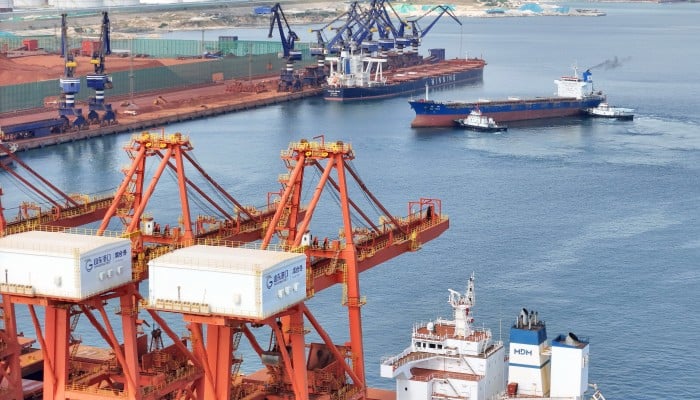

Africa’s trade deficit with China widened by 34.48% year-on-year to $80.07 billion in the first eight months of 2026, as Chinese exports to the continent grew faster than African shipments to the Chinese market.
Data from China’s General Administration of Customs showed that two-way trade between China and Africa reached $273.94 billion between January and August, up 23.3% from the same period last year.
Chinese exports to African markets rose 25.8% to $177 billion, while imports from Africa increased 19% to $96.93 billion during the period.
The numbers highlight the persistent imbalance in the structure of Africa-China trade, with African exports remaining concentrated largely in minerals, hydrocarbons and agricultural commodities, while Chinese shipments to Africa include machinery, equipment, electronics and other manfactured products.
Tariff access fails to close trade gap
The widening deficit comes despite China’s expansion of duty-free access for African exports.
On May 1, 2026, China extended its zero-tariff treatment to 20 African countries that are not classified as least developed countries, complementing an earlier arrangement covering 33 African least developed countries.
However, tariff-free access alone may not be sufficient to significantly alter the composition of African exports, as many economies continue to face constraints in processing raw materials and producing higher-value goods.
The African Export-Import Bank (Afreximbank) has emphasized the need to develop regional value chains, expand local processing and improve transport and logistics infrastructure to enable African exporters to capture a greater share of the value generated from trade with China.
The bank has also highlighted the importance of infrastructure such as rail links, dry ports and storage facilities, alongside stronger trade-finance mechanisms, to support African exporters.
China-Africa trade expands
Despite the widening deficit, African exports to China recorded double-digit growth during the first eight months of the year.
The increase was supported in part by Chinese demand for raw materials, particularly minerals and energy products, according to reports citing the customs data.
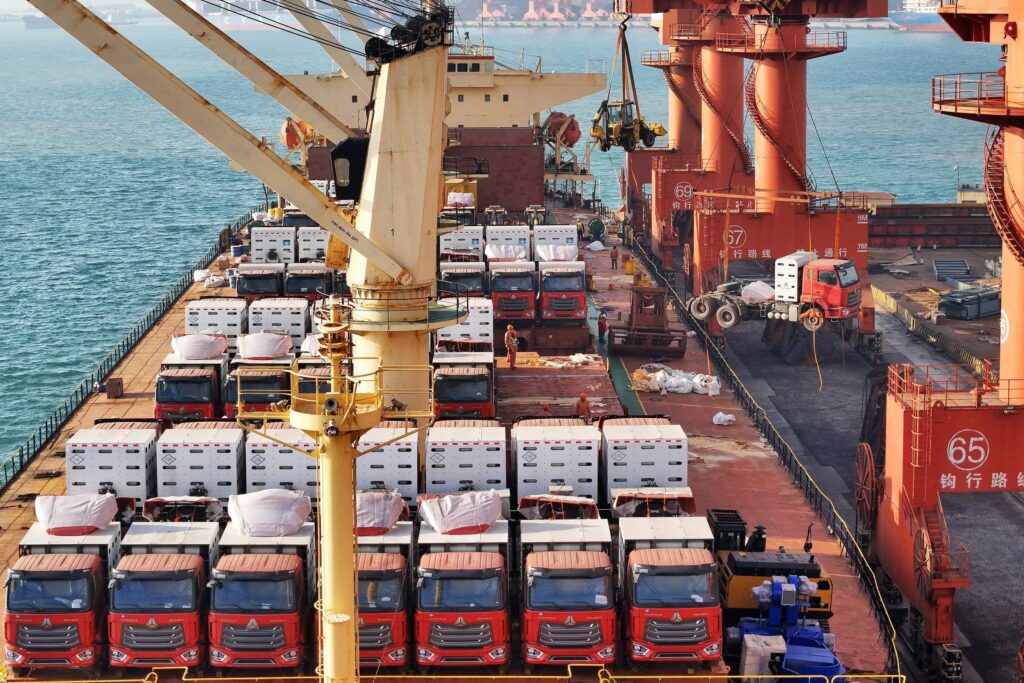
At the same time, Chinese exports to Africa expanded at a faster pace, contributing to the larger trade gap.
The development comes as African countries seek to strengthen their industrial capacity and move beyond the export of unprocessed commodities. Increasing domestic processing and manufacturing could allow African economies to retain more value from their natural resources while expanding the range of products they can sell to international markets.


