
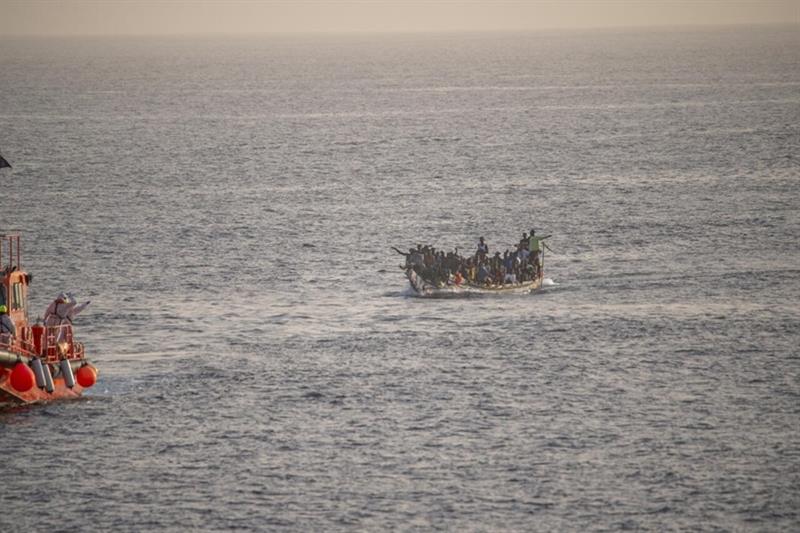

A tragic maritime disaster claimed the lives of at least 69 migrants, including 25 Malian nationals, after an overcrowded boat bound for Spain capsized off the Moroccan coast on December 19. This incident adds to the mounting death toll along the perilous Atlantic migration route, underscoring the dire risks faced by migrants seeking better lives in Europe.
The ill-fated vessel, reportedly carrying around 80 people, sank while attempting to cross the Atlantic. Only 11 survivors were rescued, Mali’s Ministry of Malians Abroad confirmed in a statement issued on Thursday. The ministry expressed condolences to the victims’ families and announced the establishment of a crisis unit to monitor developments and provide assistance to affected communities.
The Atlantic Route: A Deadly Migration Corridor
The route taken by the boat has long been recognized as one of the most dangerous migration pathways in the world. Spanning the Atlantic Ocean from West Africa, through Mauritania and Morocco, to the Canary Islands, the journey is fraught with challenges, including unpredictable weather, strong currents, and inadequate vessels. Despite the well-documented dangers, the route continues to attract thousands of migrants each year, many of whom see it as their only hope for escaping dire conditions at home.
According to human rights organizations, the Atlantic migration route has seen a sharp increase in traffic over the past few years. In 2024 alone, nearly 5,000 migrants lost their lives at sea while attempting to reach Spain’s Canary Islands in just the first five months, according to the advocacy group Walking Borders. The staggering death toll reflects the increasing desperation among migrants and the inability of current policies to address the root causes of irregular migration.
Why Migrants Risk Their Lives
The factors driving migration along this deadly route are multifaceted. In Mali and other parts of the Sahel region, prolonged political instability and armed conflicts have created a humanitarian crisis, leaving millions displaced and struggling to survive. The collapse of local economies, exacerbated by widespread unemployment, has pushed many to seek opportunities abroad.
In addition, climate change has significantly impacted agricultural communities in the region, with erratic weather patterns and desertification reducing crop yields and threatening food security. For many, migration becomes a last resort as they grapple with the dual pressures of conflict and environmental degradation.
Mali, a landlocked country heavily reliant on remittances from its diaspora, has been particularly affected. Families often pool their resources to fund the dangerous journey for one or more relatives, hoping for economic relief if they reach Europe. Tragically, these aspirations often end in disaster, as was the case with the recent capsizing.
The International Response
The Moroccan coast has become a hotspot for such tragedies, as it serves as a departure point for many boats attempting the journey. Despite increased patrols and tighter border controls by European and North African authorities, the flow of migrants has not slowed. Critics argue that these measures do little to address the underlying causes of migration and may inadvertently push migrants to take even riskier routes.
International organizations have repeatedly called for a coordinated response to the crisis. Advocacy groups emphasize the need for safer, legal migration pathways and greater investment in the development of the migrants’ home countries. Walking Borders and other rights organizations have urged governments to prioritize humanitarian solutions and ensure that rescue efforts at sea are adequately funded and staffed.
Mali’s Efforts and Ongoing Challenges
In the wake of this tragedy, the Malian government has reaffirmed its commitment to supporting its citizens abroad. Mali’s Ministry of Malians Abroad has taken steps to assist the survivors and families of the deceased while continuing to advocate for greater international collaboration to address the migration crisis.
However, the broader challenge remains daunting. The socio-economic and political drivers of migration are deeply entrenched, requiring long-term solutions that go beyond immediate humanitarian aid. Stabilizing the Sahel region, addressing unemployment, and mitigating the effects of climate change will require concerted efforts from both African nations and the international community.
A Crisis Without an End in Sight
As families mourn the loss of their loved ones and survivors recount their harrowing ordeal, the broader issue of migration remains unresolved. For many in West Africa, the dream of reaching Europe persists despite the deadly risks, driven by a lack of viable alternatives at home.
This latest tragedy serves as a stark reminder of the human cost of irregular migration and the urgent need for comprehensive strategies to tackle its root causes. Until then, the Atlantic migration route will continue to claim lives, leaving behind a trail of grief and unanswered questions.


