
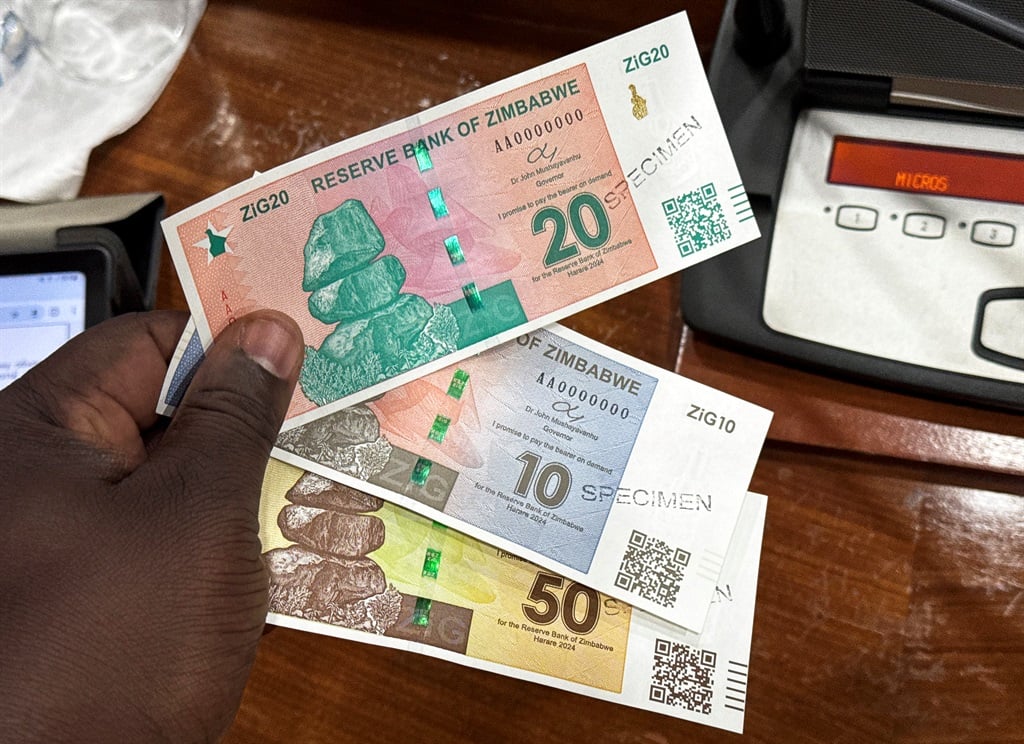

In a bid to distance itself from colonial legacies and assert greater economic independence, Zimbabwe’s ruling party, ZANU-PF, has announced bold initiatives to reshape the nation’s post-colonial identity. The party revealed plans to rename the country’s provinces using indigenous names, marking a significant step towards eradicating the remnants of colonial influence. Additionally, the government has unveiled a new currency—the gold-pegged ZiG—set to become the country’s sole legal tender. These reforms are part of a broader effort to foster national pride, economic stability, and to wean the nation off the US dollar.
Zimbabwe’s history of colonialism has had a lasting impact on its identity and psyche, with former colonizers often perceived as superior, while many African nations, including Zimbabwe, have struggled with feelings of inferiority. Farai Muroiwa Marapira, Director of Information and Publicity for ZANU-PF, emphasized the importance of reclaiming Zimbabwe’s true identity. In an interview with African Currents, Marapira discussed how colonial vestiges have fueled a damaging superiority complex among former colonizers and an inferiority complex among Africans. He stressed that breaking free from these psychological chains is essential for Zimbabwe’s progress and self-determination.
“We have transitioned from colonialism,” Marapira stated. “But we are still trapped in the grip of neo-imperialism and neo-colonialism. These colonial influences continue to distort our sense of self-worth and keep the former colonizers in a position of perceived superiority. We need to erase these remnants, restore our pride, and forge a future where Zimbabweans are free from the psychological effects of colonial subjugation.”
One of the major steps in this direction is the introduction of the ZiG currency, which will be pegged to the country’s gold reserves. According to Marapira, this move is intended to foster greater economic autonomy and strengthen Zimbabwe’s financial system. The government’s push to de-dollarize the economy by introducing a national currency backed by tangible assets like gold is viewed as a way to stabilize the country’s financial system, which has been plagued by hyperinflation and dependence on foreign currencies in recent years.
Professor Richard Shambare, Dean of the Faculty of Management and Commerce at the University of Fort Hare in South Africa, has weighed in on Zimbabwe’s economic reform efforts. He believes that ZANU-PF’s emphasis on the gold-backed ZiG currency is a significant step towards economic sovereignty. In an interview, Professor Shambare noted that this move is not only about economic independence but also about sending a clear message to the world that the days of relying solely on the US dollar for global economic transactions are over.
“The shift to a bullion-backed currency is a powerful statement from ZANU-PF,” Professor Shambare said. “It signals that Zimbabwe is asserting its sovereignty in both the political and economic arenas. This currency is a symbol of autonomy and a departure from the unipolar world where the US dollar has been the dominant force in global trade.”
This shift to a gold-backed currency is also seen as an attempt to stabilize Zimbabwe’s economy, which has struggled with inflation and economic instability in the past. By pegging the ZiG currency to gold, the government hopes to boost confidence in the national currency and encourage both local and foreign investments. The introduction of the ZiG is part of Zimbabwe’s broader effort to rebuild its economy, attract foreign investment, and reduce dependence on the US dollar, which has long dominated economic activities in the country.
Renaming the provinces with native names is another major aspect of the government’s efforts to restore national pride. These changes aim to reject the colonial names imposed by the British and replace them with names that reflect Zimbabwe’s rich indigenous heritage. The move is symbolic of the broader desire to reshape the country’s national identity and to create a sense of unity and pride among Zimbabweans. It is also seen as a step towards rectifying historical injustices and reclaiming cultural autonomy that was lost during colonial rule.
While these reforms are welcomed by many within Zimbabwe, they are also likely to face challenges. Critics of the ZANU-PF government have expressed concerns about the implementation of the gold-backed currency and the potential for economic instability. There are also those who argue that these changes may not fully address the country’s ongoing economic challenges, such as unemployment, poverty, and corruption. Despite these concerns, the government remains committed to these transformative changes, viewing them as necessary for the country’s long-term prosperity.
Zimbabwe’s plans to rename its provinces and introduce a gold-backed currency represent a significant shift in both the nation’s identity and its economic strategy. By moving away from colonial influences and asserting economic sovereignty, Zimbabwe aims to strengthen its national pride, stabilize its economy, and reduce its reliance on foreign currencies. While the road ahead may be challenging, these initiatives highlight Zimbabwe’s determination to reclaim its future and create a more self-sufficient and prosperous nation.


