
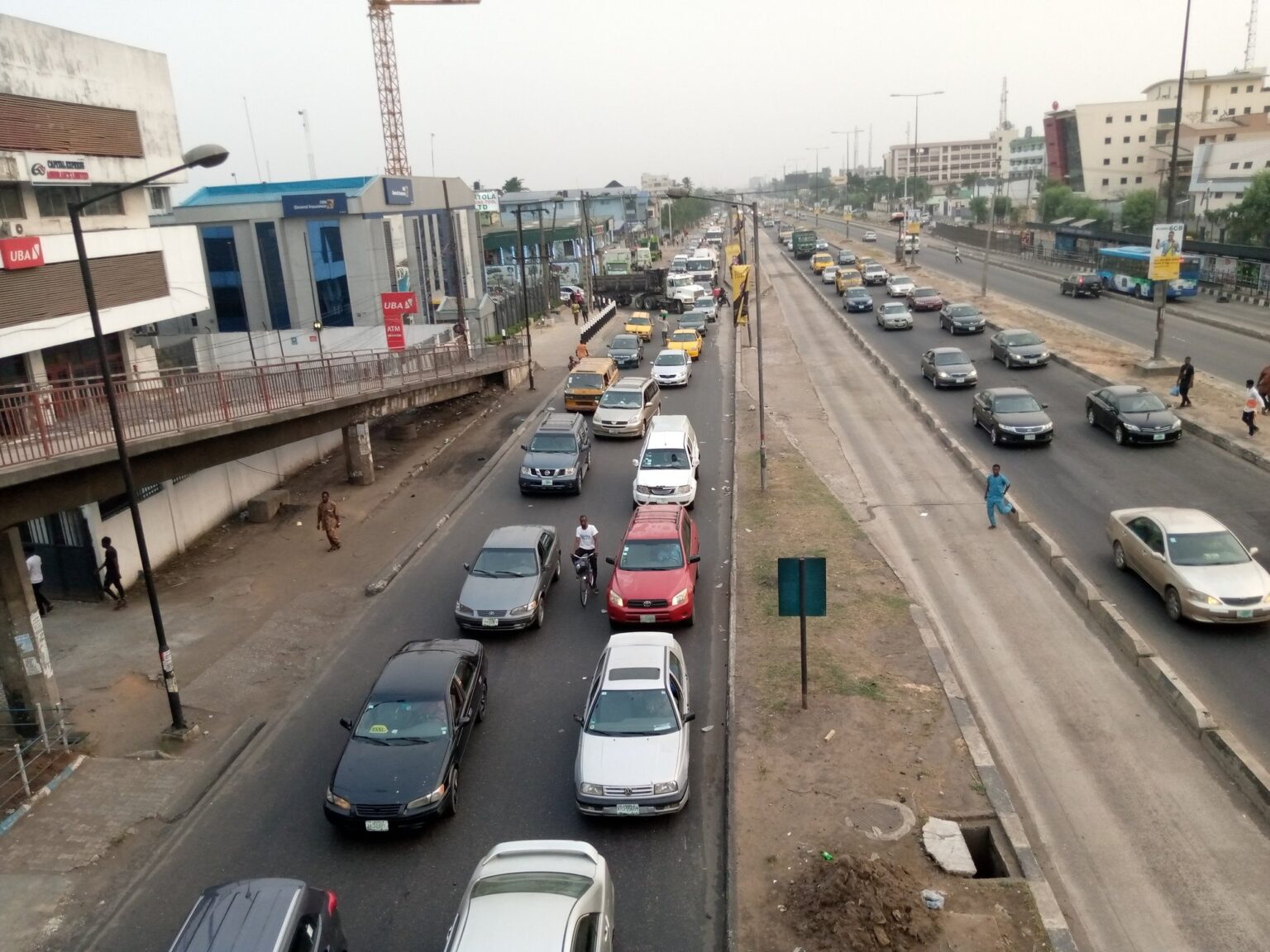

The Bolt commission charged to drivers in Lagos and Abuja has fallen to 15% of each fare, the ride-hailing company said in a statement on 27 November.
The change matters to drivers squeezed by fuel and car-financing costs in Nigeria’s two biggest ride-hailing markets, and it comes as Bolt faces its main driver union with Uber gone from the Nigerian market. The union says the cut is smaller than it looks.
What did Bolt announce?
In a statement sent to Nigerian outlets, Bolt said drivers in the two cities would now keep a larger share of the fares on completed trips. Nairametrics, which received the statement, put the previous rate at 20% in Lagos and 21% in Abuja; other outlets that carried it, such as Technext, gave it as 20%.
On a ₦10,000 trip, a 15% Bolt commission is ₦1,500, against ₦2,000 at 20%, leaving the driver ₦500 more before fuel and maintenance.
“Reducing our commission to 15% in Lagos and Abuja is a tangible step in that direction,” said Caroline Wanjihia, Bolt’s regional director of rides operations for Africa. She said it reflected the company’s “willingness to listen, adapt and respond to the concerns of our driver community”.
Bolt did not say whether the lower rate would extend to other Nigerian cities.
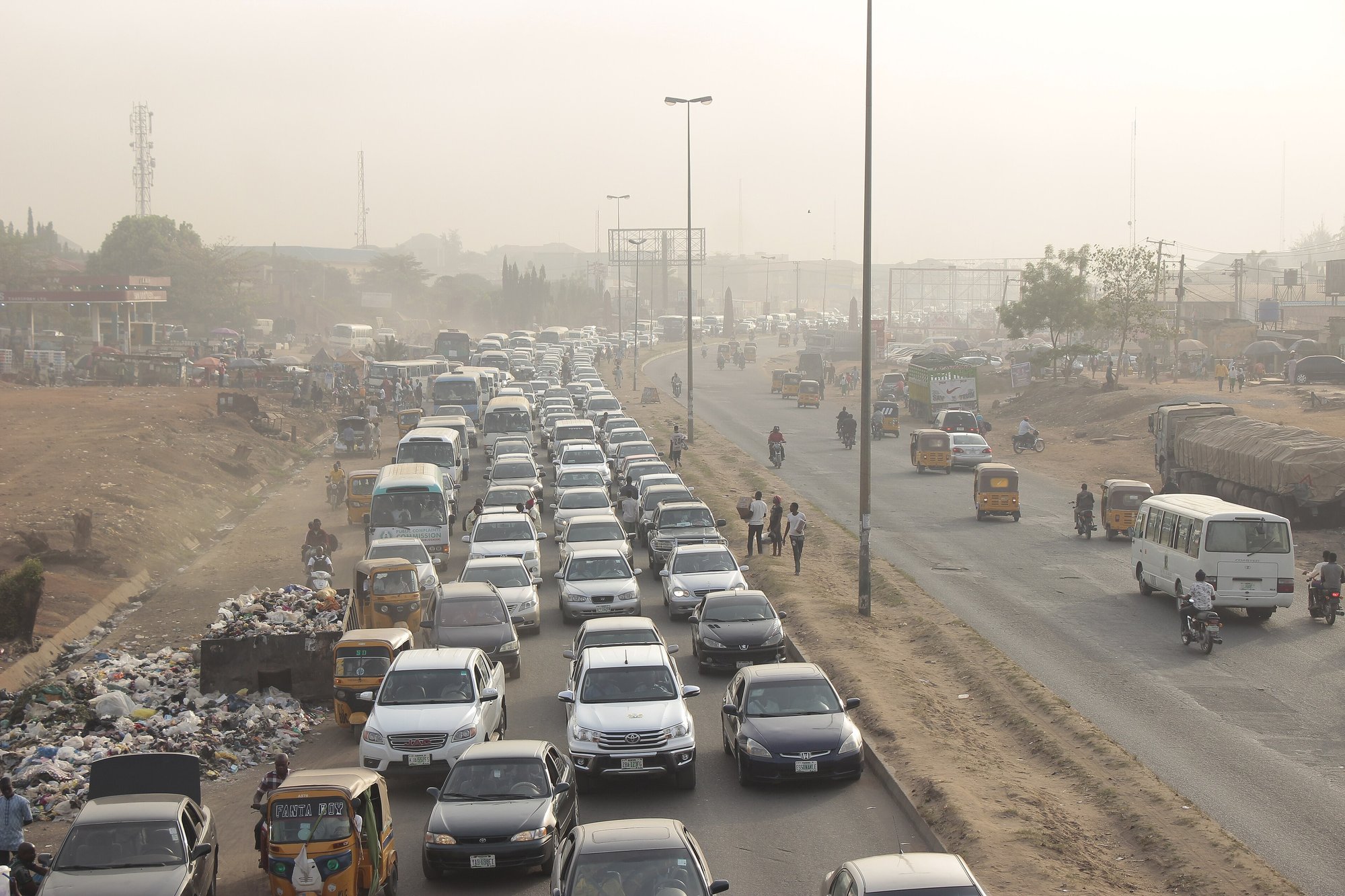
Why do drivers say the Bolt commission cut is not enough?
The Amalgamated Union of App-Based Transporters of Nigeria (AUATON) called the move a “gimmick”. In a statement signed by its national spokesperson, Jossy Adaraniwon, the union said Bolt still takes a separate 5% booking fee out of each fare, so the effective deduction falls only to 20%.
“If they are reducing commission by 5%, what it means is that their commission is now 20%, not 15% as stated,” the union said. It wants a flat rate of no more than 10%.
The union said Bolt describes the fee as a charge on riders, not drivers. Bolt’s statement did not mention the fee.
How has Nigeria’s ride-hailing market changed?
The Bolt commission cut follows a difficult year for drivers. AUATON’s Lagos chapter led a three-day log-off from Uber, Bolt, inDrive and other apps in March over fares, commission and a minimum trip fare, Nairametrics reported at the time.
Running costs have climbed. The average retail price of petrol reached ₦1,596.25 a litre in May 2026, up from ₦1,052.31 in October 2025, according to the National Bureau of Statistics.
Competition has also shifted. Uber left Nigeria and Uganda in September, sending many of its drivers to rival platforms. Bolt has since restated that Nigeria remains an important market and agreed to work with the union on pricing and on reinstating deactivated drivers, Technext reported.
What happens next?
The union has said it will keep pressing for the booking fee to go. Drivers in Lagos and Abuja will see whether the lower Bolt commission lifts their take-home pay once fuel and car-rental costs are paid, while those in other cities still pay the old rate.
FAQ
What is the new Bolt commission in Nigeria?
Bolt says it now takes 15% of each fare from drivers in Lagos and Abuja, down from about 20% (21% in Abuja, according to Nairametrics).
Does the Bolt commission cut apply across Nigeria?
No. The company said the 15% rate applies in Lagos and Abuja and has not said whether other cities will follow.
Why are drivers’ unions unhappy?
AUATON says a separate 5% booking fee still comes out of each fare, so drivers lose about 20% in total. It wants a flat commission of no more than 10%.
Is Uber still operating in Nigeria?
No. Uber withdrew from Nigeria and Uganda in September 2026, leaving Bolt, inDrive and smaller local apps.


