
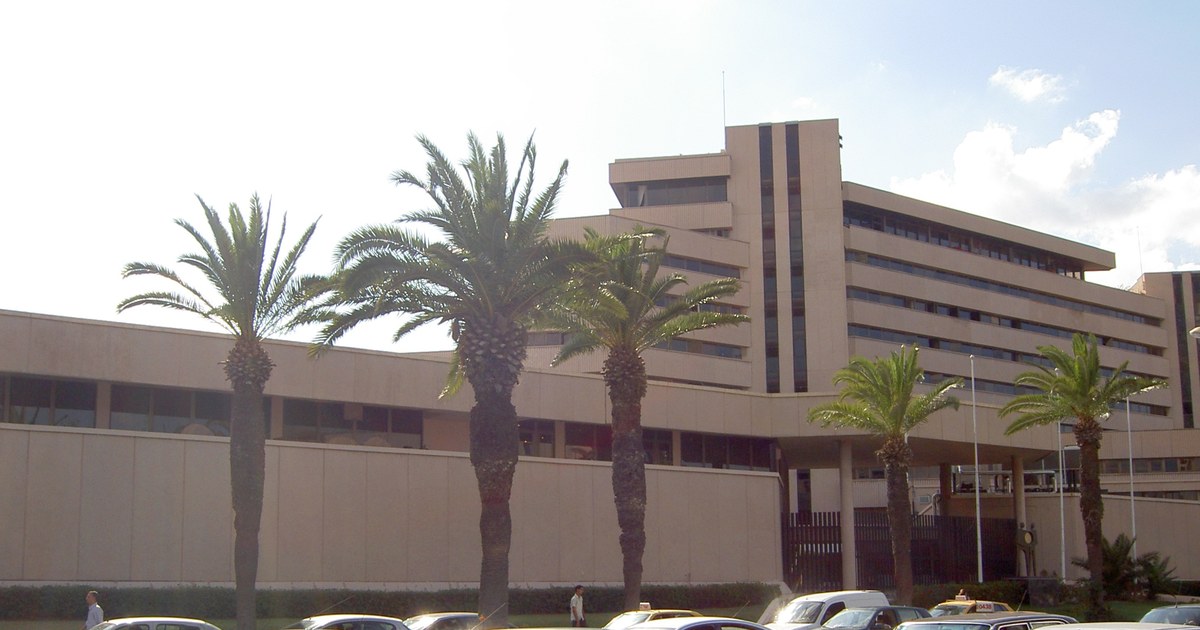

The Tunisia central bank kept its key interest rate at 7% on Wednesday, saying inflation pressure persists as the country’s current-account deficit more than doubled to 3.5% of GDP in the first ten months of 2026.
The decision by the Tunisia central bank’s board leaves borrowing costs unchanged for a fourth meeting this year, as growth slowed to 1.9% in the third quarter and foreign-currency reserves fell to 88 days of imports from 106 a year earlier.
Why did the Tunisia central bank hold rates at 7%?
The board “stressed that the recent stabilisation of inflation should not mask the persistence of underlying inflationary pressures”, the Banque Centrale de Tunisie (BCT) said in a statement after its meeting on 25 November (translated from French). It cited widening external imbalances and uncertainty in the world economy, and said monetary policy should stay prudent.
Annual inflation was 5.6% in October, unchanged from the previous month but up from 4.9% a year earlier, according to the Tunisia central bank. Core inflation, which excludes fresh food and administered prices, held at 5.1% for a fourth month, while fresh food prices rose 13.2% from a year earlier, compared with 13% in September. The bank said a continued freeze on the prices of the main administered products had damped inflation.
The board also said energy and commodity prices had eased since the start of November as supply improved and geopolitical tensions calmed, but remained high and were still adding to production costs and consumer prices.
How large is Tunisia’s current-account deficit?
The current-account deficit reached 6.403bn dinars in January to October, or 3.5% of GDP, compared with 2.999bn dinars and 1.7% of GDP a year earlier, the Tunisia central bank said. It blamed a wider trade gap, driven by an energy deficit of 12bn dinars, up from 9.2bn dinars, and said tourism receipts and workers’ remittances had partly offset it.
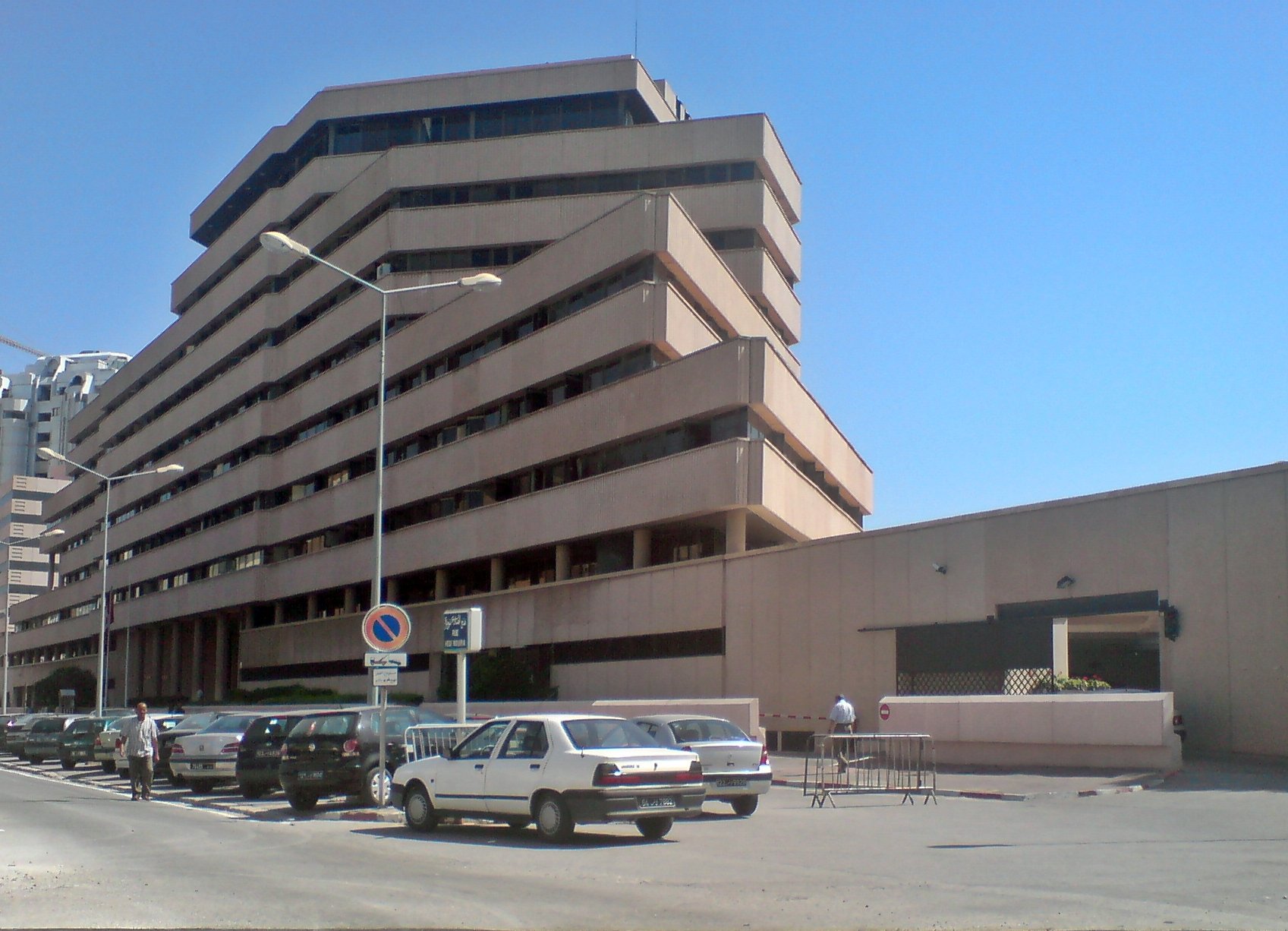
Net foreign-currency assets stood at 23.2bn dinars on 24 November, equal to 88 days of imports, down from 106 days a year earlier. The African Development Bank has forecast that the deficit will widen to 5.3% of GDP for 2026 as a whole, according to its economic outlook for Tunisia.
How fast is Tunisia’s economy growing?
Growth slowed to 1.9% year on year in the third quarter, from 2.3% in the second quarter and 2.8% a year earlier, the Tunisia central bank said. It attributed part of the slowdown to disruptions in electricity supply during the summer, which hit some industries. The national statistics institute put growth at 2.6% in the first quarter and 2.2% over the first nine months, according to its preliminary estimates.
What has the central bank done this year?
The Tunisia central bank cut its rate by 50 basis points to 7% at the end of 2025 and has held it since, at meetings in February, July, October and now November. In October it raised the reserve requirement on banks’ sight deposits from 1% to 3%, effective from 1 November, a separate tightening of liquidity that left the policy rate unchanged.
The board said it would keep managing bank liquidity closely and watch economic and financial developments, and repeated its commitment to price stability. The next decision will depend on whether inflation, which the bank sees as stuck above 5%, starts to fall, and on how far the external deficit widens. Other North African markets are covered in DNE Africa’s daily African stock markets wrap; see also Tunisia’s call for EU investment in migrants’ home countries.
FAQ
What is the Tunisia central bank’s key rate?
The BCT’s key interest rate is 7%. The board held it there at its meeting on 25 November 2026.
What is Tunisia’s inflation rate?
Annual inflation was 5.6% in October 2026, according to the central bank, with core inflation at 5.1% and fresh food prices up 13.2%.
Why is Tunisia’s current-account deficit growing?
The Tunisia central bank said the main cause was a larger energy deficit, which rose to 12bn dinars in January to October from 9.2bn dinars a year earlier.
How much foreign currency does Tunisia have?
Net foreign-currency assets were 23.2bn dinars on 24 November, equal to 88 days of imports, down from 106 days a year earlier.


