
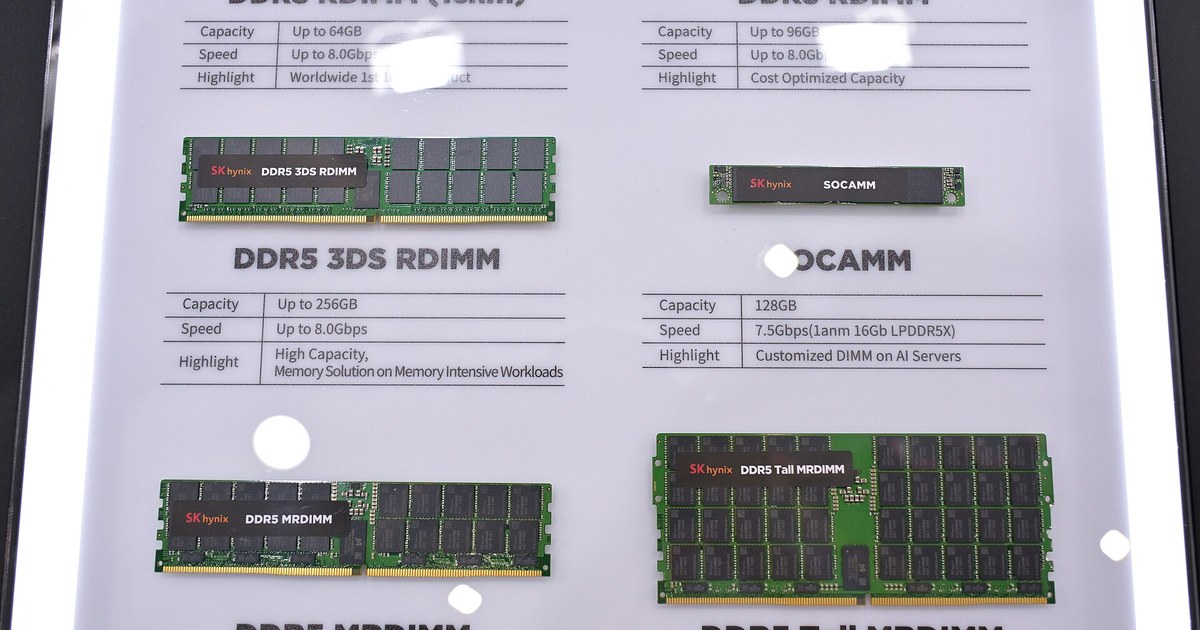

A global memory chip shortage pushed up computer prices in South Africa in the three months to September, Johannesburg-listed distributor Mustek said on 23 November, as its headline earnings per share rose 195% on lower sales volumes.
The results show how demand for artificial intelligence data centres is reaching African buyers: fewer PCs are being sold, at higher prices, and the company expects that pattern to last while supply stays tight.
How did the memory chip shortage affect Mustek’s results?
Revenue rose 7.6% to R1.83bn ($105mn) in the quarter to 30 September, from R1.71bn a year earlier, Mustek said in its results announcement. Headline earnings per share, the main profit measure on the JSE, rose to 100.23 cents from 33.99 cents, and operating profit grew 67.2% to R66.8mn.
Unit volumes in its distribution business fell “in line with industry trends”, but this was “more than offset by higher average selling prices, driven by US dollar-based price increases on memory and storage-intensive products”, the company said in its results booklet. Gross margin improved to 13.7% from 12.9%, mainly because of the pricing effect of the component shortages, it said, although the prior year’s margin had been held back by higher inventory provisions.
The mix of customers shifted sharply. Hardware sales to dealers rose to R1.26bn from R1.03bn and to the public sector to R350mn from R274mn, while sales to retailers fell to R89.6mn from R243.9mn, according to the booklet.
The company cautioned that results for a single quarter should not be annualised. It is reporting a three-month period because it moved its financial year-end from 30 June to 31 March.
Why is there a memory chip shortage?
“AI data-centre demand keeps absorbing memory manufacturing capacity,” Mustek said, citing market researcher TrendForce, which expects the pace of price increases to moderate but supply to remain tight into 2027 as capacity shifts to server products.
Global PC shipments fell 22.4% year on year in the July to September quarter according to Gartner, and 20.1% according to IDC, the company said. Gartner attributed the fall mainly to memory and storage costs passed through into device prices, rather than to weaker demand.
Manufacturers are responding by cutting memory and storage specifications in mainstream models to contain costs, Mustek said. Corporate buyers are moving away from broad fleet refreshes towards targeted purchases such as workstations and AI-capable devices, while customers who delay replacing machines will keep them in service for longer.
What does the memory chip shortage mean for African buyers?
For buyers, the memory chip shortage means “lower unit volumes, at higher average selling prices”, which Mustek said were likely to persist while supply conditions last. It said access to stock now depends more on vendor relationships and allocation.
The memory chip shortage is not limited to computers. On 22 November Egypt’s prime minister ordered a study of the mobile phone market after a rise in prices, and the cabinet cited higher memory chip prices and shortages linked to demand for AI processors among the causes.
South African importers face a second pressure. Congestion at the Port of Durban has extended vessel waiting times and import lead times since mid-August, Mustek said, and could affect buying patterns and stock holdings if it continues.
Cash generated from operations fell to R6.6mn from R84.9mn after Mustek repaid R300.7mn of trade finance facilities. The company said it had sufficient banking facilities and met all covenants.
FAQ
What is causing the memory chip shortage?
Demand from AI data centres is absorbing memory manufacturing capacity, Mustek said, citing TrendForce, which expects supply to remain tight into 2027 as production shifts to server products.
How has the memory chip shortage affected PC prices?
Manufacturers have passed higher memory and storage costs into device prices, according to Gartner as cited by Mustek, and global PC shipments fell 22.4% in the July to September quarter.
How did Mustek perform in the quarter to September 2026?
Revenue rose 7.6% to R1.83bn and headline earnings per share rose 195% to 100.23 cents, on lower unit volumes but higher selling prices, the company said.
Is the shortage affecting phones too?
Egypt’s cabinet cited higher memory chip prices among the reasons for rising phone prices when the prime minister ordered a market study on 22 November.


