
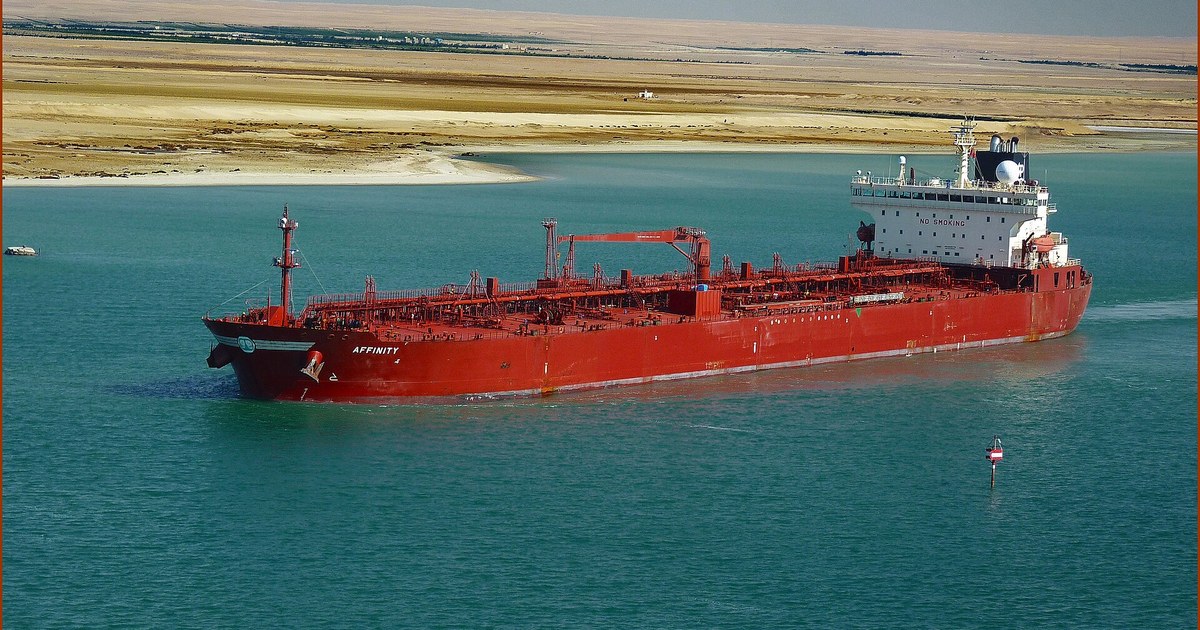

Egypt Russian crude imports have resumed: Cairo has contracted 9mn barrels, received 3mn in September and October and expects the rest by the end of 2026, a government official told Asharq Business on Sunday.
The contracts restart a supply line that had been idle since June. They come as Cairo tries to keep its refineries running and rebuild fuel stocks while war in the Gulf disrupts tanker traffic and pushes up its import bill.
What is in the Egypt Russian crude deal?
The official, who spoke to Asharq Business on condition of anonymity, said Egypt’s last cargo of Russian crude before the new contracts arrived in June. The remaining 6mn barrels are due in instalments before the end of the year, the official said (in Arabic, translated by DNE Africa).
Egypt has also agreed to import a 200,000-tonne cargo of Russian diesel at an estimated cost of about $110mn, according to the same official. The cargo had been expected in October; the official said its arrival date was not final because of market disruption, and that it could arrive within a week or later.
The official did not name the Russian suppliers, the price or the payment terms. The Ministry of Petroleum had not commented publicly on the Egypt Russian crude purchases by Sunday evening.
Why is Egypt buying more crude abroad?
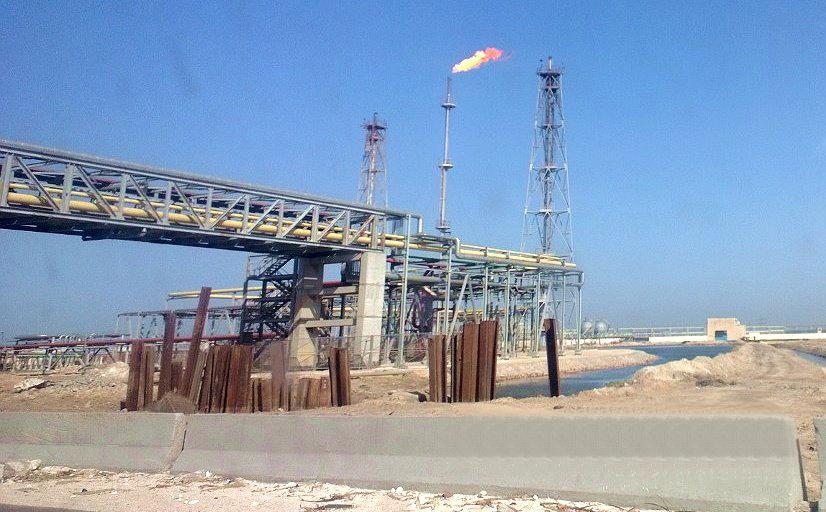
Egyptian refineries need between 4mn and 5mn barrels of crude a month to operate and supply the local market, the official said. Domestic output does not cover that, so Egypt buys from abroad. Alongside the Egypt Russian crude cargoes, it imported about 2mn barrels of Libyan crude in October, bringing Libyan supplies in September and October to about 5mn barrels, the official said.
The purchases come as tankers face attacks around the Strait of Hormuz in the war involving Iran, and as Iran’s Revolutionary Guards claim new strikes. Importers across the region have been diversifying their sources.
How much does Egypt spend on fuel imports?
Egypt’s petroleum trade deficit widened by 31.5 per cent to about $18.3bn in the 2025/26 fiscal year that ended in June, from $13.9bn a year earlier, according to Central Bank of Egypt data. Petroleum imports rose 27.6 per cent to about $24.9bn, driven by an increase of about $4.7bn in natural gas imports and about $1.9bn in crude oil.
President Abdel Fattah al-Sisi said in October that Egypt had built strategic storage tanks for 33mn barrels of oil but had not been able to fill them, because doing so would cost about $2.5bn. He said the government had used available funds to pay arrears owed to foreign oil companies, to encourage them to invest in fields and raise domestic output.
Domestic gas output is rising. Egypt’s gas production posted its biggest monthly rise of the year in November, according to figures reported on Saturday.
Where else does Egypt get its crude?
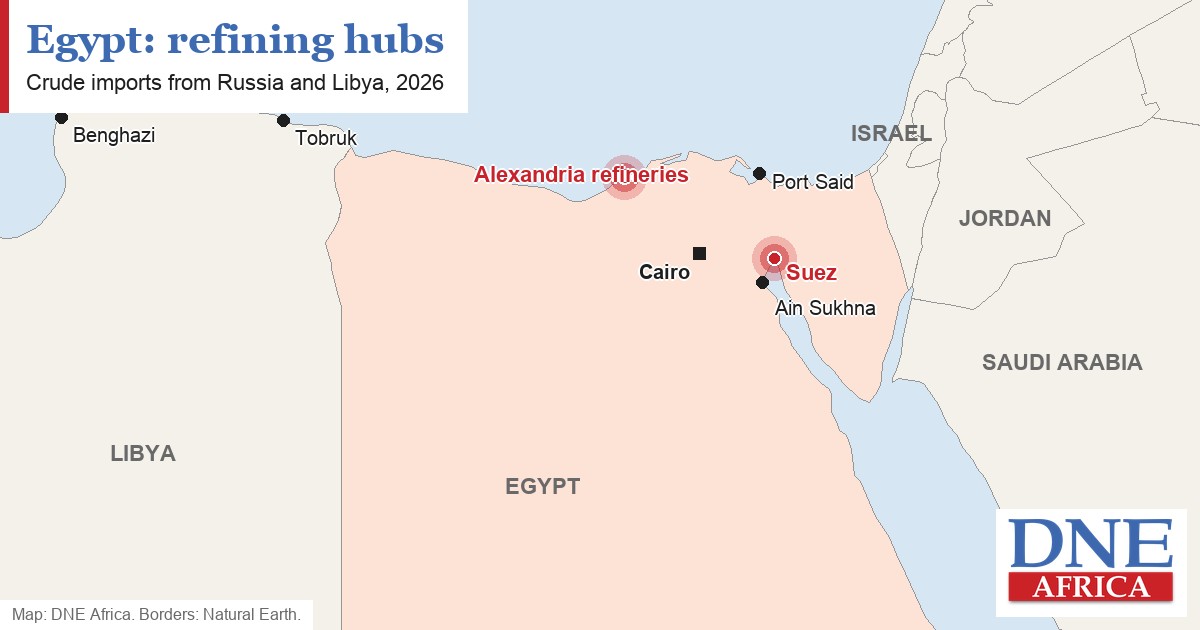
Libya remains a close supplier alongside the Egypt Russian crude cargoes. Cairo and Tripoli signed several agreements when President Sisi received Prime Minister Abdul Hamid Dbeibah this month, as DNE Africa reported.
For Moscow, the Egypt Russian crude sales add an outlet. Russia has been looking for buyers after sanctions closed many Western markets. Egypt has served as a transit point for Russian oil products bound for other buyers, and traders have used storage at Ain Sukhna on the Red Sea, Bloomberg reported in 2022.
FAQ
How much Russian crude has Egypt bought?
Egypt has contracted 9mn barrels of Russian crude, a government official told Asharq Business. It received 3mn barrels in September and October and expects the rest before the end of 2026.
Is Egypt also buying Russian diesel?
Yes. The official said Egypt agreed to import 200,000 tonnes of Russian diesel at an estimated cost of about $110mn; the arrival date has not been fixed.
Why are the Egypt Russian crude imports needed?
Egyptian refineries need 4mn to 5mn barrels of crude a month, more than domestic output provides, and Cairo is diversifying supply as Gulf shipping is disrupted.
How big is Egypt’s fuel import bill?
Petroleum imports reached about $24.9bn in the 2025/26 fiscal year and the petroleum trade deficit about $18.3bn, according to Central Bank of Egypt data.


