
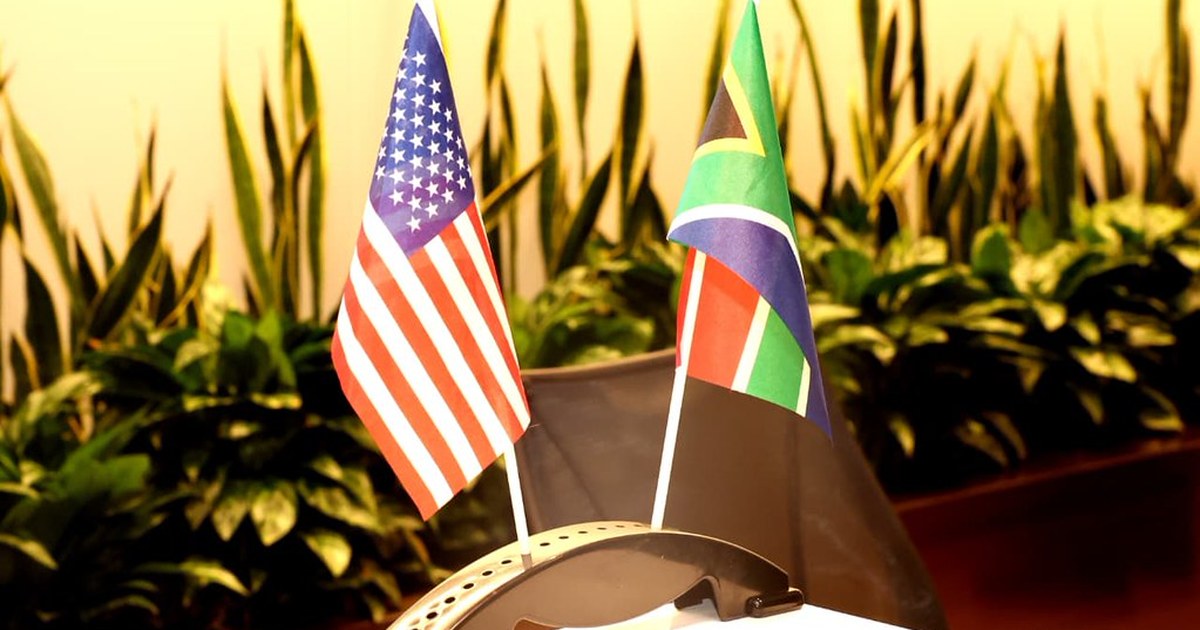

US President Donald Trump’s threat of a data centre tax on American companies that build abroad lands two days after South Africa’s President Cyril Ramaphosa asked Silicon Valley to build AI data centres in his country.
Trump gave no details, legal basis or timetable, and said he had not yet told his own officials. But a data centre tax would go to the heart of Africa’s pitch for AI investment, which depends heavily on US cloud and technology groups.
What did Trump say about a data centre tax?
“We’re not going to allow our companies to build data centres outside of our country,” Trump told reporters at the White House on 20 November, after returning from summit talks with Chinese President Xi Jinping and Russian President Vladimir Putin. “If they do that, they can, but we’re going to put a tremendous tax on them,” he said, according to The Verge.
He also spoke of “tremendous penalties on companies that try and do it”, NBC News reported. He argued that allowing chipmaking to move abroad had been “very destructive” and warned that if the US let data centres go overseas, “China will take them all”.
“I don’t know if that’s a breaking story. But I haven’t even said that to my people,” Trump said. No proposal has been published. The Verge noted that a new Congress with a Democratic majority is due to be sworn in within months, which could make the plan hard to pass.
What is South Africa offering data centre investors?
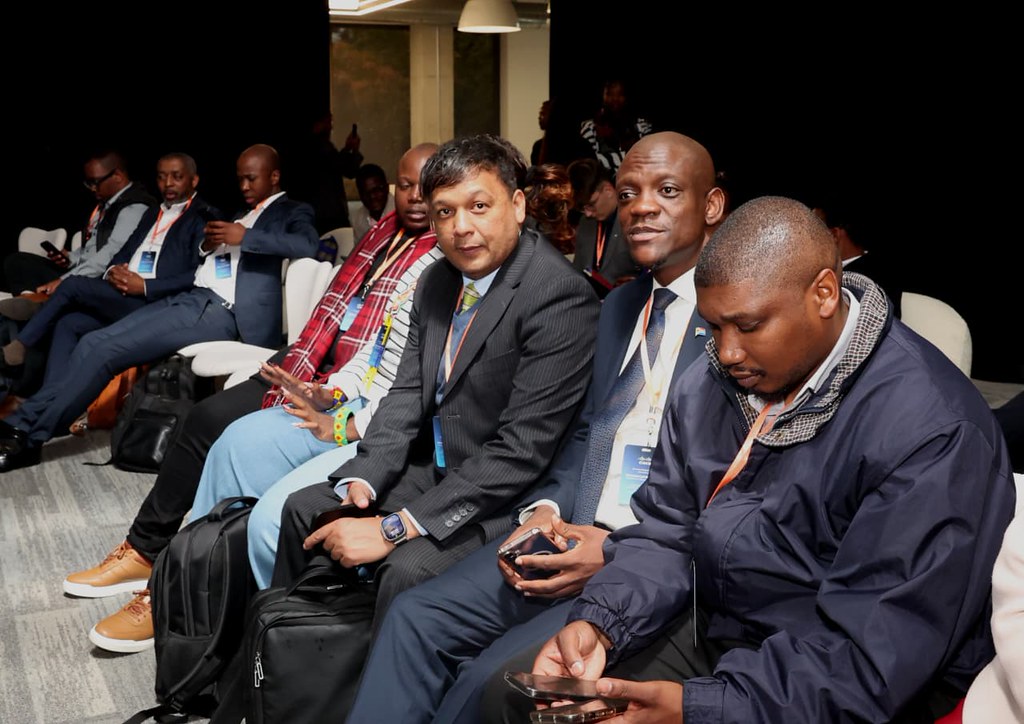
Two days earlier, at the South Africa and the AI Opportunity Conference in San Jose, California, Ramaphosa invited US companies to use South Africa “as a base from which to serve the growing markets of the African continent”.
“We are not asking for charity. We are presenting an investment and partnership opportunity,” he said, according to the Presidency’s transcript. He offered power station sites “approaching the end of their operational lives” that already have grid connections and transport links, and said they could host data centres.
Presidency spokesman Vincent Magwenya later said “no technical details have been worked out yet”, TechCentral reported. No response from South Africa’s government to Trump’s remarks had been published by Saturday.
Why does a data centre tax matter for Africa?
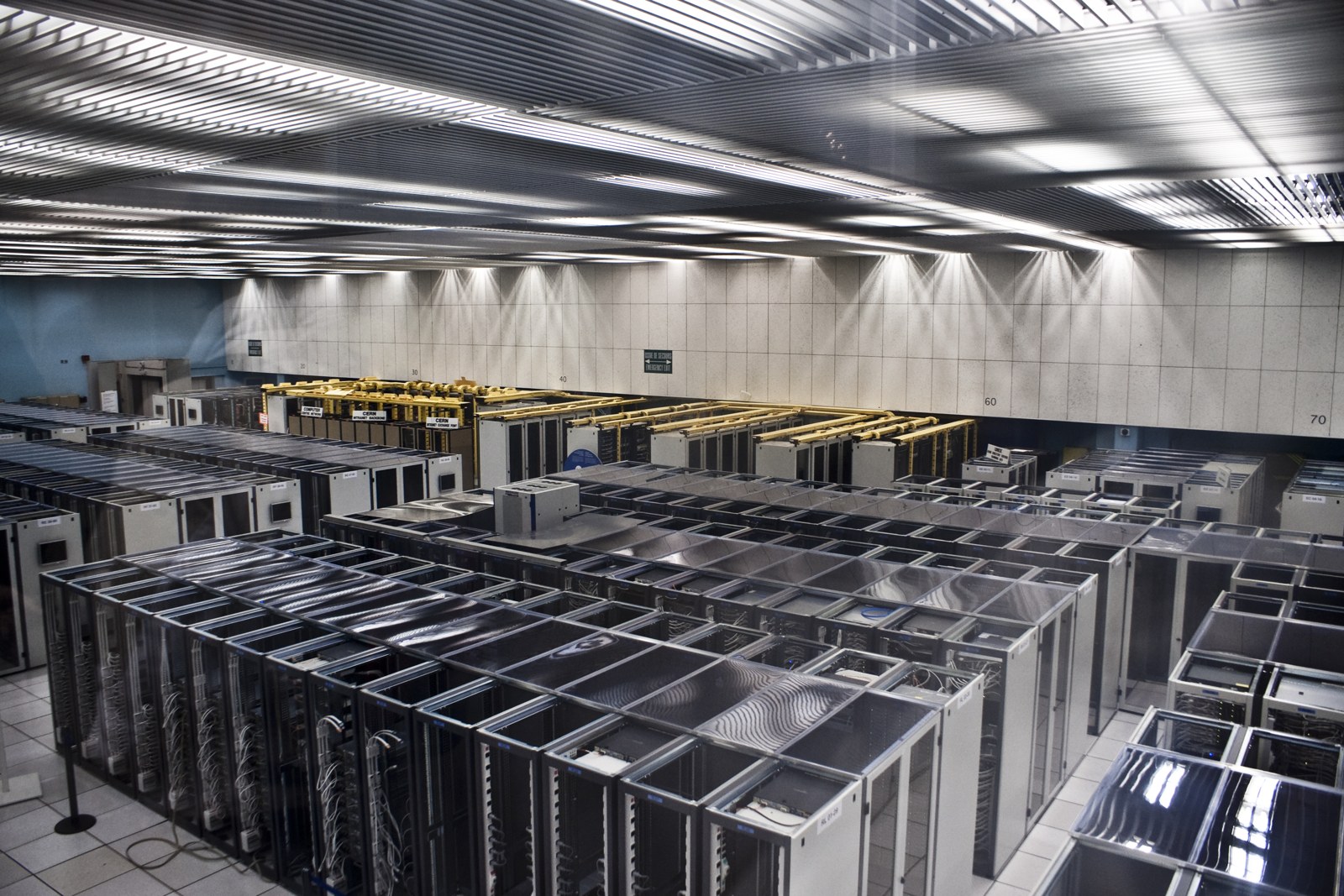
Africa is home to nearly a fifth of the world’s population but “only a tiny fraction of global data centre capacity”, Ramaphosa told the conference. He said the largest American technology companies were expected to spend close to $670bn on AI infrastructure this year.
US groups already dominate the cloud capacity that exists. Microsoft, Amazon Web Services and Google all operate cloud regions in South Africa, and Ramaphosa has praised Microsoft’s “ongoing expansion of data centre and cloud investments” in the country, according to a 2025 speech. A data centre tax on building abroad would raise the cost of exactly the projects African governments are courting.
South Africa is not alone. Egypt’s communications ministry said this month that it aims to attract new investment in AI data centres, and Microsoft and the UAE’s G42 announced a $1bn data centre project in Kenya in 2024.
The threat also adds to existing US curbs. A US rule on advanced AI chips already reaches data centres worldwide, including in Africa, limiting which facilities can receive the most advanced processors.
What happens next?
Much depends on whether the threat becomes policy. Trump did not say whether a data centre tax would cover facilities serving local customers, such as cloud regions in Johannesburg or Cape Town.
Ramaphosa has told his roughly 300-member delegation to deliver practical projects within 90 days. US companies’ decisions on new African capacity over that period will show how seriously they take the threat.
FAQ
What is Trump’s proposed data centre tax?
Trump said on 20 November he would put a “tremendous tax” on US companies that build data centres abroad. No details or legal text have been published.
Does the data centre tax apply to Africa?
Trump did not name countries. As described, it would cover any US company building data centres outside the US, including in Africa.
What did Ramaphosa offer investors?
He offered ageing power station sites with grid connections for data centres and invited US firms to serve Africa from South Africa.
Has South Africa responded?
No South African government response had been published by 21 November.


