
The Central Bank of Congo has licensed Senegal’s Wave as an electronic money institution, making Wave Congo the first new entrant to the country’s mobile money market since 2015, the bank said on Wednesday.
The licence lets the fintech issue, manage and distribute electronic money in the Democratic Republic of Congo, a country of more than 100mn people where four operators, three of them owned by mobile network companies, have had the market to themselves for over a decade.
What does the Wave Congo licence allow?
The Central Bank of Congo (BCC) said in a statement on X that it had granted Wave approval as an electronic money institution. The arrival “helps diversify the supply of digital financial services, stimulate competition and make transactions more accessible and affordable, notably for underserved populations and small businesses”, the bank said (translated from French).
The central bank linked the decision to its push to digitise payments, citing the recent introduction of contactless payments via Visa. It did not publish the licence conditions or a capital requirement.
Jérémie Lukusa, Wave’s managing director in Congo, said on LinkedIn that “a licence opens the way; it is the work on the ground that gives it meaning”, according to Agence Ecofin. Wave has not given a launch date or prices for Wave Congo.
Who does Wave Congo compete with?
Wave becomes the fifth licensed e-money institution in the country. The previous four were Airtel Money and Orange Money, both licensed in 2012, Vodacash, the Vodacom unit that runs M-Pesa, also licensed in 2012, and Afrimobile Money, licensed in September 2015, Actualite.cd and Agence Ecofin reported.
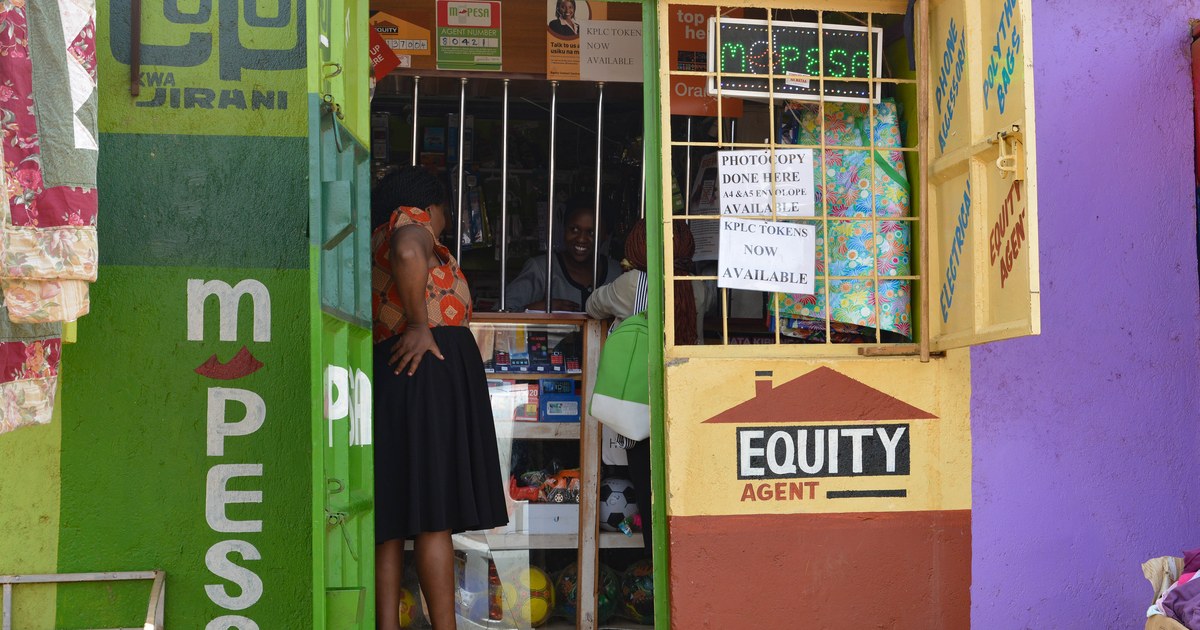
The incumbents have a large head start. Vodacash held 40.1% of the market in 2025, Orange Money 34.4%, Airtel Money 23.8% and Afrimoney 1.7%, TechCabal reported. Telecom-owned services control the USSD menus and agent networks where customers deposit and withdraw cash, which has made it hard for independent fintechs to break in.
Wave built its business in Senegal by charging a flat 1% fee on transfers and making deposits and withdrawals free. Its share of e-money balances in Senegal reached about 80.6% at the end of 2025, or 459.9bn CFA francs (about $800mn), according to the annual report of the West African Monetary Union’s banking commission, as cited by Agence Ecofin. It also operates in Côte d’Ivoire and, through a partnership with Commercial Bank Cameroun, in Cameroon.
Why does the licence matter for Congo?
Unlike in Cameroon, where a partner bank provides the payment service under the Wave name, in Congo Wave holds its own licence. That gives it direct control of customer accounts and pricing in one of Africa’s largest and least banked markets.
Lower transfer costs could matter for small traders and households that rely on mobile money in a largely cash economy. But building an agent network across a country the size of Western Europe, with weak roads and patchy power, is expensive, and the incumbents can respond on price. The arrival of Wave Congo follows other African fintech moves this month, from Paystack’s push into stablecoin payments to the competition examined in our analysis of how OPay and Moniepoint make money.
What happens next?
Wave said it was working with the central bank and local partners on its launch but gave no date. The central bank has not said whether it will license further e-money issuers.
FAQ
What is Wave Congo?
It is the planned Congolese business of Wave, the Senegal-based mobile money company, which the Central Bank of Congo licensed as an electronic money institution on 18 November 2026.
When will Wave Congo launch?
Wave has not announced a launch date or prices for its service in Congo.
How many mobile money operators are licensed in Congo?
Five: Airtel Money, Orange Money, Vodacash (M-Pesa), Afrimobile Money and now Wave. Wave is the first new licensee since September 2015.
What fees does Wave charge?
In Senegal and Côte d’Ivoire, Wave charges a flat 1% on transfers. It has not said what it will charge in Congo.