

Africa energy access is improving faster, but the 2026 oil and gas crisis threatens that progress, the International Energy Agency (IEA) said on 19 November, as about 720 million people worldwide still live without electricity.
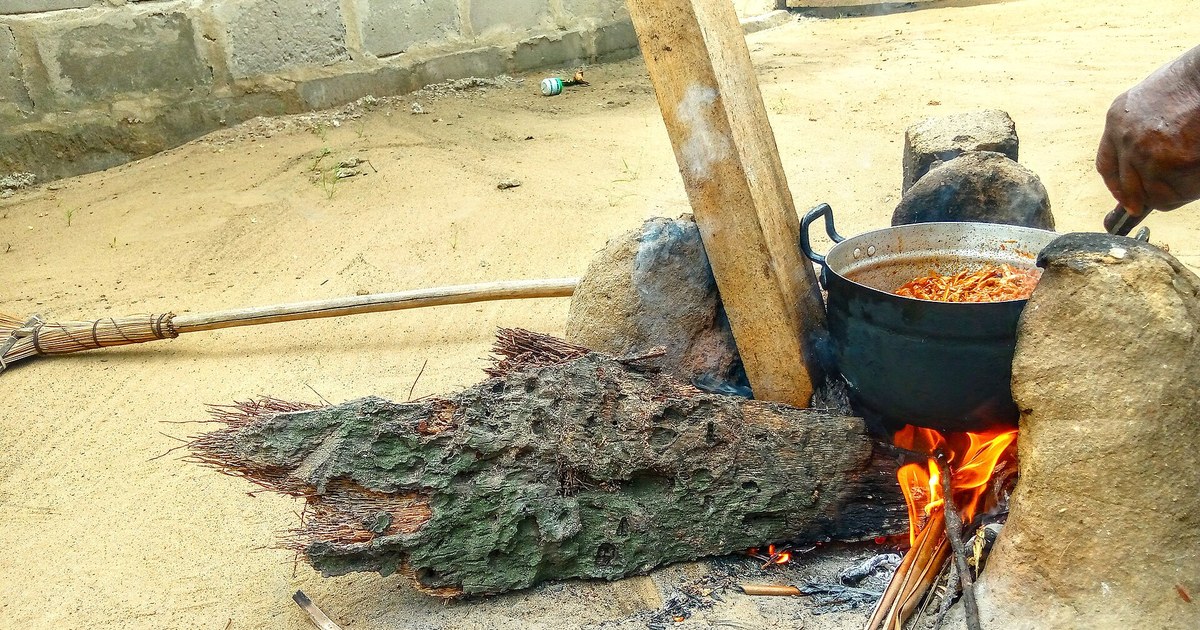
Sub-Saharan Africa is home to 90% of the people without electricity and half of the nearly 2 billion who rely on polluting cooking methods, according to the IEA’s World Energy Outlook 2026. Higher prices for diesel, kerosene and liquefied petroleum gas (LPG) since the disruption to shipping through the Strait of Hormuz are hitting low-income households hardest, it said.
How fast is Africa energy access improving?
More than 30 million people worldwide gained access to electricity in 2025, up from 16 million in 2024, with sub-Saharan Africa accounting for around three-quarters of the improvement, the IEA said.
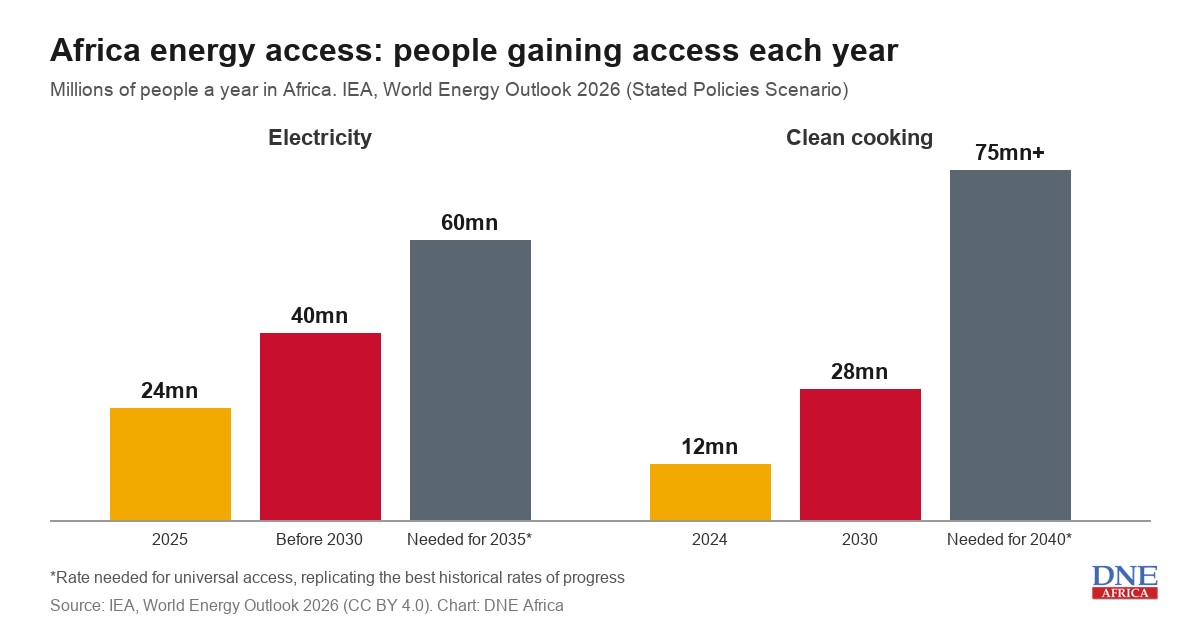
In Africa, the number of people gaining access to electricity each year is set to rise from 24 million in 2025 to 40 million before 2030 under the agency’s Stated Policies Scenario. Around 12 million people in Africa gained access to clean cooking in 2024; early data indicate that figure rose by 35% in 2025, and it is set to reach about 28 million a year by 2030.
Policy is the main driver of better Africa energy access, according to the report. More than 120 clean cooking policies or programmes have been introduced or announced across Africa since the 2024 Summit on Clean Cooking in Africa, and more than 35 countries have adopted national energy compacts under Mission 300, the World Bank and African Development Bank initiative to connect 300 million people. More than half of sub-Saharan African countries made faster progress between 2023 and 2025 than in the previous decade.
How is the 2026 energy crisis affecting Africa energy access?
Around 75% of people gaining clean cooking worldwide in recent years did so through LPG, and the Middle East is one of its largest exporters, the IEA said. LPG prices have risen by as much as 100% in some import-dependent markets since the crisis began, which risks slowing adoption among first-time users and leading households that recently switched to cut back or use it alongside traditional fuels.
Diesel prices reached record levels in the first nine months of the year, raising the cost of running the generators that many homes, businesses and clinics rely on where the grid is absent or unreliable. Utilities that depend on oil-fired power face higher fuel bills, while high debt and borrowing costs constrain investment in grids, the agency said. DNE Africa has reported on the wider cost of the Hormuz disruption for Africa.
Some African governments have responded by cutting taxes or subsidising fuel, the IEA said. It added that the crisis has strengthened the economic case for solar: solar home systems now cost 50% less than small diesel and petrol generators on a levelised cost basis. Imports of panels have outrun recorded installations, as DNE Africa reports in a separate article on the report.
What would universal Africa energy access cost?
On current policies, universal Africa energy access will not be reached by 2030, the IEA said. The number of people without clean cooking in sub-Saharan Africa peaks before 2030 and falls to around 970 million by 2035, which it called a turning point after decades in which population growth outpaced progress. But the region would still be home to 95% of the people without electricity in 2035.
Replicating the fastest rates of progress achieved in comparable countries would mean 60 million Africans gaining electricity and more than 75 million gaining clean cooking each year, putting universal access within reach by 2035 and 2040 respectively, according to the report. Worldwide, that requires around $24bn a year for electricity access, a sixfold increase, and $4bn a year for clean cooking, with investment shifting towards sub-Saharan Africa.
What happens next?
Investment will decide the pace of Africa energy access. Total energy investment in Africa is set to rise by 11% in 2026 to around $110bn, but that is only 3% of the global total for a continent with a fifth of the world’s population, and spending remains skewed towards fossil fuel supply and exports, the IEA said. Regional programmes such as ECOWAS’s RAISE project are targeting new connections. The second Summit on Clean Cooking in Africa, in January 2027, will be a major opportunity to raise further commitments, the agency said; 19 African countries have signalled they are ready to adopt more clean cooking policies.
FAQ
How many Africans lack electricity?
Around 720 million people worldwide live without electricity, and sub-Saharan Africa is home to 90% of them, according to the IEA’s World Energy Outlook 2026.
Is Africa energy access improving?
Yes. The IEA expects the number of Africans gaining electricity each year to rise from 24 million in 2025 to 40 million before 2030, and clean cooking gains to reach about 28 million a year by 2030.
How does the energy crisis threaten Africa energy access?
Higher LPG, kerosene and diesel prices since the Hormuz disruption make clean cooking and generator power more expensive, and LPG prices have doubled in some import-dependent markets, the IEA said.
How much investment does universal access need?
Around $24bn a year for electricity access and $4bn a year for clean cooking worldwide, according to the IEA.


