

Ten African teams start their U-17 World Cup campaigns in Qatar from Thursday, with Uganda, Mozambique and Egypt playing on the opening day of the 48-team tournament in Doha.
Africa’s 10 places, decided through CAF’s U-17 Africa Cup of Nations and a play-off, went to Morocco, Cameroon, Senegal, Mali, Cote d’Ivoire, Egypt, Tanzania, Algeria, Mozambique and Uganda. The tournament runs from 19 November to 13 December, and the format gives most of them a realistic route to the knockout rounds.
Who do the African teams face at the U-17 World Cup?
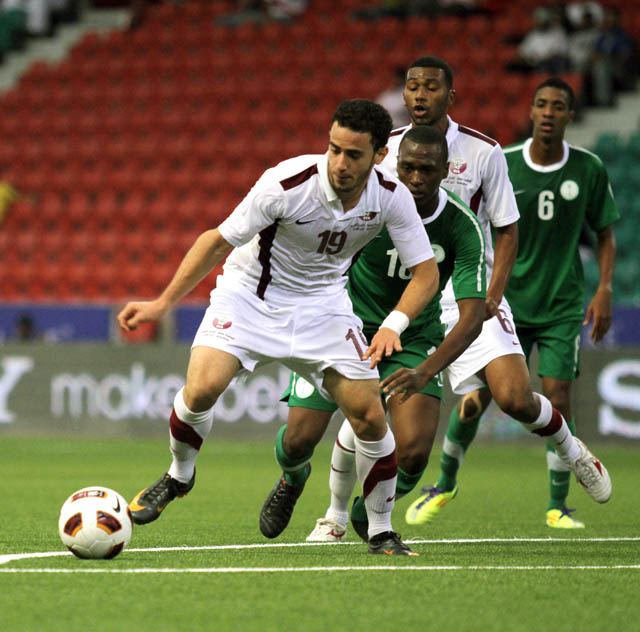
According to the FIFA match schedule, Uganda open against Korea Republic in Group B at 13:30 GMT on Thursday, Mozambique meet Denmark in Group C at 15:00 GMT and Egypt play Greece in Group A at 16:00 GMT. Egypt share their group with hosts Qatar and Panama.
Four more African sides start on Friday 20 November: Mali against New Zealand in Group G, Senegal against Croatia in Group F, Cote d’Ivoire against Uzbekistan in Group E and Morocco against Fiji in Group H, where Spain and China PR are also drawn. On Saturday Tanzania face Costa Rica in a Group I that includes Brazil, Cameroon play Venezuela in Group K and Algeria meet Chile in Group J.
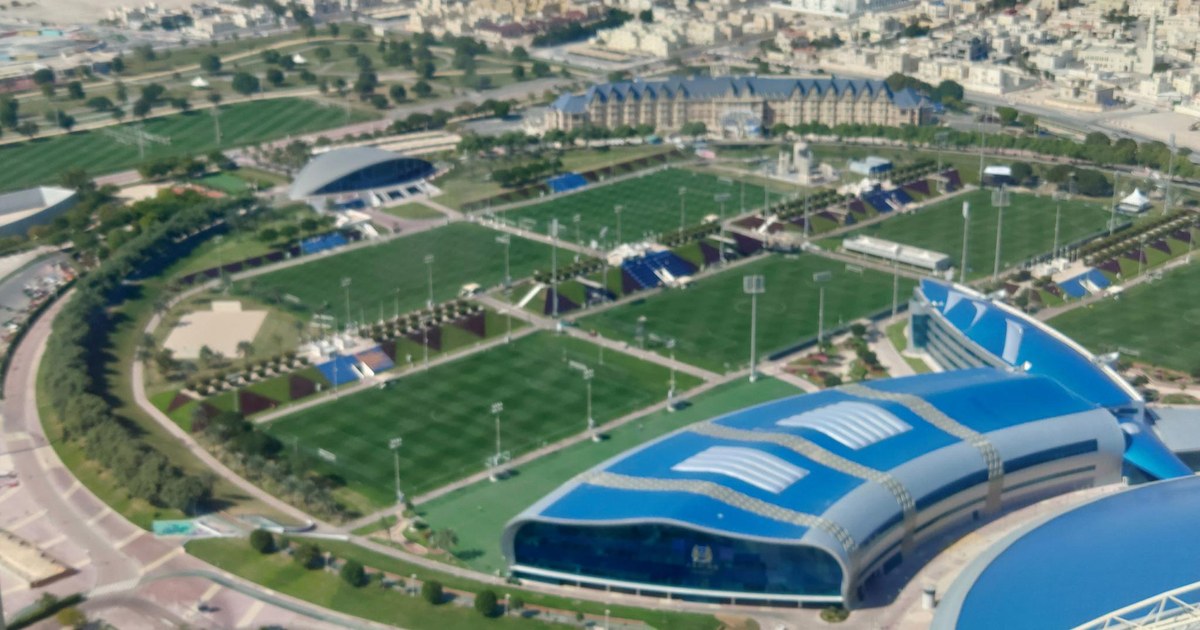
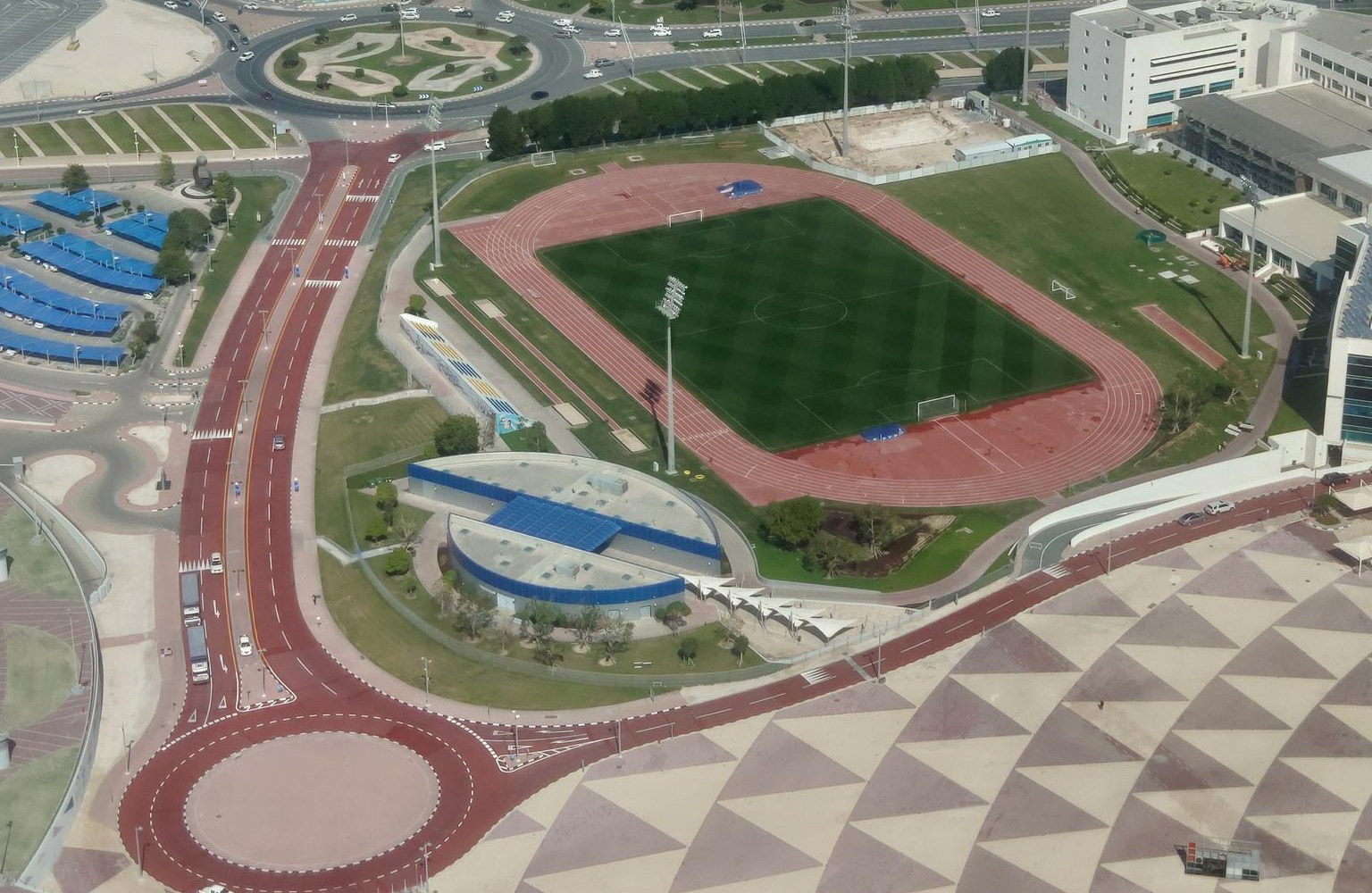
All U-17 World Cup group matches are played on the pitches of the Aspire Zone in Doha. The final is scheduled for 13 December at the Ahmad Bin Ali Stadium, FIFA said.
How does the 48-team U-17 World Cup format work?
The 48 teams are split into 12 groups of four. The top two in each group and the eight best third-placed teams go through to a round of 32, so 32 of the 48 sides survive the group stage. This is the second U-17 World Cup in a row with 48 teams, both of them staged in Qatar.
That format matters for Africa’s chances. A win and a draw from three matches is often enough for a third-placed finish to count, which gives every African side a realistic chance of reaching the knockout rounds.
How are Egypt and Uganda preparing?
Egypt, coached by Hussein Abdel Latif, held their final training session at Al Gharafa on Wednesday evening ahead of the Greece match, FilGoal reported in Arabic. The squad reached the last 32 at the previous edition in Qatar in 2025, where they lost to Switzerland. As hosts in 1997 they reached the quarter-finals, where Spain knocked them out, FilGoal said. Egypt’s under-17s have also secured a place at the next U-17 Africa Cup of Nations, as we reported in our story on their qualification.
Uganda’s coach, the former Ghana midfielder Laryea Kingston, said his players were ready after three friendly matches in Qatar. “The players were looking very sharp. The focus points we worked on were executed very well,” he told Kawowo Sports. Uganda took Africa’s last place by beating Ghana on penalties in a play-off, according to the Confederation of African Football (CAF).
Uganda bring back three players from the 2025 squad, Adrian Mukwanga, Isima Magala and John Brian Owino, and goalkeeper Ashraf Lukyamuzi, whose penalty saves against Ghana helped them qualify, Kawowo reported. At the 2025 tournament Uganda beat France in the group stage, The Peninsula reported at the time.
What is at stake for African football?
The U-17 World Cup and other youth tournaments have become a showcase for the continent’s academies and a route to European clubs. Morocco’s 17-year-old Abdellah Ouazzane scored the goal that sent the Atlas Lions to AFCON 2027, as covered in our report on Morocco’s qualification.
The U-17 World Cup group stage ends on 27 November. The round of 32 is due on 30 November and 1 December, though FIFA said the dates of the round of 32 and round of 16 matches are still to be confirmed.
FAQ
When does the U-17 World Cup 2026 start?
The U-17 World Cup starts in Doha, Qatar, on Thursday 19 November 2026 and the final is on 13 December, according to FIFA’s schedule.
Which African teams are at the U-17 World Cup?
Ten: Morocco, Cameroon, Senegal, Mali, Cote d’Ivoire, Egypt, Tanzania, Algeria, Mozambique and Uganda.
Who do Egypt play at the U-17 World Cup?
Egypt are in Group A and play Greece on 19 November, Qatar on 22 November and Panama on 25 November.
How many teams reach the knockout stage?
Thirty-two of the 48 teams advance: the top two in each of the 12 groups plus the eight best third-placed sides.


