
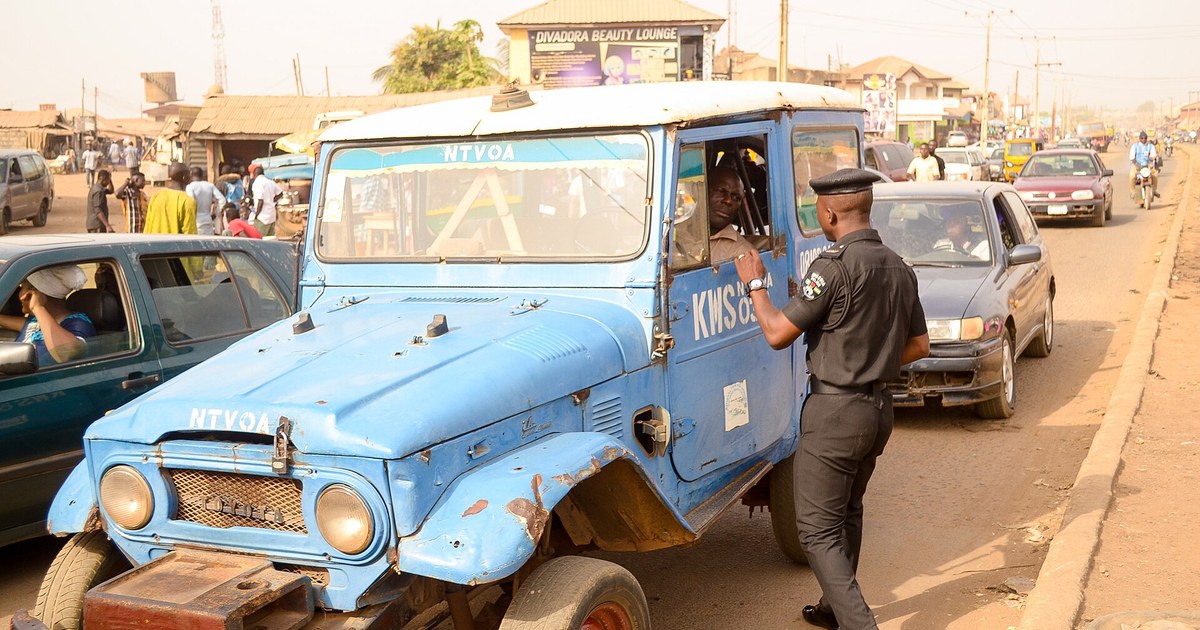

The Nigeria state police plan now needs only President Bola Tinubu’s assent after all 36 state assemblies approved the constitutional amendment, the Clerk to the National Assembly said on Tuesday.
The reform would end the country’s single, federally controlled police force for the first time since the 1999 constitution, in response to banditry, kidnapping and communal violence that federal forces have struggled to contain. Critics fear governors could turn the new forces on opponents.
What did the National Assembly announce?
Kamoru Ogunlana, the Clerk to the National Assembly, said on 17 November that his office had finished verifying the resolutions sent in by state legislatures, the National Assembly Library Trust Fund reported. He described the result as 100% approval, well above the minimum of 24 states that section 9 of the constitution requires.
The count rose quickly. The National Assembly said on 3 November that 28 assemblies had approved the bill, Premium Times reported. The bill is formally titled the Constitution of the Federal Republic of Nigeria, 1999 (Sixth Alteration) Bill, 2026. It began as an executive bill that Mr Tinubu sent to the National Assembly in June.
Presidential assent is not the last step for Nigeria state police. Federal and state laws must still be passed before any state force can start operating, the BBC reported.
How would Nigeria state police work?
The amendment creates a two-tier system. A Federal Police Service would keep responsibility for federal laws, national institutions, terrorism, cybercrime and border security. State police services would enforce state laws, keep public order and investigate offences within each state.
Federal police could step in to a state in some cases, such as a serious breakdown of public order or human rights violations, but only with presidential authorisation and subject to judicial review. Governors would be barred from ordering officers to make unlawful arrests or detentions. Independent state police commissions would handle hiring and discipline, with members appointed by governors on the recommendation of the federal National Police Council.
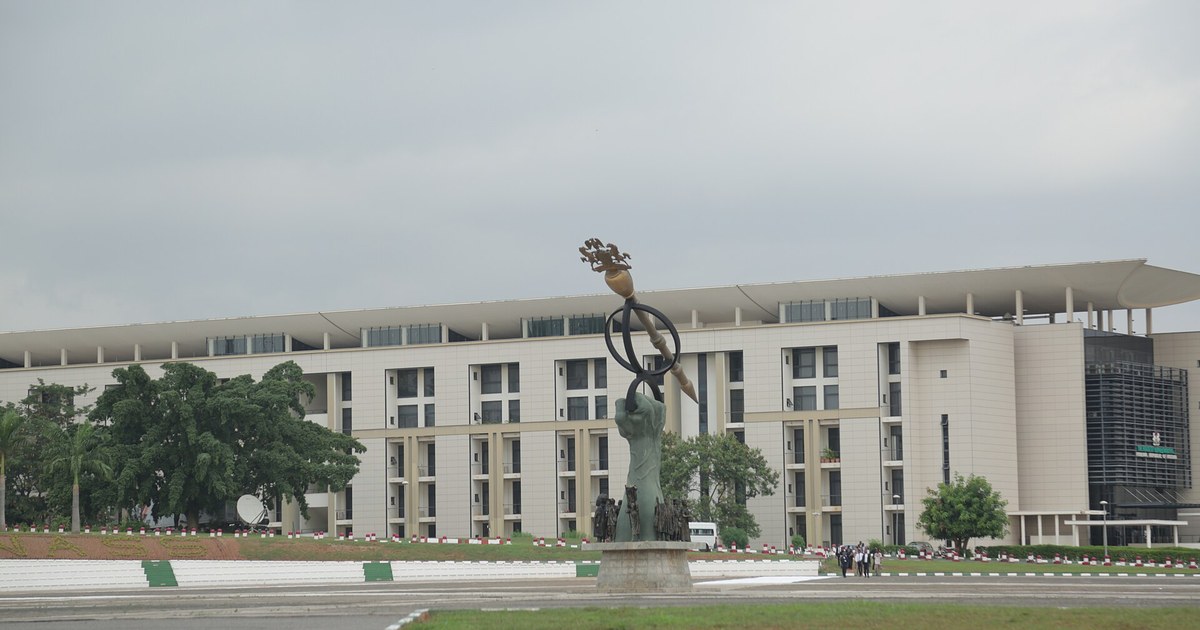
Why does Nigeria want state police?
Supporters say local forces would respond faster and know local conditions better. Nigeria’s federal police are thinly spread. A November 2025 report by the EU Agency for Asylum put the force at about 371,800 personnel for a population estimated at 236.7mn in 2024, and said roughly 100,000 officers were assigned to protect politicians and other VIPs, according to Intelpoint. That is about one officer for every 640 people, against a UN benchmark of one for every 450 that is often cited in Nigerian debates.
Insecurity drives the case for Nigeria state police. More than 50 people were killed in a clash in Zamfara state last week, residents said.
What are the risks of Nigeria state police?
Critics fear governors could use the forces to intimidate political opponents, suppress dissent or sway elections, a concern raised as Nigeria heads towards the 2027 polls. Rights groups also say officers are often poorly equipped and trained and vulnerable to corruption, and some states may struggle to pay for their own forces.
The safeguards in the bill, including the independent commissions and the ban on unlawful orders, will be tested by how states write their own police laws. Mr Tinubu proposed the reform himself. The presidency had not announced a date for assent by Wednesday evening.
FAQ
Has Nigeria approved state police?
All 36 state assemblies have approved the constitutional amendment, the National Assembly said on 17 November 2026. It still needs President Tinubu’s assent and further federal and state laws before state forces can operate.
What would Nigeria state police do?
State police would enforce state laws, maintain public safety and investigate offences in their states. A Federal Police Service would handle federal laws, terrorism, cybercrime and borders.
Why are critics worried about Nigeria state police?
They fear governors could use the forces against political opponents or to influence elections, and that some states cannot afford well-trained forces.
How many police officers does Nigeria have?
About 371,800, according to a 2025 EU Agency for Asylum report, with around 100,000 assigned to VIP protection.


