
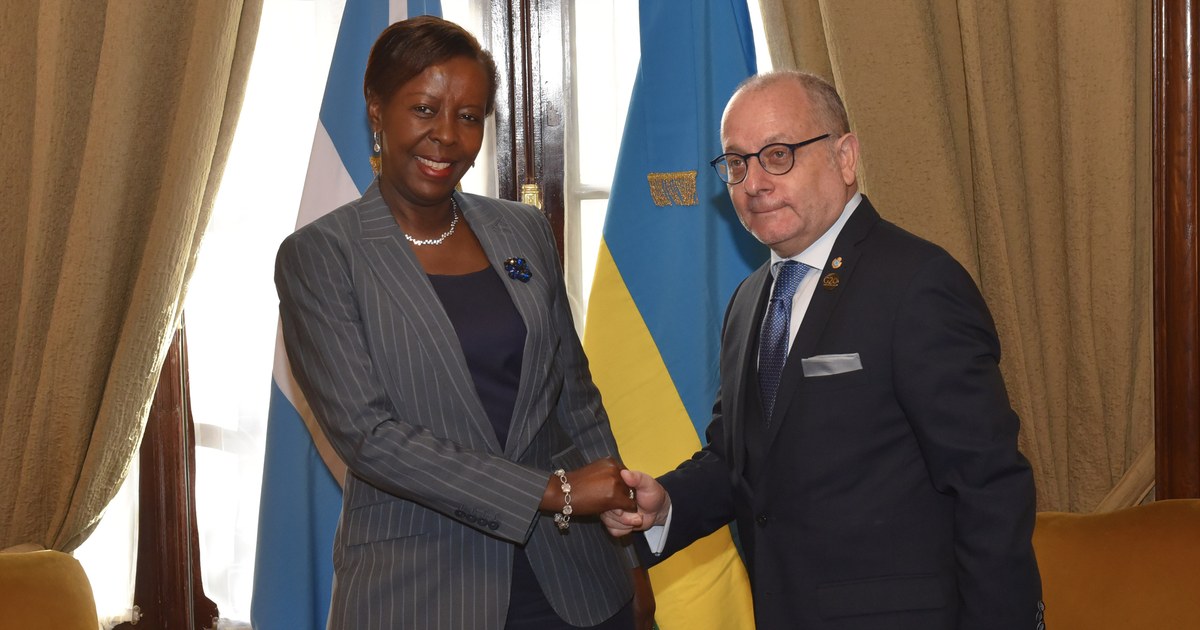

The Francophonie summit in Phnom Penh ended on Monday with leaders extending Louise Mushikiwabo’s term as secretary-general by one year, after a dispute between DR Congo and Rwanda blocked agreement on a successor or a vote.
The compromise keeps DR Congo, the largest French-speaking country by population, inside the Organisation internationale de la Francophonie (OIF), which it had threatened to leave if Mushikiwabo, a former Rwandan foreign minister, won a third term.
What did the Francophonie summit decide?
Heads of state and government agreed neither on a candidate nor on holding a vote, according to the summit’s closing communiqué, Actualite.cd reported. They accepted a proposal from Cambodia, which chaired the meeting, to extend the secretary-general’s mandate by twelve months. During that time she is to clarify the organisation’s electoral rules before an election in 2027, and she will leave office at the end of the transition.
The Francophonie summit, held from 15 to 16 November under the theme of reinvesting in peace, adopted three texts: the Phnom Penh Declaration, a resolution on crises and peacebuilding, and an appeal on protecting cultural heritage. The next summit will be held in Ottawa in 2028, with Canadian Prime Minister Mark Carney placing it under the theme of making French-language content discoverable in the age of artificial intelligence, the communiqué said.
France’s presidency welcomed the one-year postponement, saying it would let the organisation “overcome divisions and preserve the consensus in the francophone family”, AP reported. France is the largest contributor to the OIF’s 2026 budget of €71.7mn.
What do DR Congo and Rwanda say?
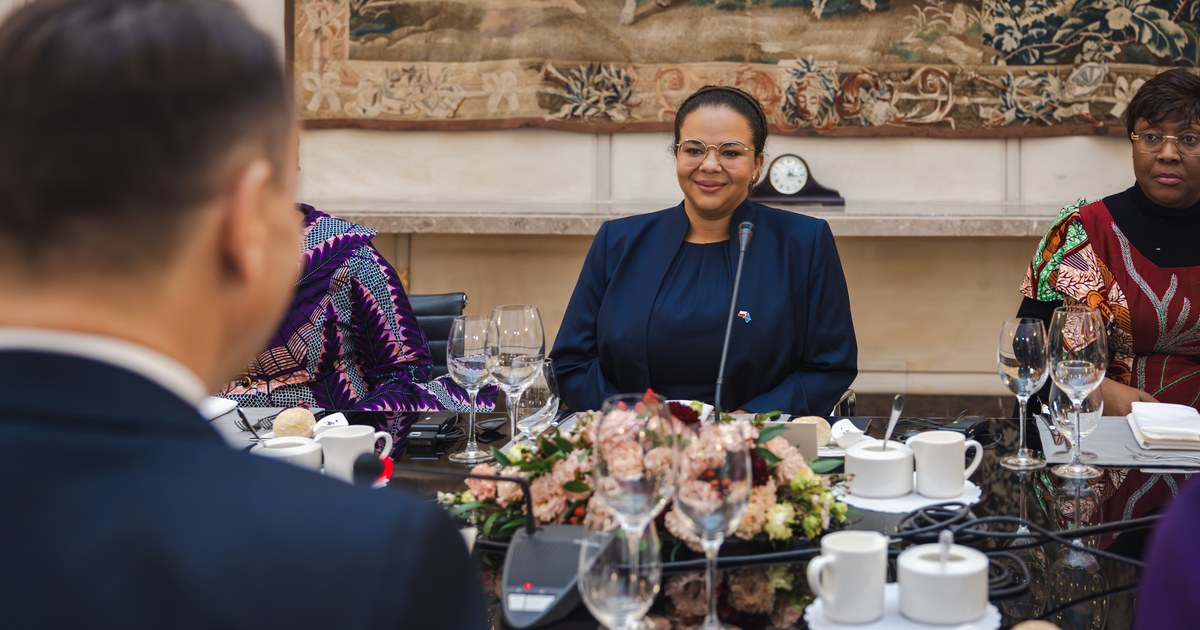
DR Congo’s foreign minister, Therese Kayikwamba Wagner, said the summit had found that the OIF’s rules “lacked clarity and precision”, and that Kinshasa had “every interest in remaining within the Francophonie” to help revise them. “She will leave in twelve months. Full stop. This is non-negotiable,” she said, adding that Rwanda had undertaken not to field a candidate at the next election. On X she called the outcome “a wise compromise”. Her remarks were made in French and translated by DNE Africa.
Rwanda’s presidency said the transition would allow the OIF to refocus on its mission and help end what it called petty disagreements. Its message did not address whether Rwanda would put forward a future candidate, Actualite.cd reported. Mushikiwabo herself told reporters that tensions between DR Congo and her country might be better left on the shores of Lake Kivu than taken to the Mekong or the Seine.
The resolution on crises expressed concern about the situation in eastern DR Congo and praised a fact-finding mission sent by the secretary-general at Kinshasa’s request, but did not name Rwanda, Actualite.cd noted. DR Congo, the US and UN experts accuse Rwanda of backing the M23 rebels in the east; Rwanda denies supporting armed groups in DR Congo.
Why did the Francophonie summit leadership race matter?
The OIF has 90 member states and governments, including 53 full members, and much of its French-speaking population is in Africa. DR Congo, with more than 110mn people, has a larger population than France. Its departure would have been a serious blow to the organisation, which has already lost Mali, Niger and Burkina Faso, whose withdrawals were announced in March 2025 after their suspensions over military coups.
Mushikiwabo faced two rivals: a candidate from Mauritania and Romania’s Dacian Ciolos, whom DR Congo had signalled it might support. The row overshadowed the meeting from the start, as DNE Africa reported when the Francophonie summit opened.
What happens next?
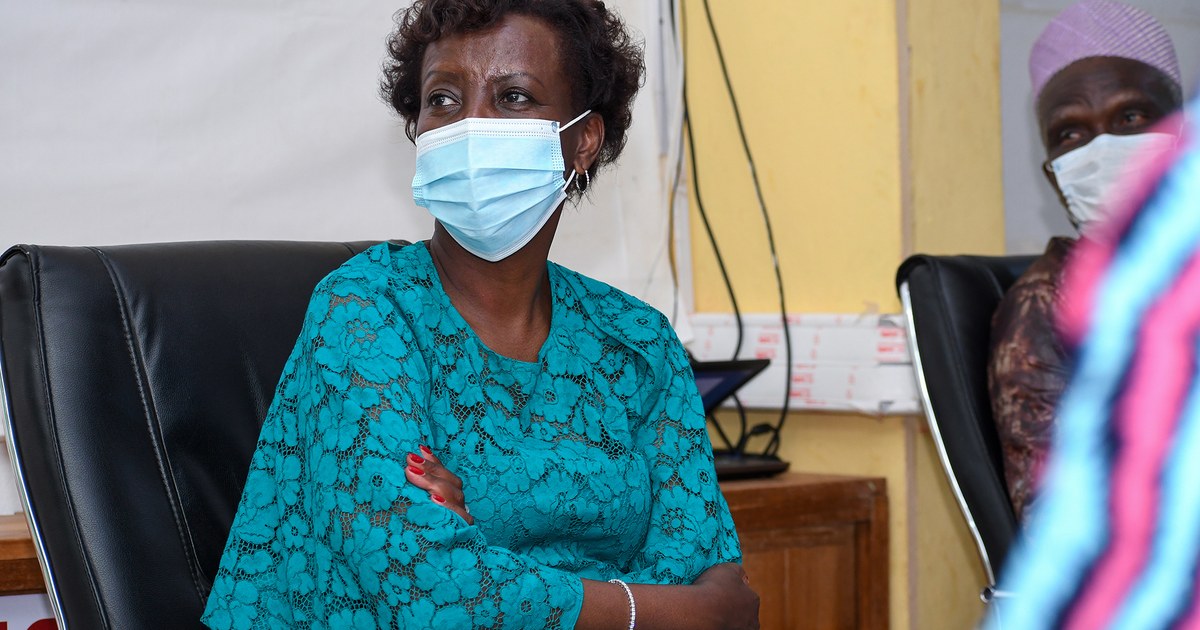
After the Francophonie summit, the secretary-general has a year to propose clearer rules for electing her successor, which member states must accept before a vote in 2027. Candidates are likely to be tested on whether they can keep both Kinshasa and Kigali on board. The OIF is expected to publish the final texts of the Phnom Penh summit on its website.
FAQ
Who leads the Francophonie after the Phnom Penh summit?
Louise Mushikiwabo stays as secretary-general for one more year. Leaders extended her mandate by twelve months, after which she will leave office.
Why did the Francophonie summit not elect a secretary-general?
Leaders agreed neither on a candidate nor on a vote, after DR Congo opposed a third term for Mushikiwabo, a Rwandan, and threatened to leave the OIF.
When is the next Francophonie summit?
The 21st summit will be held in Ottawa, Canada, in 2028, preceded by a youth pre-summit in New Brunswick.
Is DR Congo leaving the OIF?
No. Its foreign minister said DR Congo will stay to help reform the organisation’s electoral rules.


