


Nigeria’s foreign ministry has warned citizens with heart and lung conditions to take medical advice before any Addis Ababa transit, after its mission in Ethiopia recorded 16 Nigerian deaths there this year.
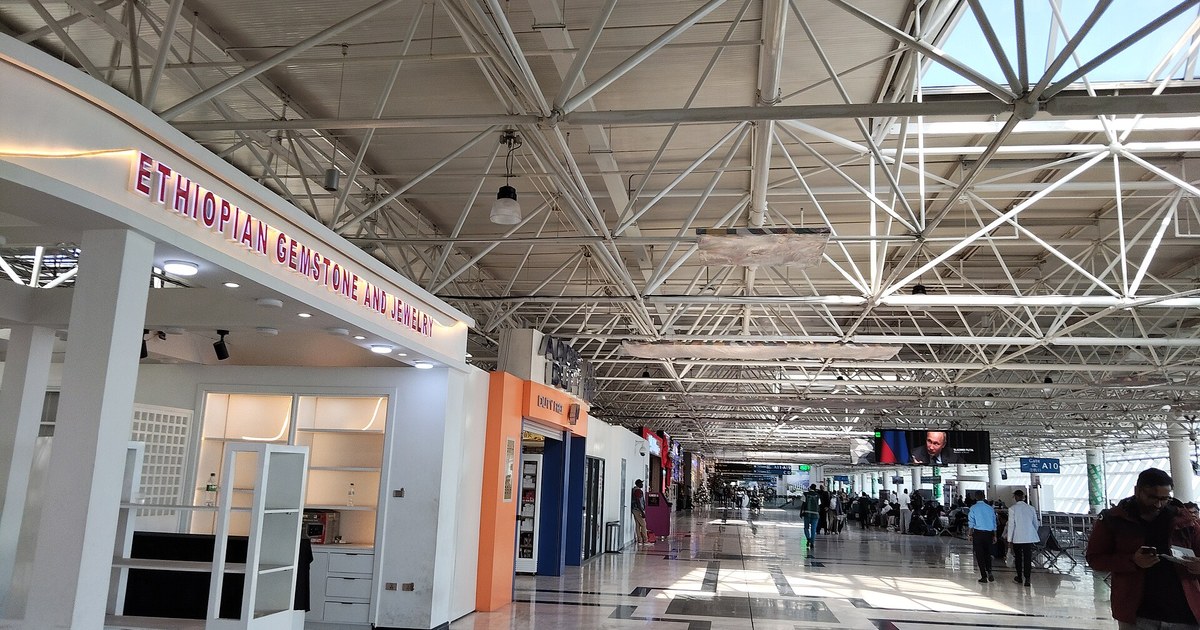
The advisory touches one of Africa’s busiest air hubs. Bole International Airport, home of Ethiopian Airlines, links West Africa with the Gulf, Asia and the Americas, and many Nigerian travellers change planes there.
What did Nigeria’s foreign ministry say about Addis Ababa transit?
Oluwafemi Adeniyi, the ministry’s spokesperson, said in a statement on Friday that Nigeria’s diplomatic mission in Addis Ababa had recorded 16 deaths this year involving Nigerians passing through the city, “reportedly linked to health complications associated with high altitudes”, Peoples Gazette reported.
Travellers with conditions that altitude can worsen were “strongly advised to exercise caution” when planning journeys involving Addis Ababa transit, and to obtain medical guidance first, the statement said.
The Ministry of Foreign Affairs did not name the people who died or give individual causes of death, the BBC reported. The link to altitude is therefore the ministry’s assessment, not a finding published by doctors or coroners.
The ministry stressed that it was not trying to discourage Nigerians from travelling to or through the Ethiopian capital. It is an advisory, not a ban, and it does not apply to healthy passengers.
Why does altitude matter for passengers in transit?
Addis Ababa sits about 2,355 metres above sea level, according to the ministry’s statement. The airport itself is at 2,334 metres, making it one of the highest major airports in the world.
At that height lower air pressure means less oxygen reaches the blood. Healthy people usually adapt, the ministry said, but those with cardiovascular or respiratory disease face greater risk.
Aircraft cabins are already pressurised to the equivalent of a moderate altitude, so a long layover at a high-altitude hub adds to the strain for vulnerable passengers. Medical guidance in many countries advises people with serious heart or lung conditions to consult a doctor before travel to high places.
How important is Addis Ababa transit for Nigerian travellers?
Ethiopian Airlines, Africa’s largest carrier by fleet and network, runs frequent flights from Lagos, Abuja, Kano and Enugu. For many Nigerians, Addis Ababa transit is the cheapest route to destinations in East Africa, the Gulf, China and North America.
The airline has made the city a continental connecting hub, which means passengers from across West Africa can spend hours on the ground there between flights. Its network has faced other disruption this year, including a suspension of flights to Tigray in September.
Neither Ethiopian Airlines nor the Ethiopian government had commented publicly on the Nigerian advisory by Saturday evening, as far as DNE Africa could establish.

What happens next?
The ministry said it wanted travellers with existing conditions to plan routes with their doctors. It did not say whether it would ask airlines to share health information with passengers booked through Ethiopia, or whether its mission would publish further figures.
Air travel advisories of this kind are rare between African governments. Travellers will watch whether other countries with large numbers of passengers through Bole, or health authorities, issue similar guidance. Global aviation has also been under scrutiny this week after a nationwide ground stop in the United States.
FAQ
Has Nigeria banned Addis Ababa transit?
No. The foreign ministry issued an advisory urging travellers with heart and lung conditions to seek medical advice first. It said it was not discouraging travel through the city.
How many Nigerians died during Addis Ababa transit this year?
Sixteen, according to Nigeria’s diplomatic mission in Addis Ababa. The ministry did not name them or publish causes of death.
How high is Addis Ababa?
About 2,355 metres above sea level according to the ministry, with Bole International Airport at 2,334 metres.
Who is most at risk from high altitude?
People with cardiovascular and respiratory diseases, the ministry said. Healthy travellers usually adapt to the lower oxygen levels.


