
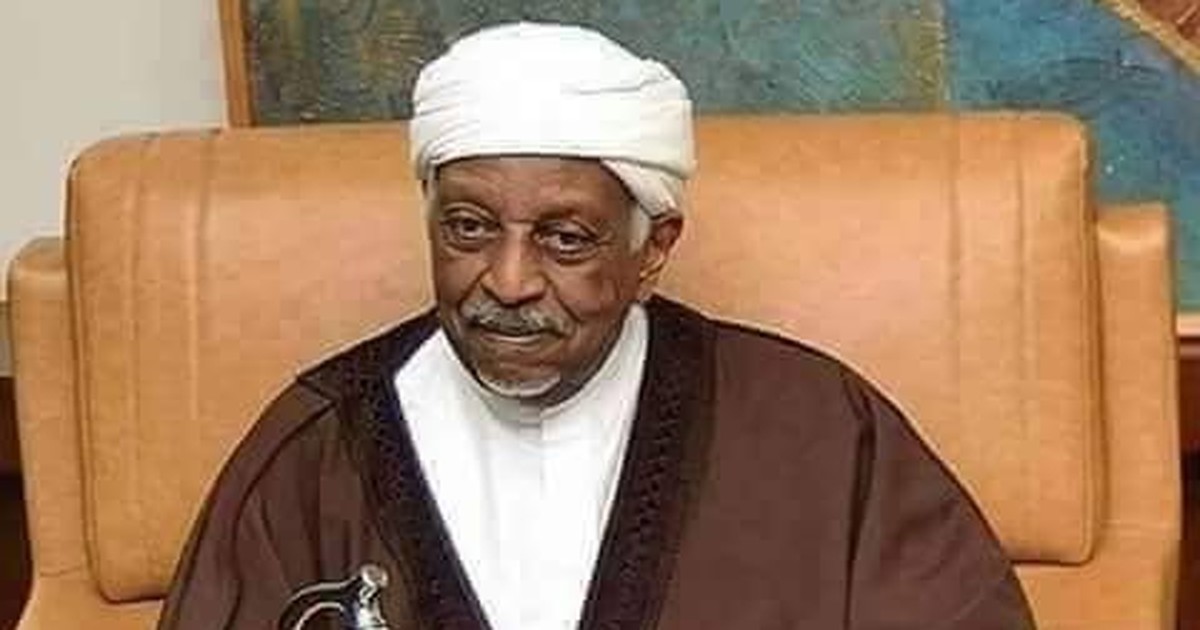

Mohamed Osman al-Mirghani, spiritual guide of Sudan’s Khatmiyya Sufi order and leader of the Democratic Unionist Party (Original), died in Cairo on Friday 13 November aged about 90, his office, the party and the order said.
His death removes one of the last figures of the generation that shaped Sudanese politics after independence, at a time when the country’s civilian parties are sidelined by a war now in its fourth year. He is to be buried on Monday in Khartoum Bahri, the party said.
What is known about al-Mirghani’s death?
The Khatmiyya authority announced the death in a statement, saying he died “after a career full of great works in the service of religion and the nation”, Sudan Tribune reported in Arabic. No cause was given.
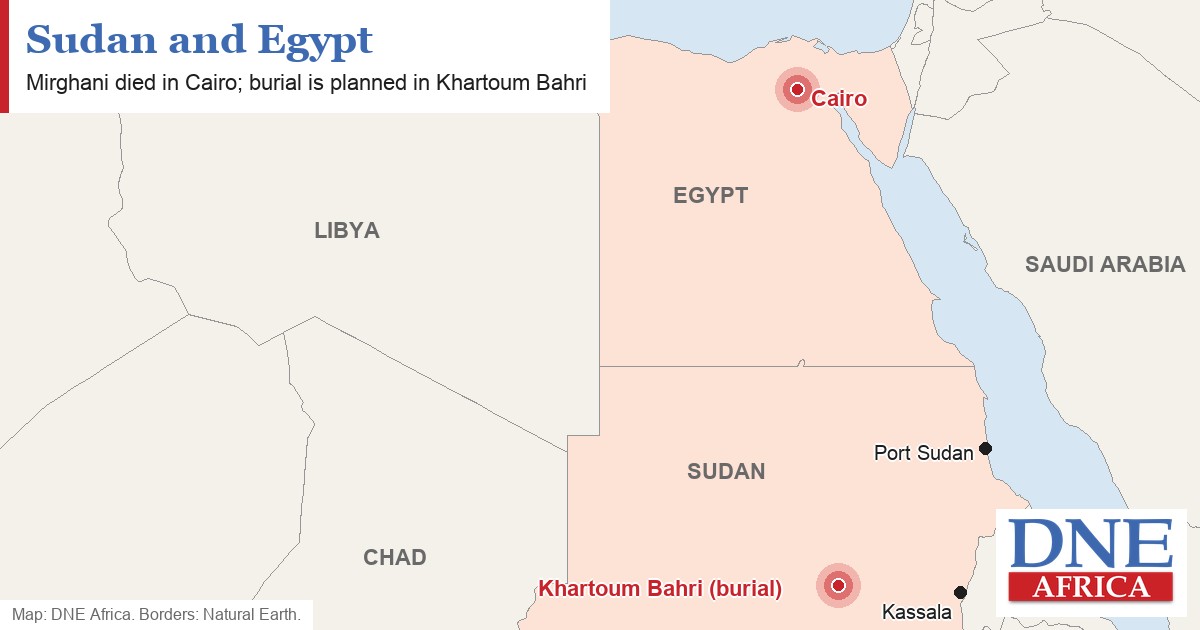
Accounts of where he died differ. Sudan Tribune said he died at Cleopatra Hospital in Cairo, where he had been receiving treatment. The Egyptian weekly Al-Osboa, citing the order’s statement, said he died at his home in the city.
Abdel Fattah al-Burhan, the head of Sudan’s Sovereignty Council and army chief, and the council’s members mourned him and praised his political, religious and national record, Al-Osboa reported.
When and where is the funeral?
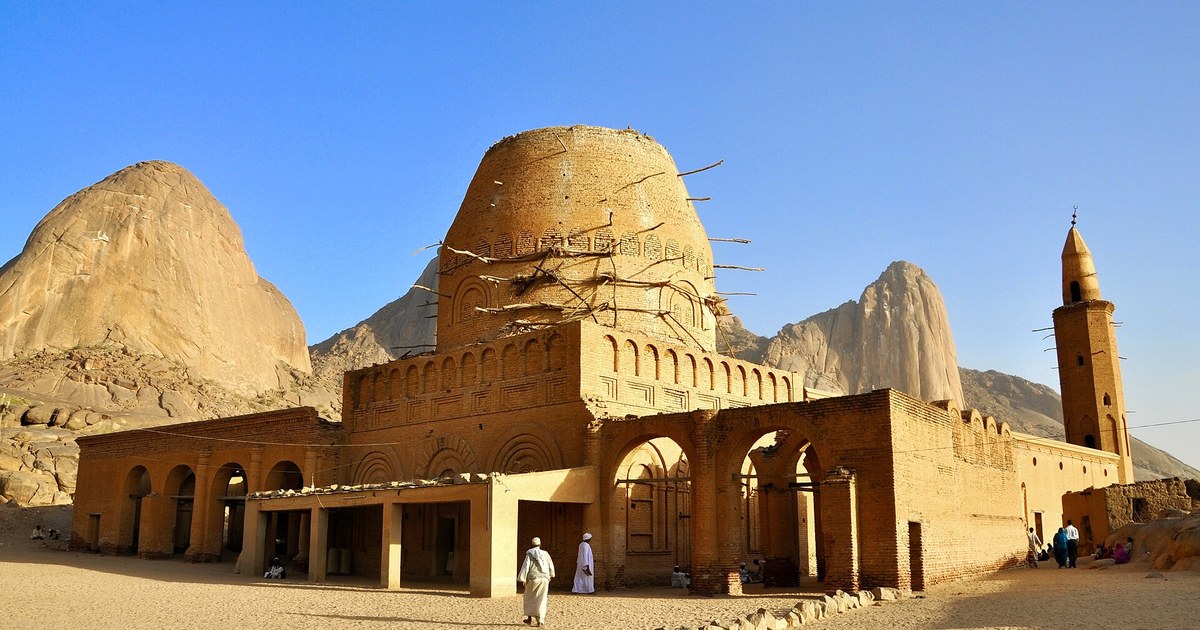
Mohamed Sayed Ahmed Sir al-Khatim, a senior figure in the party, said funeral arrangements in Khartoum would begin on Sunday and that the burial would take place on Monday at the Sayed Ali al-Mirghani mosque in Khartoum Bahri, according to Sudan Tribune. The timing is meant to allow followers of the order and party members to attend.
The family will receive condolences on Sunday evening at the Tiba villa in Cairo, his office said. The Khatmiyya authority told the order’s representatives and followers inside and outside Sudan to open its mosques and lodges to receive mourners, and said details of the funeral rites would follow.
Who was Mohamed Osman al-Mirghani?
He was born in 1936 in Khartoum Bahri, the son of Ali al-Mirghani, the religious and political leader whose family has headed the Khatmiyya for generations. The order is one of the largest Sufi movements in Sudan, and the Democratic Unionist Party grew out of its following.
The sources give different dates for the start of his party leadership: Sudan Tribune puts it at 1982, while Al-Osboa says he succeeded his father in 1968. Both describe him as one of the most prominent political and religious figures in the country for decades.
In November 1988 he signed an agreement with John Garang, the leader of the Sudan People’s Liberation Movement, in an attempt to end the civil war in the south. After the 1989 coup that brought Omar al-Bashir to power, he led the National Democratic Alliance, the opposition coalition.
He spent long periods in Egypt. He left Sudan in September 2013 and ran the party from Cairo before returning to Khartoum in November 2022, Al-Osboa said. The outbreak of war in April 2023 sent him back to Cairo, according to Sudan Tribune, which said calls for national accord and an end to wars ran through his public statements.
What does his death mean for Sudan’s politics?
The party and the order have not said who will succeed al-Mirghani in either role. The Democratic Unionist Party has split into several factions over the years, and “Original” in its name distinguishes the wing he led from the others.
The succession comes as fighting continues between the army and the Rapid Support Forces. On the day of his death, officials said the army had retaken El Khuwei in West Kordofan, and Sudan was among the subjects of Egypt-US talks held in the United Arab Emirates. The war has displaced about 13mn people, according to UN estimates.
FAQ
Who was al-Mirghani?
Mohamed Osman al-Mirghani was the spiritual guide of the Khatmiyya Sufi order and the leader of Sudan’s Democratic Unionist Party (Original). He was born in 1936.
When and where did he die?
He died in Cairo on Friday 13 November 2026, aged about 90. Reports differ on whether he died in hospital or at home, and no cause was announced.
Where will al-Mirghani be buried?
The party said he would be buried on Monday at the Sayed Ali al-Mirghani mosque in Khartoum Bahri, with funeral arrangements starting on Sunday.
Who will succeed him?
Neither the party nor the Khatmiyya order has announced a successor.


