
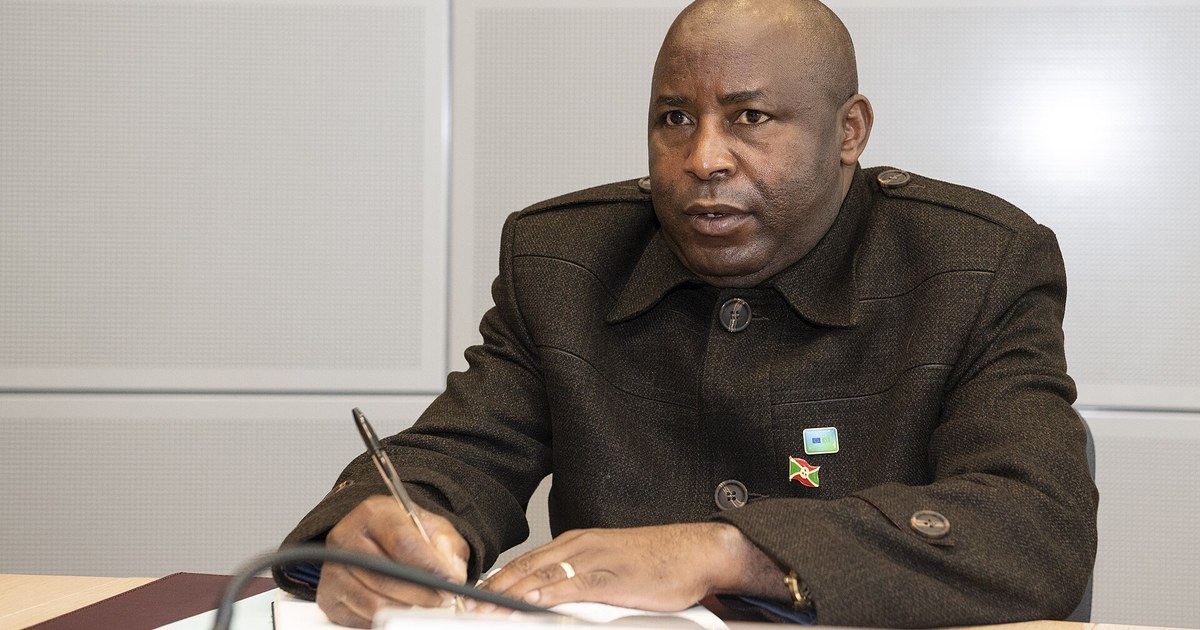

Eleven small parties have agreed to campaign for President Evariste Ndayishimiye in the Burundi election on 3 May 2027, as the window for candidates to file nomination papers opened on Friday 13 November.
The endorsement adds to the ruling party’s dominance before a Burundi election in which the main opposition force, the National Congress for Liberty (CNL), has been sidelined. None of the 11 parties holds a seat in parliament, according to the independent outlet SOS Medias Burundi.
Which parties are backing Ndayishimiye in the Burundi election?
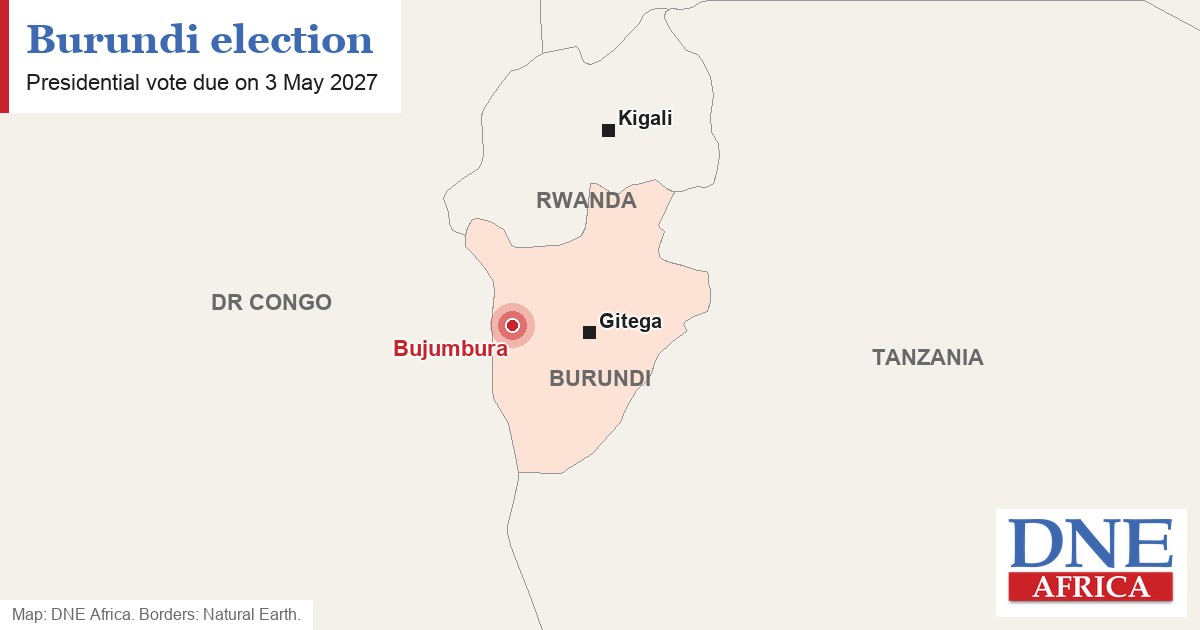
The parties announced their decision on Tuesday 10 November after a meeting in Bujumbura, the commercial capital, Anadolu Agency reported. In a joint statement, the group, which includes Frolina, Kaze-FDD and Radebu, said its members would join forces and run a joint campaign for the candidate of the ruling CNDD-FDD.
They cited Mr Ndayishimiye’s record on fighting corruption, preserving national sovereignty and maintaining security. They also pledged to contribute expertise and to mobilise voters.
Mr Ndayishimiye welcomed the move on his X account as “a new milestone for Burundian democracy”, SOS Medias Burundi reported. The CNDD-FDD nominated him in April.
How much weight do the 11 parties carry?
Little, on the evidence of the last vote. In the legislative elections of June 2025 the CNDD-FDD won all 100 directly elected seats in the National Assembly with 96.5 per cent of the vote, and none of the 11 parties won a seat, SOS Medias Burundi said. Uprona, the next largest party, took 1.38 per cent.
The outlet, which is run by Burundian journalists working largely from exile, said the CNL had been prevented from taking part in that election. The government has previously denied restricting the opposition. DNE Africa could not independently verify either account.
Africa Briefing, a pan-African news site, said the endorsement did not amount to a collective decision by the opposition to abandon the Burundi election.
What are the rules for the Burundi election?
Candidates must submit their papers to the Independent National Electoral Commission between 13 and 22 November, under a decree issued by the presidency, Anadolu said. The 2018 constitution gives the president a seven-year term and allows no more than two consecutive terms.
Mr Ndayishimiye, a former army general, has been in office since June 2020, after the death of his predecessor, Pierre Nkurunziza. A second term would run to 2034.
The CNDD-FDD, a former rebel movement, has governed since 2005, after a civil war that began in 1993 and killed an estimated 250,000 to 300,000 people, according to UN figures. Political space narrowed after 2015, when Mr Nkurunziza’s bid for a third term set off a crisis.
What is the economic backdrop?
Voters in the Burundi election face fuel shortages, inflation and a lack of foreign currency. Income per person was about $234 in 2025, among the lowest in the world, according to World Bank data cited by SOS Medias Burundi.
Burundi also has troops in eastern Democratic Republic of Congo, where fighting has intensified and the UN has widened its sanctions list. Other votes are approaching in the region, including elections in Cameroon in February.
The electoral commission is due to publish the list of approved candidates after the filing period ends. No opposition party had announced a candidate for the Burundi election in the reports reviewed.
FAQ
When is the Burundi election?
The presidential election is scheduled for 3 May 2027. Nomination papers can be filed from 13 to 22 November 2026.
Who is the ruling party’s candidate?
President Evariste Ndayishimiye, nominated by the CNDD-FDD in April. He has been in office since June 2020.
Do the 11 parties have seats in parliament?
No. None won a seat in the June 2025 legislative elections, in which the ruling party took all 100 directly elected seats.
How long is a presidential term in Burundi?
Seven years under the 2018 constitution, with a limit of two consecutive terms.


