
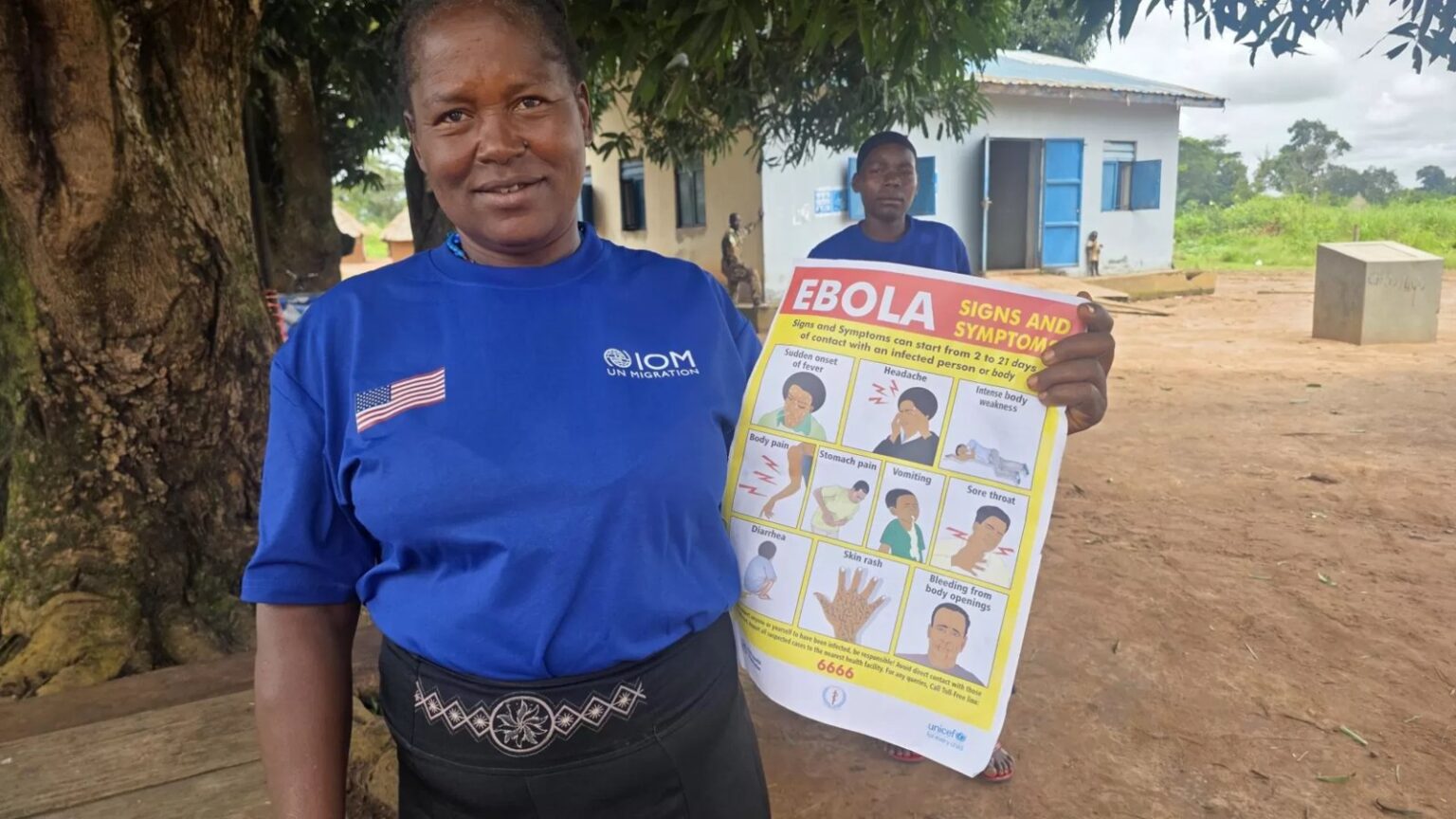

The World Health Organization has raised its estimate of the South Sudan Ebola importation risk to 99 per cent, up from 67 per cent in June, although the country has not confirmed a single case.
The estimate, made in October, matters because a national drill last month showed South Sudan can detect Bundibugyo virus disease but cannot yet contain it safely, according to a statement from the WHO Regional Office for Africa. The outbreak across the border in the Democratic Republic of Congo has passed 11,000 cases, the Congolese health ministry has said.
Why is the South Sudan Ebola risk rising?
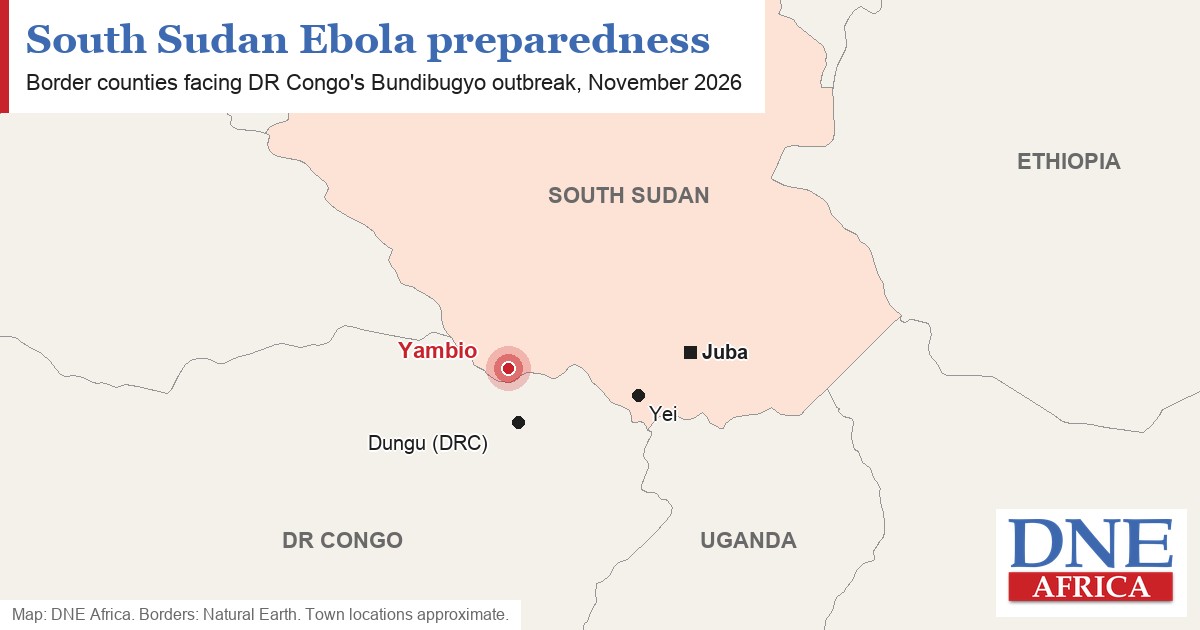
WHO said the risk is driven by porous borders, cross-border trade, population movement, humanitarian displacement and major transport corridors along the western and southern frontier with Congo. It said the virus was recently detected in Nagero, in Congo’s Dungu health zone, which brings the outbreak closer to Western Equatoria State.
A joint assessment by health authorities and partners in September identified 3,450 people who had crossed into South Sudan from Congo, WHO said. In the border town of Nabanga, residents told the agency they were worried by the arrivals.
“When I see people crossing from the DRC, I become worried,” Yoane Fermon, a Nabanga resident, was quoted as saying. Alex Samuel, a community chief in the town, said people needed clear information on how to protect themselves and to avoid discrimination against those crossing the border.
How ready is the South Sudan Ebola response?
National readiness for a South Sudan Ebola case stood at 72.5 per cent at the end of October, with scores varying across 11 response areas, WHO said. Assessments below national level, which use the same WHO tool, found mean scores rising from 41 per cent in June to 56 per cent in September.
Surveillance recorded 76 alerts by 30 October. All were investigated, WHO said: 33 samples tested negative at the National Public Health Laboratory and the remainder were discarded.
Between May and October, 150 health workers were trained in Ebola case management in 15 priority counties, and temporary infectious disease units were set up in eight of them. WHO and its partners said they reached nearly half a million people in Yambio with health messages through chiefs, religious leaders, local-language materials and radio.
What gaps did the South Sudan Ebola drill expose?
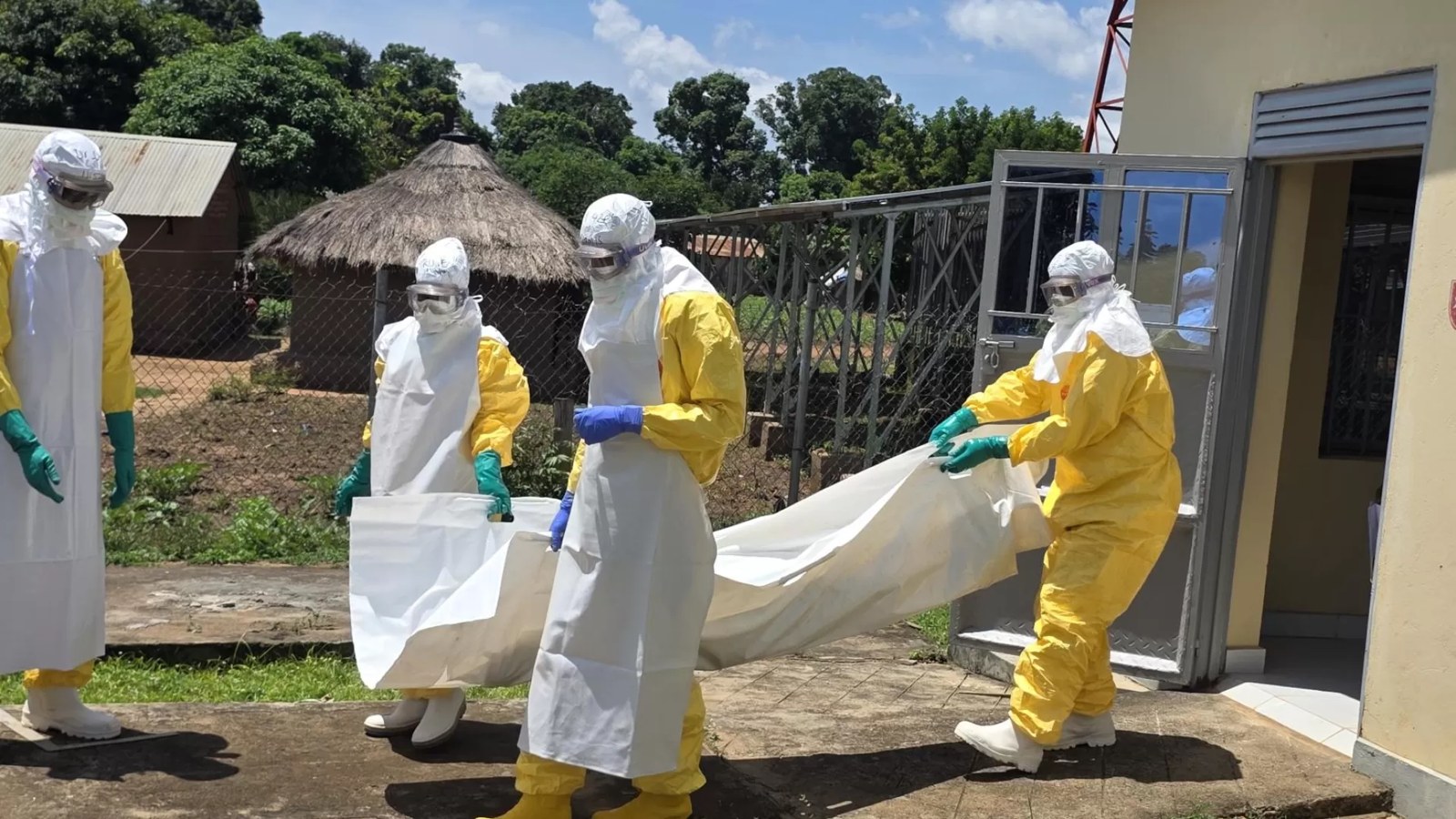
A full-scale exercise held from 19 to 24 October showed the country “can detect BVD but cannot yet contain it safely”, WHO said, using the abbreviation for Bundibugyo virus disease. The UN children’s agency Unicef separately described the exercise as a preparedness milestone and called for more investment in community surveillance and health facility readiness.
Dr Moses Ongom, the officer in charge of WHO’s South Sudan office, said progress in Yambio and Nzara showed what co-ordinated support could achieve. “We now need to close the remaining gaps,” he said, citing infection prevention supplies and the safe referral of patients.
WHO listed further needs: alert management below national level, contact management, sample packaging, chlorination, a mobile laboratory and protective equipment. It did not put a cost on them. Funding is under strain across the response. Médecins Sans Frontières said this week that responders in Congo had gone unpaid.
What happens next?
The health ministry is working under a national preparedness plan and the temporary recommendations of the International Health Regulations emergency committee, WHO said. Dr Ader Macar Achiek, acting executive director of the National Public Health Institute, thanked frontline workers for responding to the suspected alerts.
WHO said the South Sudan Ebola effort has been supported by the European Union’s humanitarian arm, Echo, and Britain’s Foreign, Commonwealth and Development Office. It said concentrating on the counties bordering Congo made sense but the risk of importation remained nationwide. In Kenya, the last Ebola patient was discharged this week.
FAQ
Has the South Sudan Ebola risk produced any confirmed cases?
No. South Sudan has not reported a confirmed case of Bundibugyo virus disease, according to WHO. All 76 alerts recorded by 30 October were investigated and none was confirmed.
What is Bundibugyo virus disease?
It is a form of Ebola disease caused by the Bundibugyo virus. The current outbreak is centred in the Democratic Republic of Congo.
How high is the South Sudan Ebola importation risk?
The WHO Regional Office for Africa estimated it at 99 per cent in October 2026, up from 67 per cent in June.
How prepared is the South Sudan Ebola response?
WHO put national readiness at 72.5 per cent at the end of October, and said a simulation showed the country could detect the disease but not yet contain it safely.


