
CAIRO – Egypt, the United Nations and the European Union have highlighted the results of a joint programme supporting refugees, asylum seekers, migrants and host communities, as international partners called for greater responsibility-sharing and sustained investment in public services.
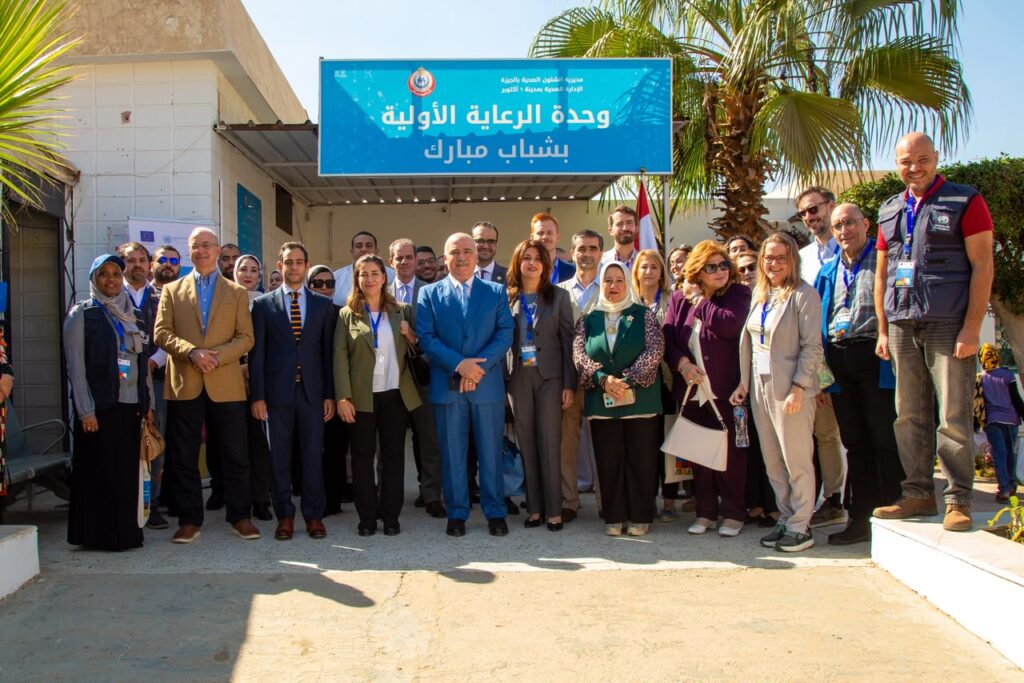
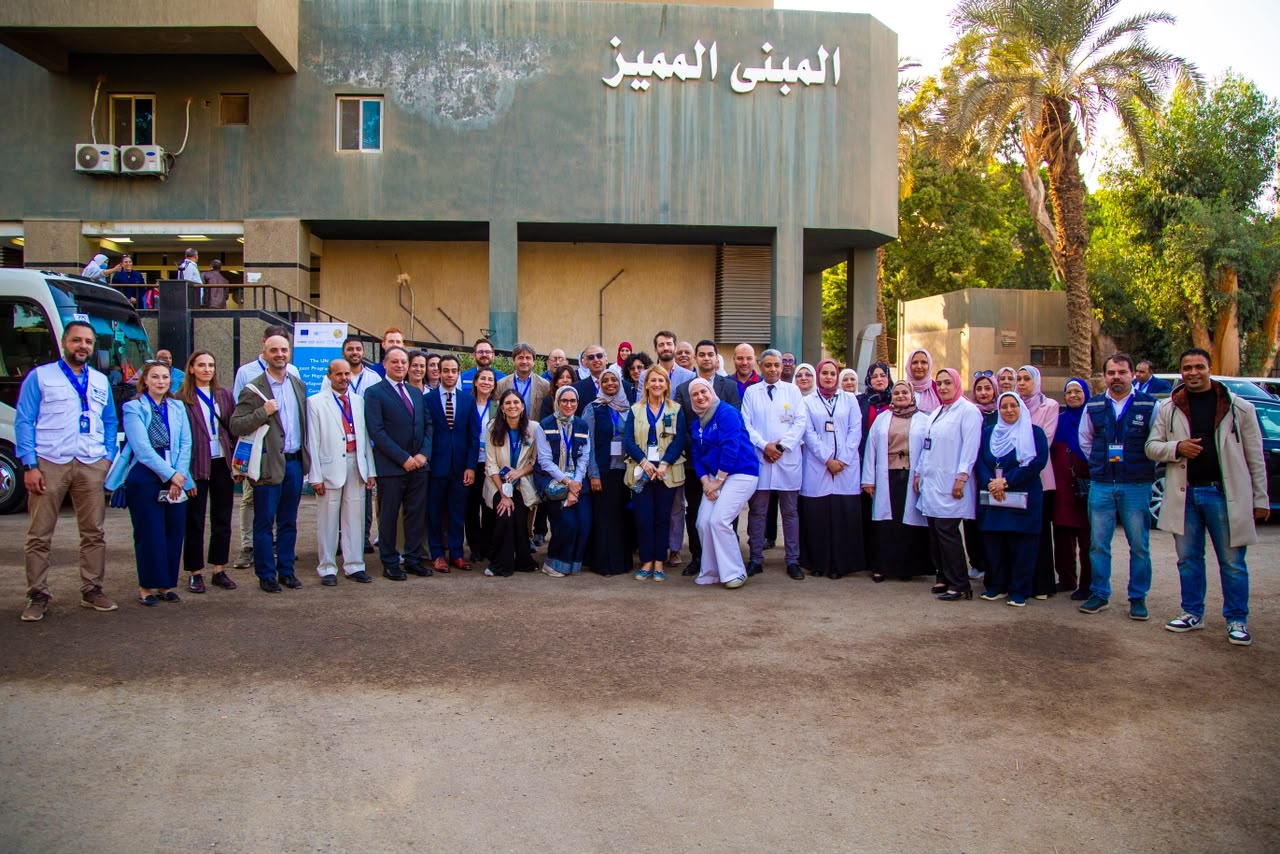
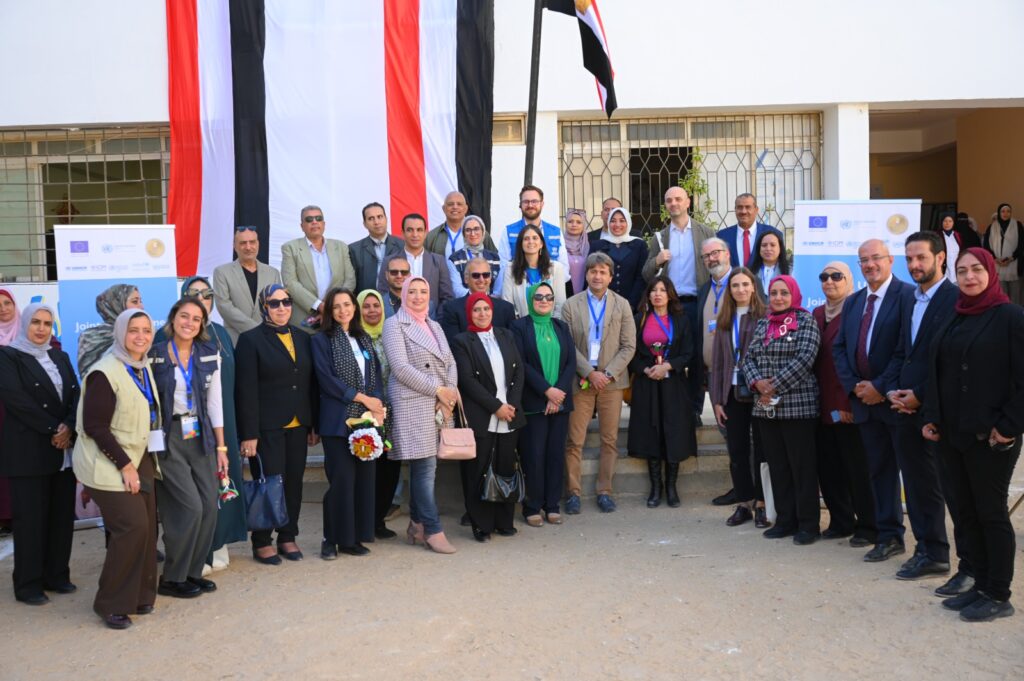
A high-level delegation led by Neveen Elhusseiny, Assistant Foreign Minister for Migration, and Gianluca Rampolla del Tindaro, UN Resident Coordinator (UNRC) in Egypt, conducted a field visit on Nov. 11 to education and healthcare facilities in 6th of October City and Omraneya that have been rehabilitated under the EU-funded programme.
The visit brought together senior Egyptian officials, representatives of UN agencies and heads of cooperation from partner missions to assess the programme’s impact and examine how international cooperation can strengthen national systems while improving access to essential services for refugees and migrants and the communities hosting them.
The delegation reaffirmed its support for the programme and commended its partnership with Egypt’s ministries of Health and Population, and Education and Technical Education.
Egypt hosts 1.1 million registered refugees and asylum seekers, alongside several million migrants, including people in vulnerable situations, according to the programme statement.
Launched in 2024 under the Joint Platform for Migrants and Refugees, the programme is a partnership between the Egyptian government, the United Nations and development partners. It is implemented by the UN Refugee Agency (UNHCR), the International Organization for Migration (IOM), the World Health Organization (WHO), the UN Children’s Fund (UNICEF) and the World Food Programme (WFP).
Since its launch, the programme has reached more than 500,000 people, supported 120 schools and strengthened 56 public health facilities across Egypt.
It has also provided education services to more than 162,000 students and trained over 2,500 healthcare professionals. Its activities include raising nutrition awareness, improving maternal and child nutrition, supporting food security and expanding access to protection services.
The programme has delivered protection services to 85,200 people and promoted social cohesion among refugee, migrant and host-community children and adults.
“Today’s visit demonstrates the importance of translating international solidarity into tangible investments that benefit both refugees and migrants and the community hosting them,” Elhusseiny said.
She affirmed that responsibility-sharing should extend beyond humanitarian assistance to include sustained support for national systems and public services, strengthening the resilience of host communities.
Rampolla del Tindaro said the visit demonstrated the impact of cooperation between the Egyptian government, the United Nations and development partners in delivering support to vulnerable populations.
“At a time of growing needs and increasing pressure on national systems, enhanced international responsibility-sharing is essential to build on these results and reinforce Egypt’s capacity to provide inclusive services for all,” he said.
Dr Sebastien Lorion, Team Leader at the European Union Delegation to Egypt, reaffirmed the bloc’s commitment to supporting Egypt in addressing migration challenges amid an increasingly volatile regional environment.
Through the joint programme, the EU is helping Egyptian authorities build resilient local systems that serve vulnerable populations and the host communities welcoming them, he said.
The visit highlighted the role of sustained international funding and cooperation in strengthening Egypt’s education and healthcare systems, expanding protection services and promoting social cohesion as the country responds to the needs of refugees, migrants and host communities.