
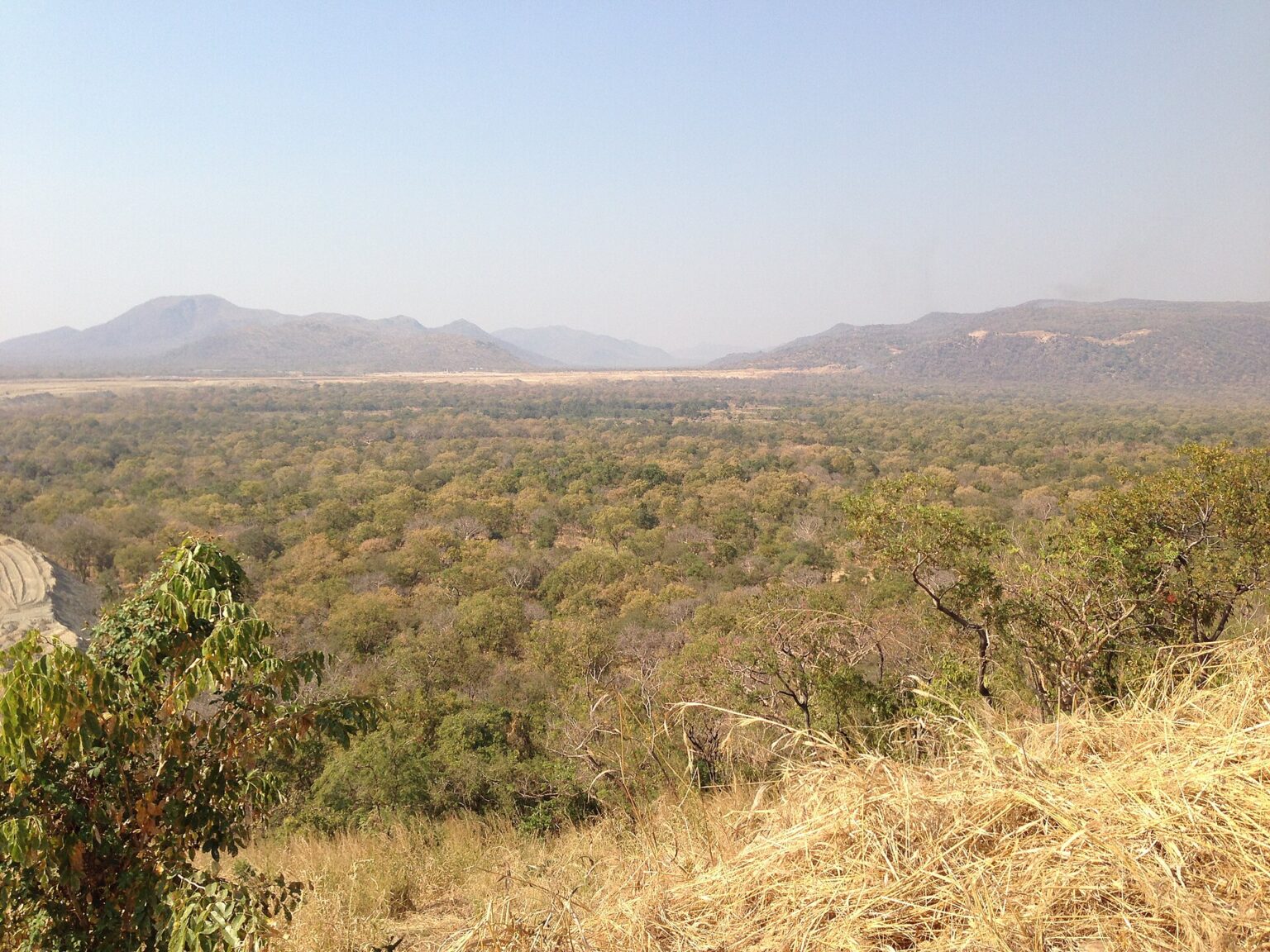

The Dalati attack in Ethiopia’s Benishangul-Gumuz region on 5 and 6 November killed at least 52 people, according to the regional police commissioner, and more than 65 according to residents.
Residents told Addis Standard that more than 65 people, including at least 27 civilians, died in the Dalati attack in Assosa Zone, while several local reports put the toll above 100. Addis Standard could not verify the higher figures. This is an analysis of the aftermath, as the first reports date from 9 November.
What happened in the Dalati attack?
The attacks targeted regional anti-riot police, local militias and special forces, as well as civilians including women and children, residents told Addis Standard. About 45 of the dead were members of the region’s security forces, residents said.
“The attackers were heavily armed men. Some of them were wearing the former security uniform of the region,” one eyewitness said. Another said the fighting lasted almost two days with no intervention from federal forces. Those accounts have not been independently verified, and the federal government has not commented in the material reviewed.
France 24 also reported at least 65 dead in violent clashes near the Sudanese border.
What does the regional government say?
Benishangul-Gumuz Regional State Police Commission Commissioner Mohammed Idriss confirmed the attack to BBC Amharic, saying it began at about 5am on Thursday. He attributed it to the armed group the government calls “OLF-Shene”, and said Dalati borders the neighbouring Oromia region.
His breakdown listed 21 civilians, 18 anti-riot police officers and 13 local militia members among the casualties. That adds up to 52 deaths, lower than the residents’ account, Addis Standard noted. The regional government had not issued an official statement at the time of publication.
“OLF-Shene” is the government’s term. Addis Standard said the Oromo Liberation Army has repeatedly denied involvement in the conflicts in the region’s Metekel and Kamashi zones. No response from the group named by the police was found for this article. The motives and alliances of armed groups in the region have varied over time, Addis Standard said.
Why is Benishangul-Gumuz prone to violence?
The region has seen recurrent armed violence, counterinsurgency operations and displacement. Metekel and Kamashi zones have been the main areas affected, though insecurity has also reached Assosa Zone, according to Addis Standard. Regional authorities signed an agreement with the Gumuz People’s Democratic Movement in October 2022 and with the Benishangul People’s Liberation Movement in December 2022. They declared peace agreements with remaining elements of both groups concluded in June 2024, but sporadic attacks have continued.
The Ethiopian Human Rights Commission, a state-created but independent body, publishes reports on attacks of this kind. Access for independent journalists to the area is limited, so figures from the region are hard to check. DNE Africa has explained Ethiopia’s multiple armed fronts and reported on the displacement of Ethiopians into Kenya.
What happens next?
The key questions are the final death toll, who carried out the Dalati attack, and whether the federal government will issue its own account. An independent count by the human rights commission or the United Nations would help settle the gap between 52 and more than 100.
FAQ
How many people died in the Dalati attack?
The regional police commissioner listed 52 dead. Residents said more than 65, and local reports put the figure above 100, which Addis Standard could not verify.
Who does the government blame for the attack?
The regional police commissioner blamed the armed group the government calls “OLF-Shene”. The Oromo Liberation Army has denied involvement in the region’s conflicts, according to Addis Standard.
Where did the Dalati attack happen?
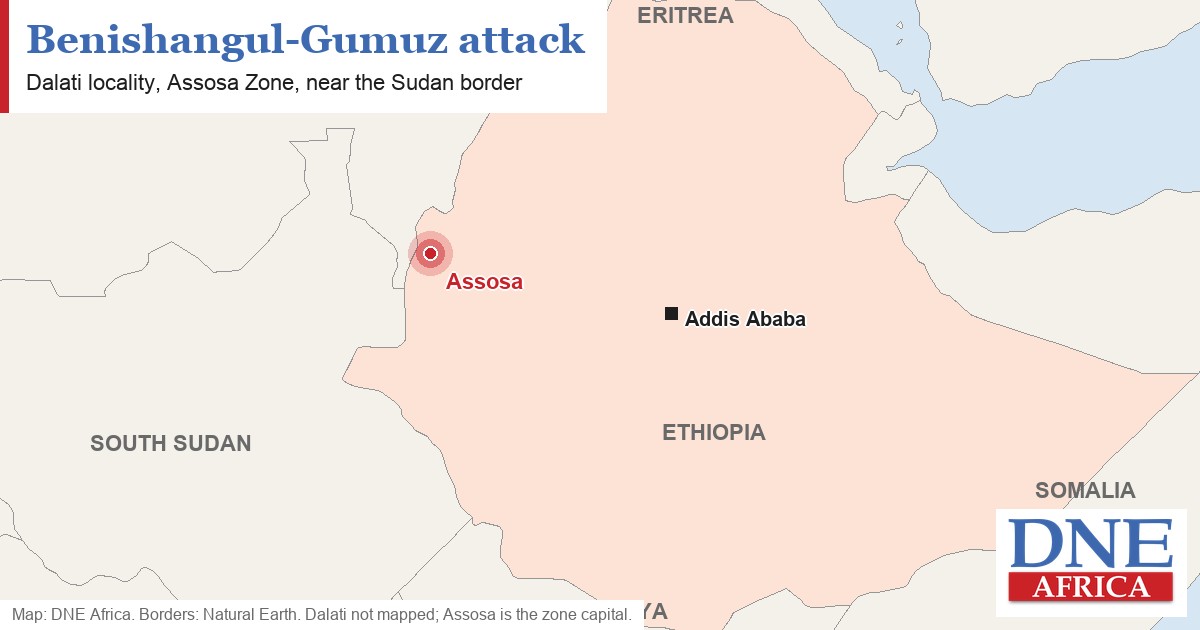
It took place in Dalati locality of Buldiglu woreda, in Assosa Zone, which borders the Oromia region and is near the Sudan border.


