
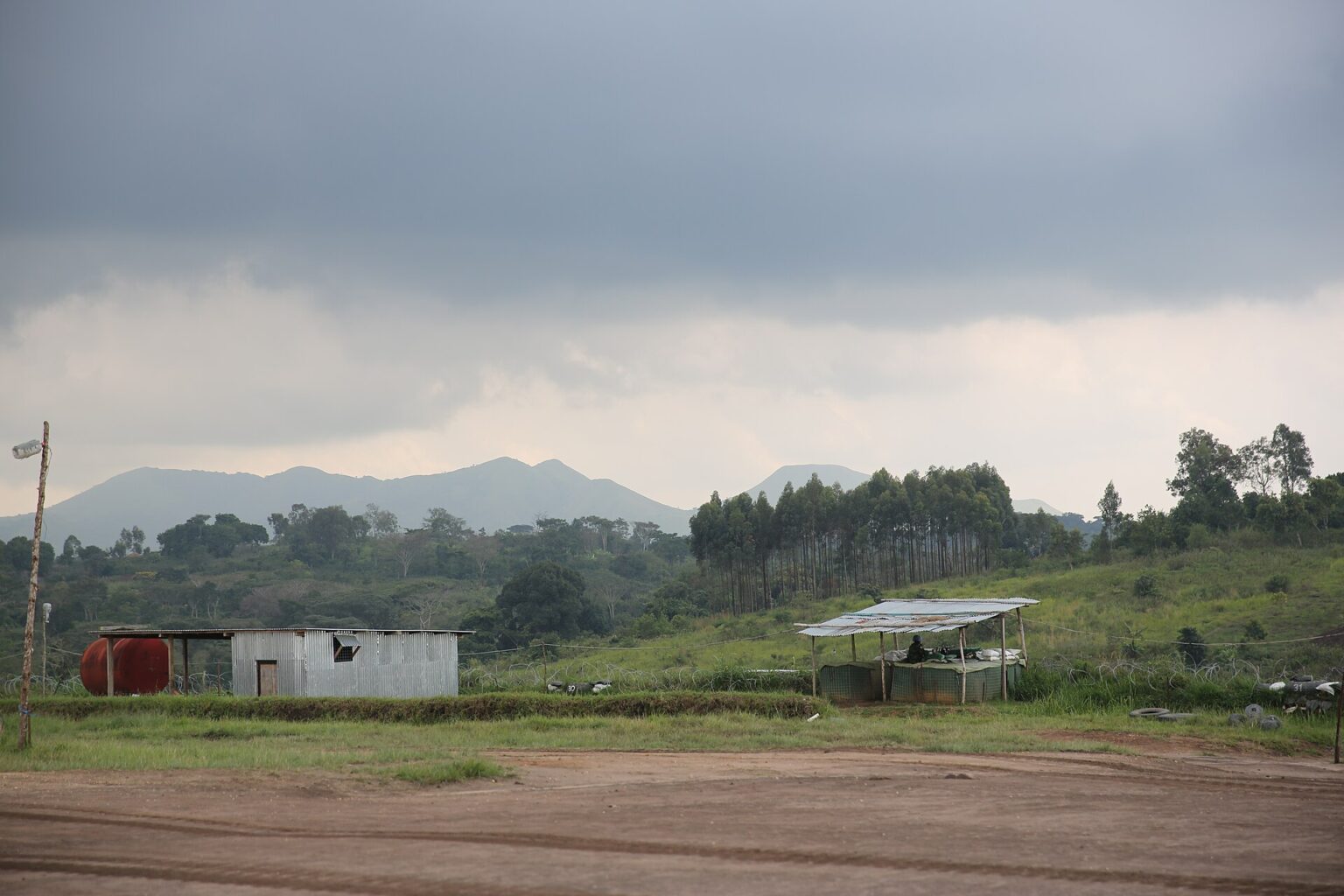

ADF attacks on remote communities in Congo’s eastern Ituri province have killed at least 22 civilians and led to at least 10 abductions, civil society groups said on Wednesday, in a region already struggling with a deadly Ebola outbreak.
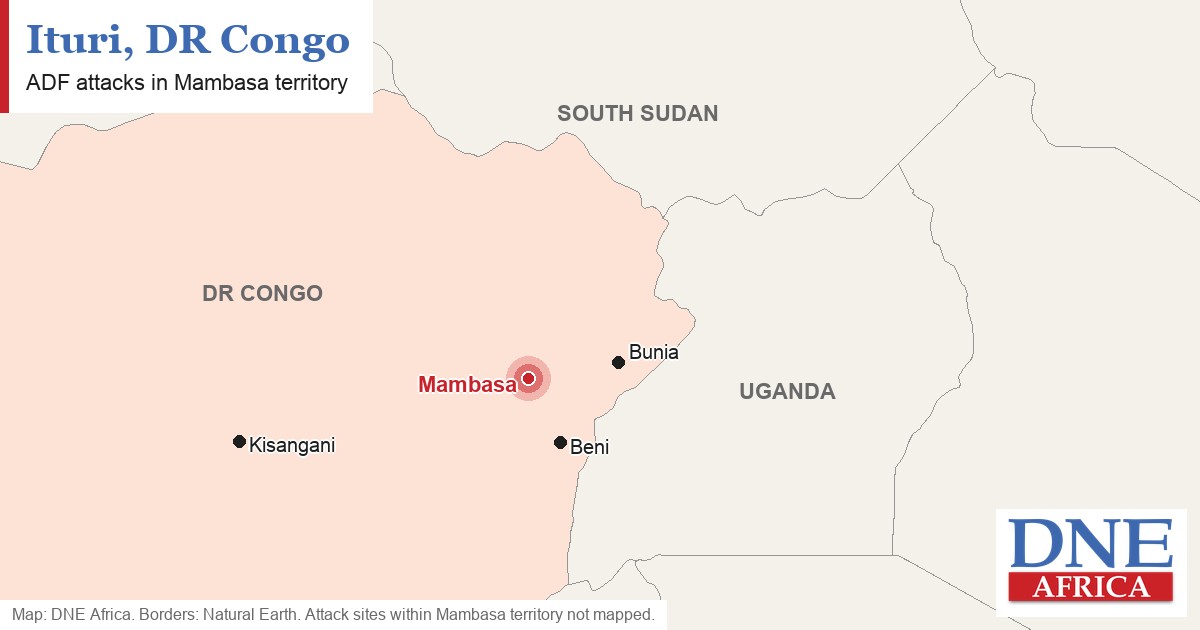
The Allied Democratic Forces (ADF), a rebel group affiliated with Islamic State, struck eight locations in Mambasa territory near the Uganda border, the Associated Press reported, citing two civil society and human rights monitoring groups. The toll is provisional, and no official figure had been published in the reports reviewed.
What happened in Mambasa territory?
Local outlets Radio Moto and MediaCongo Press placed the attacks on Tuesday 10 November, in the Babila Teturi grouping of Babila Babombi chiefdom. They quoted Ramazani Malikidogo, territorial coordinator of the child-protection association APDEF in Mambasa, who gave the same provisional toll and added one person wounded, two motorbikes burned and five houses set on fire.
Mr Malikidogo said some areas were still inaccessible and people were still missing, so the toll could rise. Marie-Noelle Anatobe, coordinator of the Civil Society of Congo in Mambasa territory, told AP the figure remained provisional, and that homes and motorbikes were burned. The ADF attacks took place in nearly inaccessible places near the border, AP said.
How has the military responded to the ADF attacks?
Col. Maxime Tshishimbi, deputy administrator of Mambasa, told AP that the army was working to stem the group’s activities and that efforts to find a solution were continuing. Congolese and Ugandan forces have been attacking the ADF jointly, but AP said they have struggled to make headway, and residents often say soldiers are absent when attacks happen.
Mr Malikidogo told Radio Moto that he could not understand how the group had become so aggressive during an active operation to hunt it down. He urged the military to review its planning and adapt to the group’s methods, and asked residents of nearby areas, including Luhindi, Kanyotha and Wamba, to stay vigilant because the fighters were believed to be still in the area.
Why do ADF attacks matter beyond the death toll?
Ituri is the hotspot of the deadliest Ebola outbreak in Congo’s history. The health ministry reported on Wednesday 11,042 infections and 5,387 deaths, AP said, and the news agency noted that the new ADF attacks threaten efforts to contain the disease. DNE Africa reported on the outbreak passing 11,000 cases. The World Health Organization publishes its outbreak updates online.
The ADF grew out of Uganda and was pushed to the border region with Congo, where it has operated for years, targeting civilians. It pledged allegiance to Islamic State in 2019. Last year the group killed dozens of people in Irumu territory in attacks that the United Nations described as a “bloodbath”, AP reported. DNE Africa also reported on a church attack in July 2025 in which 38 people were killed.
MediaCongo Press said attacks attributed to the ADF have multiplied in Mambasa territory in recent months, with assailants reportedly targeting cocoa fields and mining sites.
What happens next?
The toll from the ADF attacks is likely to be revised once teams reach the affected localities. Attention will turn to whether the army or the UN peacekeeping mission issues an official count, and to the safety of the at least 10 abducted civilians.
FAQ
Who are the ADF?
The Allied Democratic Forces are a rebel group that grew out of Uganda and now operates in eastern Congo. It pledged allegiance to Islamic State in 2019, according to AP.
How many people died in the latest ADF attacks?
Civil society groups reported at least 22 civilians killed and at least 10 abducted across eight locations in Mambasa territory. The toll is provisional.
Where is Mambasa territory?
It lies in Ituri province in north-eastern Congo, close to the Uganda border, in an area with limited road access.
How do the ADF attacks affect the Ebola response?
Ituri is the centre of Congo’s Ebola outbreak, which has passed 11,000 cases. AP said the violence threatens efforts to contain the disease.


