
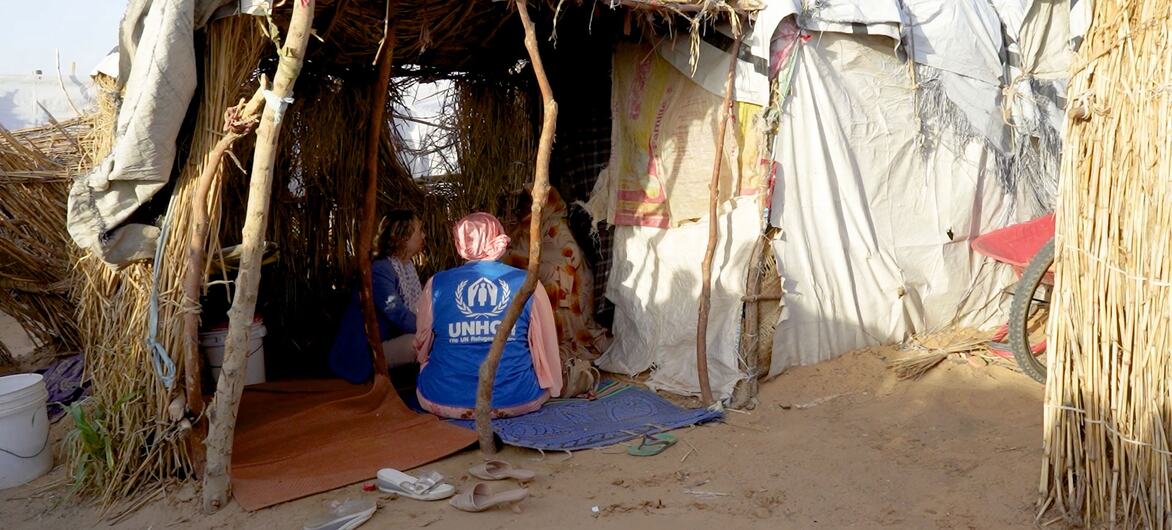

Violence in northern Nigeria has forced around 64,000 people to flee to neighbouring Niger and several hundred others to seek refuge in Benin since the beginning of 2026, triggering growing humanitarian needs across the region, the United Nations High Commissioner for Refugees (UNHCR) said on Tuesday.
The refugee agency warned that host countries are struggling to accommodate the growing number of arrivals amid mounting security challenges, climate shocks and pressure on already overstretched public services.
Northern Nigeria has faced overlapping security crises for more than 25 years, including jihadist insurgencies, armed banditry and farmer-herder conflicts, forcing millions of people to flee their homes.
Growing Pressure on Niger
Niger has received the largest share of people fleeing the violence this year, despite facing its own security and humanitarian challenges.
Before 2026, the landlocked West African country was already hosting more than 500,000 refugees and asylum-seekers, including approximately 327,500 Nigerians, alongside large numbers of internally displaced people.
In October alone, around 1,200 people crossed into the Diffa region in southeastern Niger, while another 3,400 arrived in Tahoua in the west. Both regions border Nigeria.
Conditions are particularly challenging in Diffa, which has recorded more than 70% of Niger’s reported security incidents this year, including armed attacks and violence against civilians.
The humanitarian situation has been further aggravated by drought and irregular rainfall, which have affected agricultural production and pastureland. Grain production is expected to fall short of local needs in approximately 700 of the region’s 1,000 villages, while an estimated 70% of pastureland has been lost.
Rising Humanitarian Needs
Newly arrived refugees, many of them children, are facing difficult living conditions, UNHCR said.
Limited access to food and clean water has contributed to high malnutrition levels. Refugee women have reported having to walk several kilometres to collect water for their families.
Many displaced families are also living in makeshift shelters that provide little protection against harsh weather conditions. Humanitarian partners have additionally reported poor sanitation and widespread respiratory infections among refugees.
Limited Access to Essential Services
Only around 5% of Nigerian refugees who arrived in Niger this year have been registered, with funding shortages hampering registration efforts, according to UNHCR.
The lack of official documentation creates further obstacles to accessing humanitarian assistance and essential services, increasing refugees’ exposure to protection risks.
Education also remains a major concern, particularly for children arriving from Nigeria, where English is the primary language of instruction. Some locations lack schools and transitional classes to help children adapt to the education system in Niger.
UNHCR Calls for Increased International Support
Despite mounting pressure on resources, Niger’s authorities and host communities have demonstrated “remarkable solidarity” with Nigerian refugees, including by making land available for temporary shelters, said Dominique Hyde, UNHCR’s Director of External Relations.
However, the growing number of arrivals is placing increasing pressure on host communities and their ability to provide basic services.
UNHCR is appealing to the international community to increase financial support, seeking $11.4 million to strengthen emergency assistance and longer-term solutions in Niger, Nigeria and Benin.
The appeal includes $2 million for immediate humanitarian needs, covering access to water, food, shelter, healthcare, refugee registration and protection services.
“Without additional resources, thousands of vulnerable families risk being left without essential assistance and protection as displacement continues,” Hyde warned.


