
Morocco’s Authenticity and Modernity Party (PAM) emerged as the largest party in Wednesday’s legislative election, putting it at the center of negotiations over the formation of the country’s next government as Rabat prepares for major economic and infrastructure projects ahead of the 2030 FIFA World Cup.
PAM won 97 seats in the 395-member House of Representatives, according to preliminary results announced by the Interior Ministry. The National Rally of Independents (RNI) came second with 66 seats, followed by the Istiqlal Party with 65 and the Justice and Development Party (PJD) with 54.
The results leave PAM well short of the 198 seats needed for a majority, making coalition-building central to the formation of the next government.
Speaking to DNE Africa, Moroccan political analyst Ayman Mourabet said PAM’s first-place finish was not a major surprise, arguing that the party had worked extensively during the campaign to attract prominent political figures while distancing itself from the record of its former governing ally, RNI.
“PAM deserved to take first place because it worked extensively during the electoral campaign to attract prominent political figures and to place the burden of the government’s record and its many shortcomings on its former ally, the National Rally of Independents,” Mourabet explained.
He noted that disagreements between the two governing parties had become increasingly visible over issues including the cost of living, rising prices, unemployment and local development.
Istiqlal, meanwhile, secured 65 seats, maintaining its position as a major parliamentary force. Mourabet said the party was expected to remain a potential component of the next governing coalition, particularly given its performance in constituencies where it has traditionally been strong.
The election also brought a significant recovery for the PJD, which increased its representation to 54 seats after holding just 13 in the outgoing parliament. The Left Alliance secured eight seats.
Mourabet described the opposition’s performance as one of the notable developments of the election, saying the results could pave the way for a more coordinated opposition bloc if the PJD remains outside the next government.
“The real surprise came in the opposition, with the Justice and Development Party returning strongly with 54 seats, while the two parties forming the Left Alliance secured eight seats,” he emphasized.
“These figures reflect the beginning of the formation of a strong opposition bloc inside parliament if the PJD does not join the government,” Mourabite added, linking the emergence of new political figures to pressure from the streets and the influence of recent youth-led protests.
The Popular Movement won 29 seats, the Socialist Union of Popular Forces 26 and the Party of Progress and Socialism 19, leaving several parties with potential roles in coalition negotiations.
Who could head the next government?
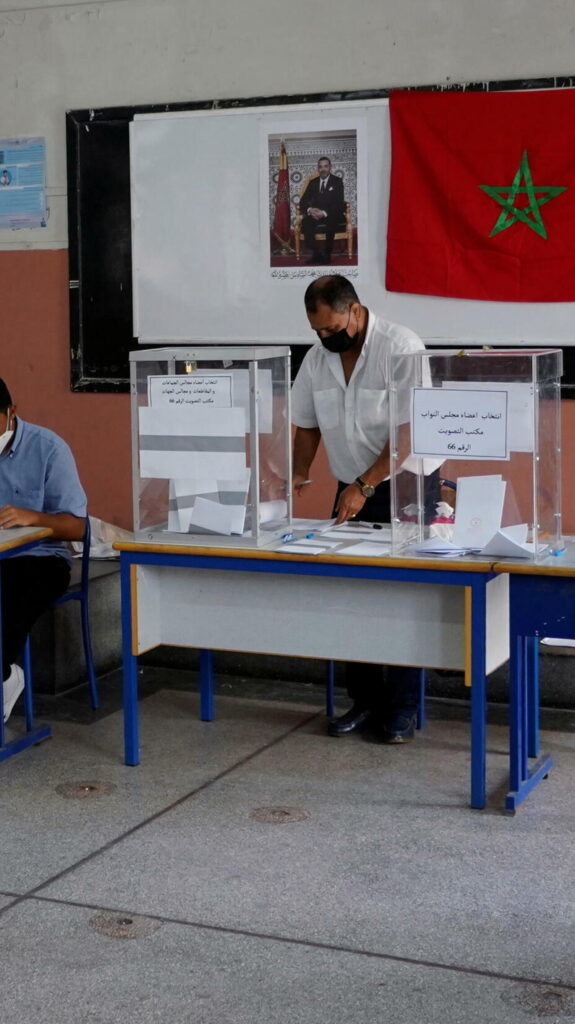
Under Morocco’s constitutional system, the King appoints the head of government from the political party that wins the largest number of seats in the House of Representatives. PAM’s result therefore puts the party in a central position as consultations over the next government begin.
Mourabet identified two prominent PAM figures whose names could feature in discussions over the next head of government: Fouzi Lekjaa and Fatima-Zahra El Mansouri.
Lekjaa, who is also Morocco’s budget minister and president of the Royal Moroccan Football Federation, formally joined PAM’s political bureau in July.
El Mansouri is the party’s national coordinator and part of its collective leadership. PAM does not operate under a single secretary-general, making the choice of a nominee a matter for its collective leadership rather than an automatic appointment of a party secretary-general.
“If El Mansouri is appointed, Morocco would see a historic precedent with the appointment of its first woman as head of government,” Mourabet noted.
He affirmed, however, that the constitutional framework does not require the head of government to be the party’s secretary-general, as the King appoints a figure from the party that wins the largest number of seats.
A government facing the 2030 World Cup
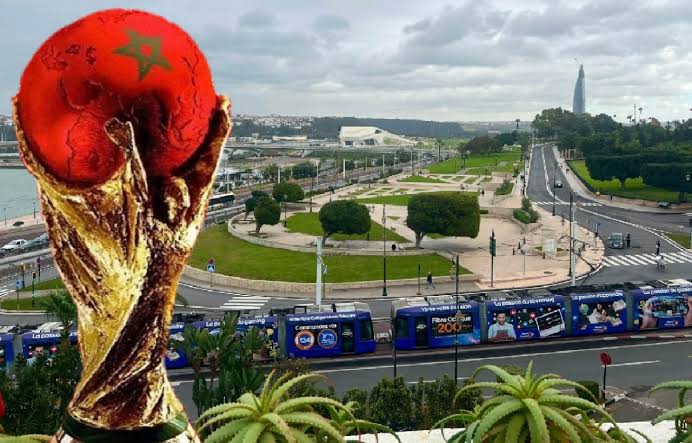
The next government will take office as Morocco prepares to co-host the 2030 FIFA World Cup with Spain and Portugal, creating a major policy focus on infrastructure, tourism and sport.
Mourabet highlighted the World Cup as one of the major international commitments facing the incoming government, alongside wider national and regional challenges.
He explained that economic policy could place greater emphasis on tourism, sport and infrastructure as Morocco prepares for the tournament and related investment.
At the same time, he pointed out that domestic expectations will remain focused on social and regional equality, purchasing power and reducing unemployment.
The Interior Ministry said turnout stood at 38.08%, with nearly 6 million voters casting ballots. Turnout was significantly below the 50.86% recorded in the 2021 legislative election.
With no party close to a parliamentary majority, the next coalition’s composition will determine how the government approaches Morocco’s domestic priorities while managing major infrastructure and economic commitments linked to the 2030 World Cup.


