

On Wednesday, South Africa’s central bank raised its benchmark interest rate by 25 basis points to 7.25%, citing renewed inflationary pressures from higher fuel prices and a deteriorating global economic environment.
The South African Reserve Bank’s (SARB) Monetary Policy Committee unanimously approved the increase, effective September 25, lifting the prime lending rate to 10.75% from 10.5%, Businessfront reported.
The decision marks the second rate increase by the Reserve Bank this year and reverses the pause adopted at its July meeting, when the repo rate was kept at 7%.
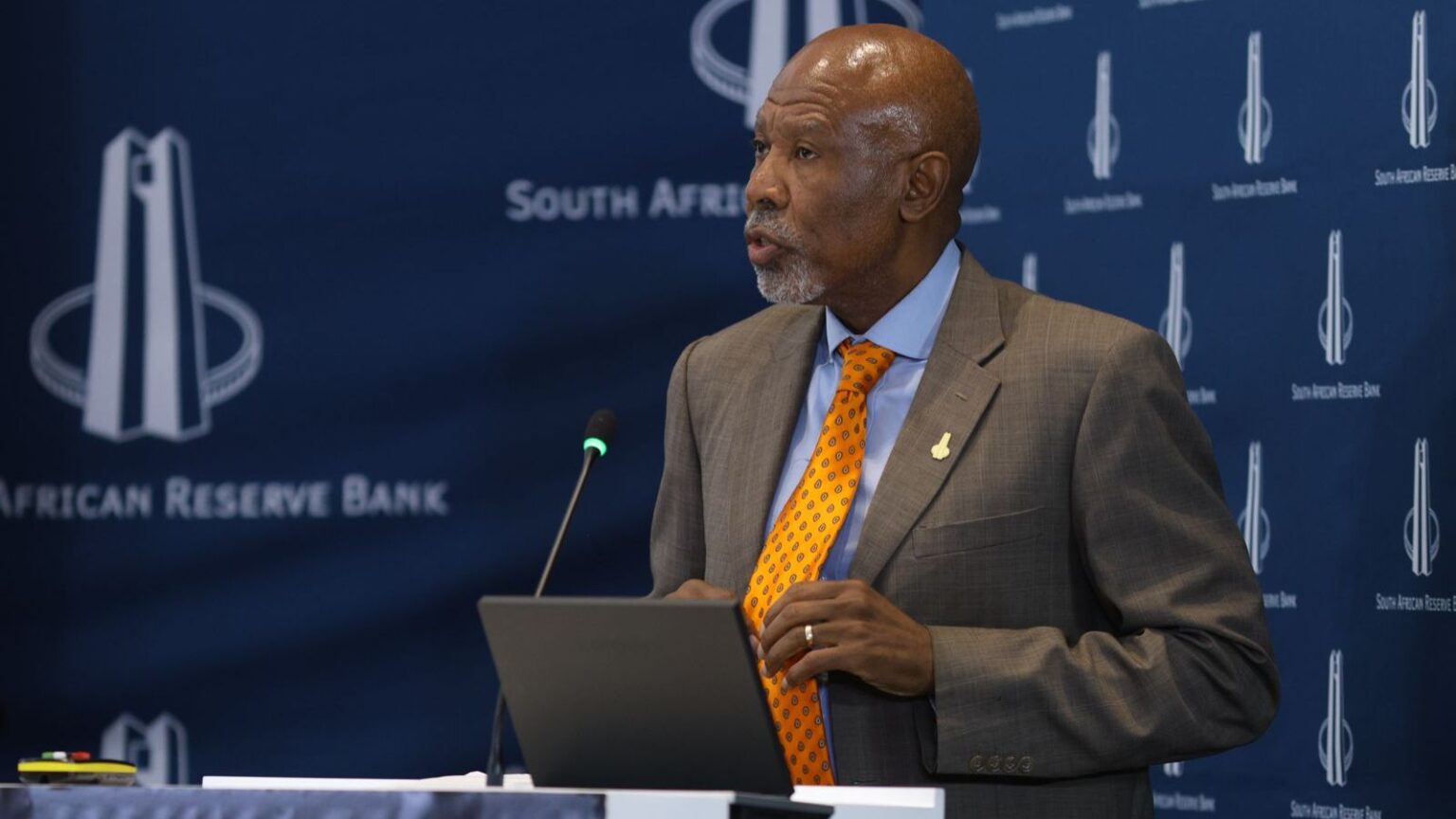
Reserve Bank Governor Lesetja Kganyago said in a statement that the latest move reflected intensified fuel-price pressures and rising global interest rates.
“A few months back, it seemed that the fuel-price shock might be unwinding, but now it has intensified,” Kganyago said, adding that the central bank remained focused on returning inflation to its 3% target.
Inflation remains above target
South Africa’s annual consumer inflation rate rose to 4.4% in August from 4.3% in July, according to Statistics South Africa data released on Wednesday. Core inflation, which excludes food, non-alcoholic beverages, fuel and electricity, eased to 4.1%.
The SARB expects headline inflation to rise above 5% later this year and early in 2027 before easing as the fuel-price shock subsides. The central bank currently projects inflation will return to its 3% target toward the end of 2027.
Fuel prices have emerged as a major source of concern for policymakers as disruptions linked to geopolitical conflicts have pushed up energy costs and added pressure to global supply chains.
The SARB said the escalation of conflicts in the Middle East, including disruptions affecting oil flows through the Strait of Hormuz, as well as the Russia-Ukraine war, have created a large and persistent global supply shock, according to Resbank.
Growth outlook under pressure
The rate increase comes as South Africa’s economic recovery faces fresh challenges. The economy contracted by 0.2% in the second quarter, while the central bank cut its annual growth forecast for 2026 to 1.2% from 1.4%.
The SARB nevertheless expects growth to rebound during the second half of the year and maintains a medium-term growth projection of around 2%, assuming global conditions stabilise and domestic reforms improve the business environment.
The central bank said growth risks remain tilted to the downside as higher energy costs and tighter global financial conditions weigh on economic activity.
At the same time, food inflation has remained comparatively subdued, supported by strong harvests and more stable meat prices, while the rand’s resilience has helped contain import-price pressures.
The SARB’s latest projections indicate that the policy rate could remain broadly stable through the remainder of 2026, although the bank stressed that future decisions would depend on incoming economic data and the balance of risks.
Earlier, the central bank said its monetary policy would remain focused on preventing temporary price shocks from becoming entrenched and ensuring inflation returns to its 3% target over time.


