

Libya’s groundwater resources are coming under increasing pressure as declining and erratic rainfall forces greater reliance on underground water for agriculture, a senior FAO official told DNE Africa.
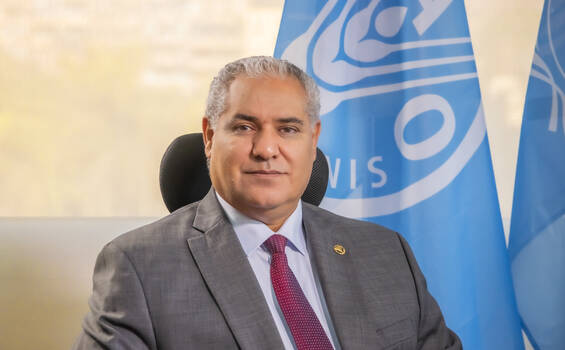
AbdulHakim Elwaer, Assistant Director-General of the Food and Agriculture Organization of the United Nations (FAO) and its Regional Representative for the Near East and North Africa, said groundwater could help offset reduced rainfall in the short term but warned that overuse could threaten agricultural production over time.
“The challenge is particularly acute as rainfall patterns become increasingly unpredictable,” Elwaer noted.
The FAO has supported projects to improve the sustainable management of Libya’s groundwater resources, including the MARWAT project, which focuses on assessing and planning the use of groundwater resources and aquifers.
Studies covering the Nubian Aquifer in southern Libya have been completed, while work has also focused on the Jefara groundwater basin, which extends across Libya, Algeria and Tunisia, Elwaer said.
The FAO is working to bring officials from the three countries together to discuss sustainable groundwater use and agree on appropriate allocations for the shared basin.
“Sustainable water management will be critical to maintaining Libya’s agricultural production in the face of climate change,” Elwaer affirmed.
Better management of groundwater and cooperation over shared aquifers will be increasingly important as Libya faces growing water stress and seeks to sustain agricultural production, he added.


