
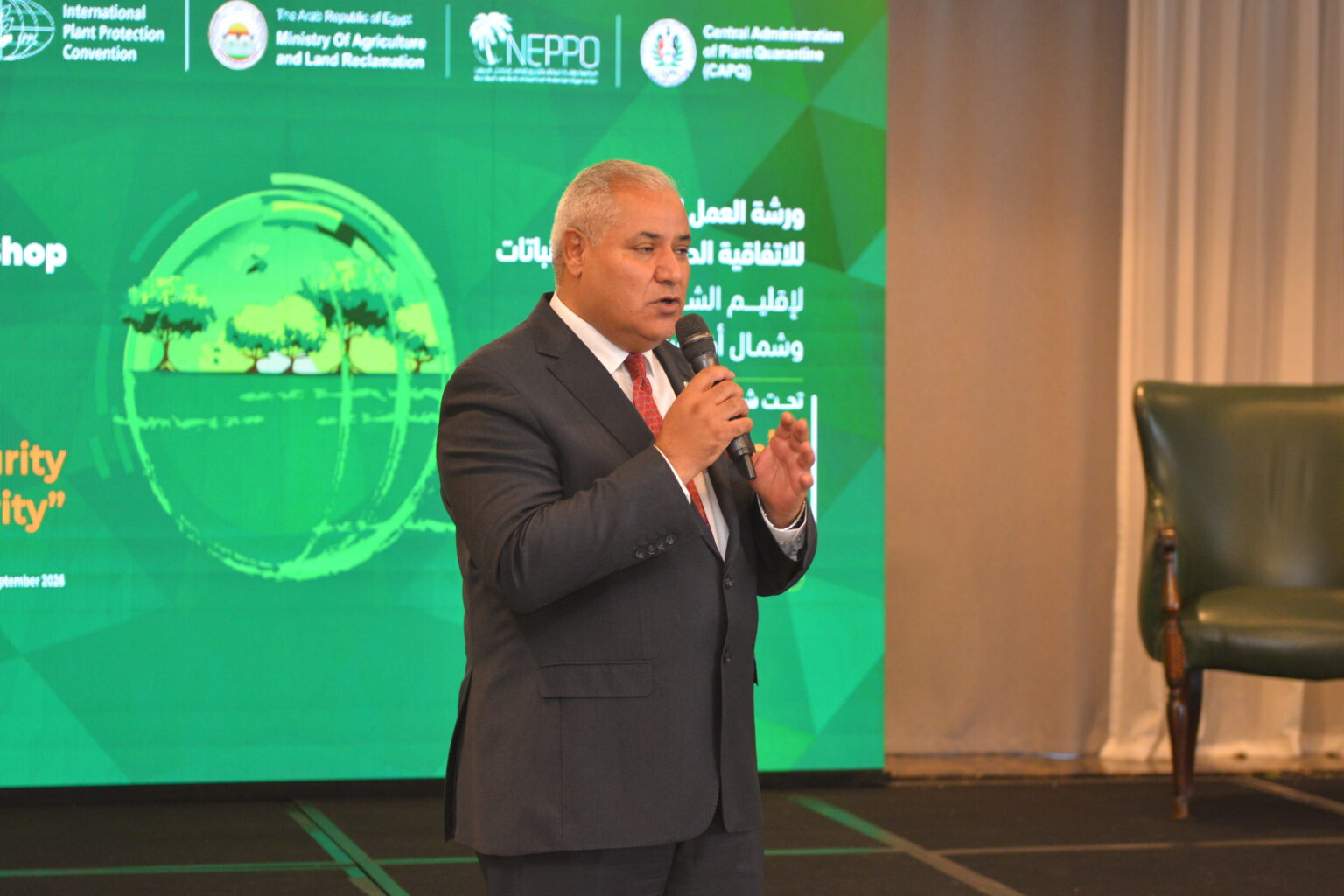

Libya needs to significantly expand its strategic grain storage capacity to protect domestic food supplies from international price and supply shocks, AbdulHakim Elwaer, FAO Assistant Director-General and Regional Representative for the Near East and North Africa told DNE Africa.
The official said Libya currently lacks sufficient capacity to store strategic grain reserves, limiting the country’s ability to absorb disruptions in global supplies.
Increasing investment in grain silos and strategic commodity storage would allow Libya to better withstand fluctuations in international prices, supply shortages and changes in global production, the senior UN official said.
The need for stronger food reserves has become increasingly important amid geopolitical disruptions affecting major international trade and food-supply corridors.
The official highlighted developments around the Gulf region, the Black Sea, the Gulf of Aden and the Red Sea as examples of geopolitical factors that could affect food supply chains.
“These are very important corridors for food supplies and food security,” Elwaer asserted.
Building stronger storage infrastructure would therefore form an important part of Libya’s efforts to strengthen food security and reduce its exposure to external shocks.


