
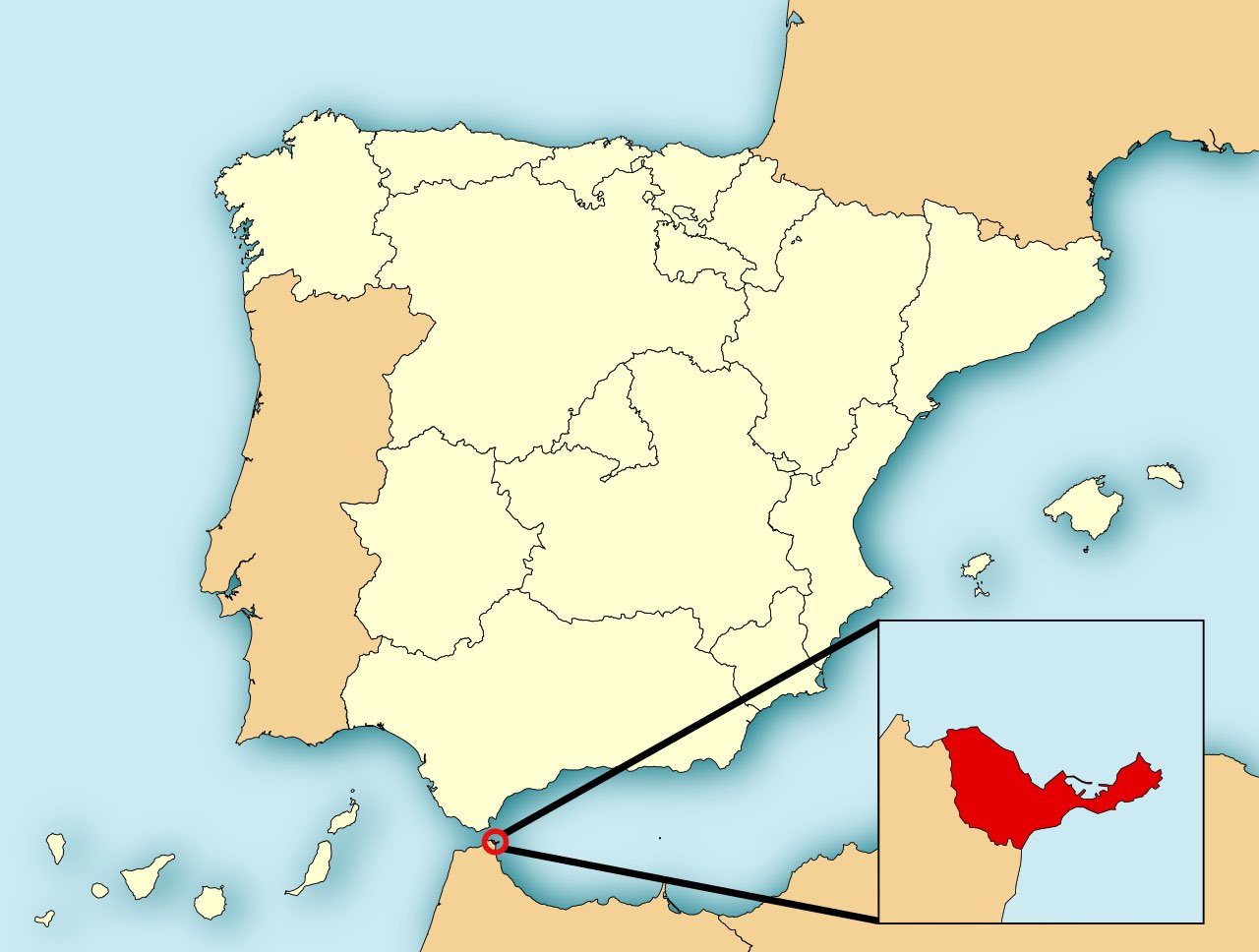

Moroccan authorities have returned around 25,000 migrants who crossed into the Spanish enclave of Ceuta after a mass border surge that triggered a humanitarian and security crisis, according to Spanish and Moroccan officials.
Thousands of migrants swam or bypassed border barriers to enter Ceuta, Spain’s North African enclave, in one of the largest irregular border crossings in recent years. Spanish authorities said at least 34 people died during the chaotic attempts to reach the territory.
Reception centres in Ceuta were overwhelmed as parks and public spaces filled with newly arrived migrants, many of them young men.
Ceuta President Juan Jesús Vivas described the situation as “an absolute humanitarian and social emergency” and called on Madrid to declare a national emergency.
Morocco said it did not support the mass crossings and urged its citizens who had entered Ceuta to return home. Moroccan Ambassador to Spain Karima Benyaich said the developments were “not wanted by the Kingdom of Morocco,” adding that Rabat favours “legal, orderly and safe immigration for everyone.”
Spain deployed military personnel to assist security forces in Ceuta, while Prime Minister Pedro Sánchez said his government was working with Moroccan authorities and international partners to restore normality. Sánchez also travelled to the enclave on Friday.
Spanish authorities said they believe human trafficking networks may have exploited a recent Spanish Supreme Court ruling concerning migrants arriving by sea in Ceuta and Melilla, encouraging more people to attempt the crossing. The ruling requires due process before migrants arriving by sea can be returned, but does not grant them the right to remain in Spain.
Officials also pointed to economic factors behind the surge, including persistently high youth unemployment in Morocco.
The incident has reignited political debate in Spain over migration policy, with opposition parties accusing Sánchez’s government of encouraging irregular migration through plans to regularise the status of hundreds of thousands of undocumented migrants already living in the country.
The crisis also prompted reactions across Europe. France announced tighter controls along its border with Spain, while Italy’s Prime Minister Giorgia Meloni cited the situation to advocate stricter European migration policies. Spain summoned Italy’s ambassador after remarks suggesting Spain’s membership in the Schengen free-travel area should be reconsidered.
Ceuta and the nearby Spanish enclave of Melilla form the European Union’s only land borders with Africa and have long served as key entry points for migrants seeking to reach Europe. Similar migration surges have occurred previously, notably in 2021, when thousands entered Ceuta during a diplomatic dispute between Spain and Morocco.


