
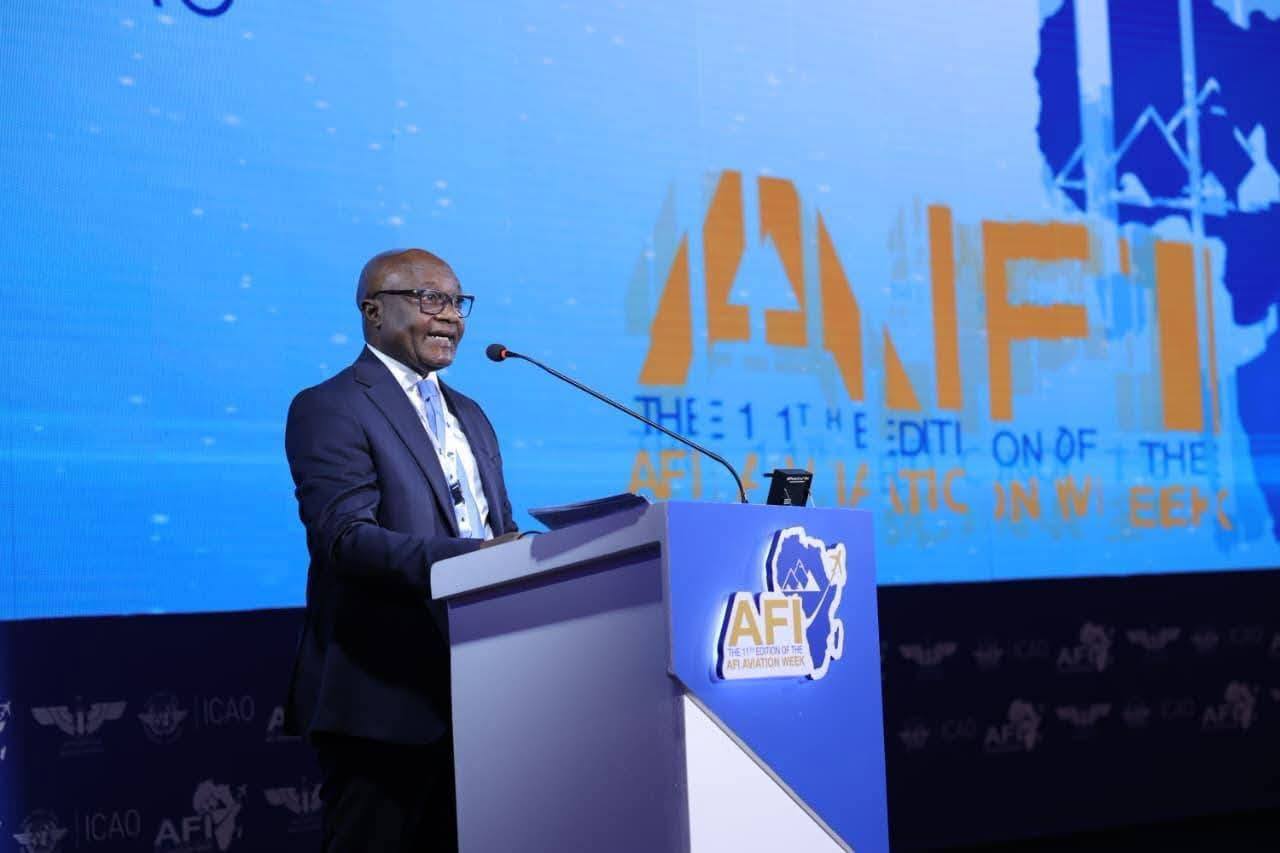

On Monday, Egypt inaugurated the 11th Africa-Indian Ocean (AFI) Aviation Week, hosting the International Civil Aviation Organization’s (ICAO) flagship regional aviation event for the first time as more than 550 aviation leaders, regulators and industry executives gathered in Cairo to chart the future of air transport across Africa.
The five-day conference, running from July 27 to 31, is bringing together civil aviation authorities, policymakers and representatives of leading international and regional aviation organisations to discuss priorities including aviation safety, security, air navigation, airport development, sustainability, digital transformation and regional connectivity.
Civil Aviation Minister Sameh El-Hefny opened the event alongside ICAO Secretary General Juan Carlos Salazar, African Civil Aviation Commission (AFCAC) President Florent Serge Dzota and senior officials from the International Air Transport Association (IATA), Airports Council International (ACI), the African Airlines Association (AFRAA) and other aviation bodies.
In his address at the opening session, El-Hefny said Egypt’s hosting of AFI Aviation Week reflected growing international confidence in the country’s role in global civil aviation and underscored its commitment to advancing African integration through stronger air connectivity.
“Africa represents a strategic priority for Egypt, and civil aviation is a key driver of economic integration, connecting people, markets, trade and investment,” El-Hefny said.
He said Egypt is implementing an ambitious strategy to modernise its aviation sector through airport expansion, operational upgrades and greater private-sector participation, with the aim of increasing the capacity of the country’s airport network to around 100 million passengers annually.
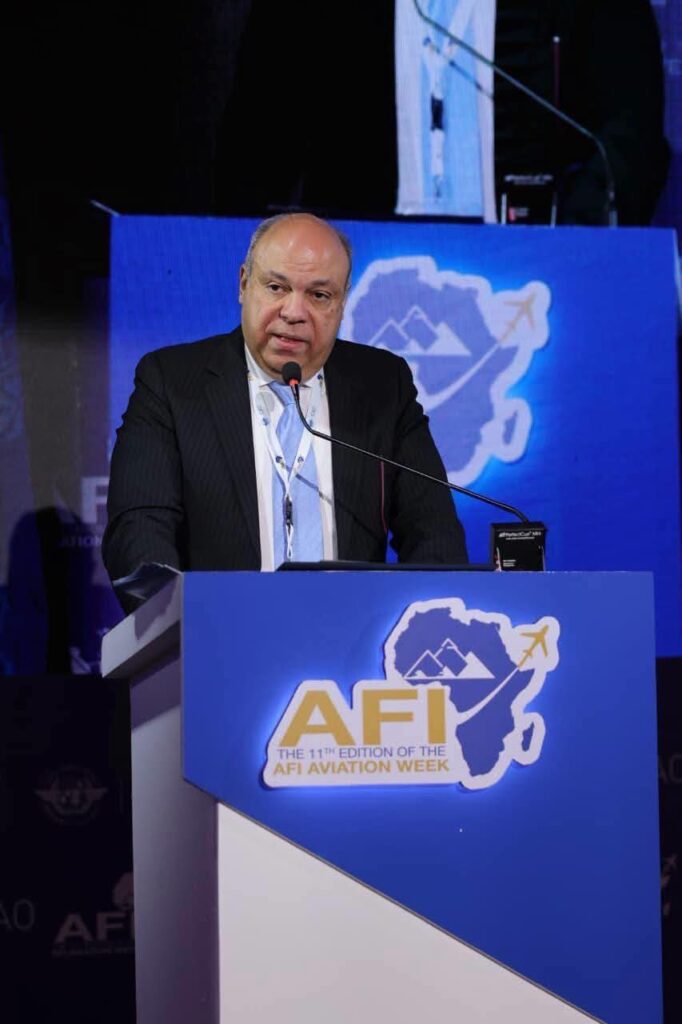
El-Hefny added that Cairo International Airport’s capacity is expected to rise to approximately 70 million passengers in the coming years, strengthening Egypt’s position as a regional aviation hub linking Africa, the Middle East and Europe.
The minister also said Egypt plans to expand the African network of its national carriers to around 40 destinations by 2030, supporting intra-African connectivity and economic integration.
He highlighted sustainability as a central pillar of Egypt’s aviation strategy, citing initiatives to improve energy efficiency, reduce carbon emissions and expand the use of Sustainable Aviation Fuel (SAF) in line with ICAO’s long-term environmental objectives and Egypt Vision 2030.
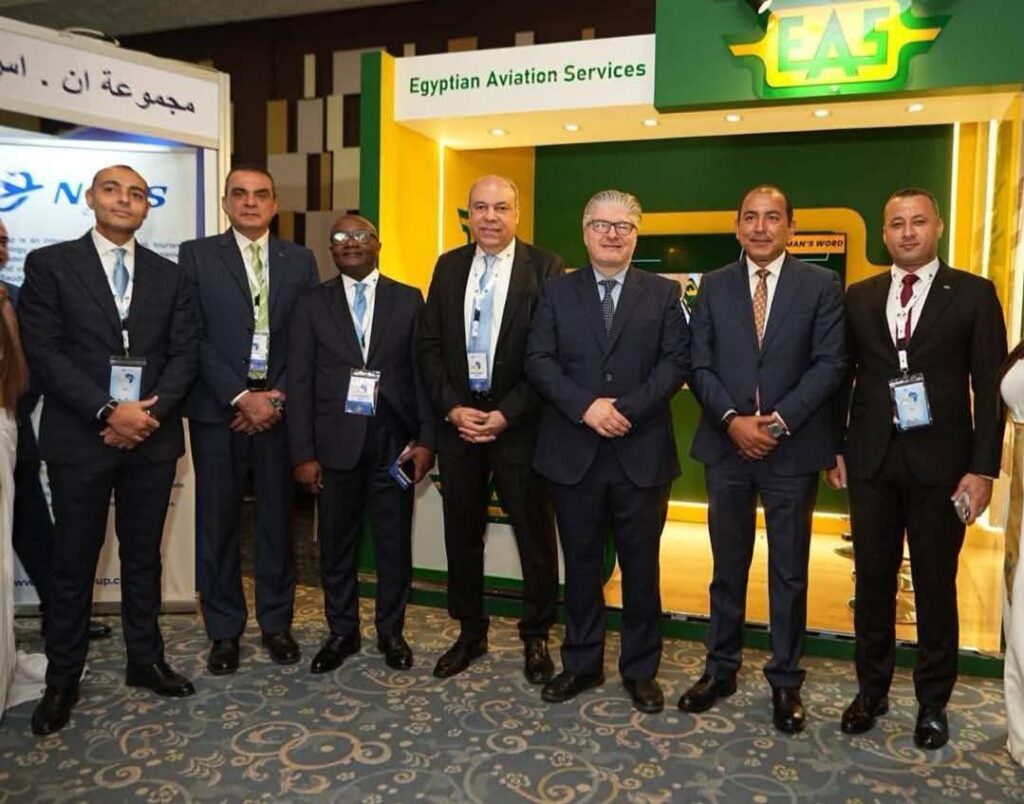
In turn, ICAO Secretary General Juan Carlos Salazar said the gathering demonstrated African countries’ shared commitment to building a more resilient, sustainable and integrated aviation sector.
“We are meeting in Cairo to shape the future of civil aviation in Africa,” Salazar said, noting that the continent is among the world’s fastest-growing aviation markets.
He reaffirmed ICAO’s commitment to supporting African states through technical assistance, capacity building and programmes aimed at strengthening aviation safety, security and sustainability. Salazar also described implementation of the Single African Air Transport Market (SAATM) as a strategic priority for accelerating regional integration and unlocking the continent’s aviation potential.
On his part, AFCAC President Florent Serge Dzota said AFI Aviation Week has evolved into an essential platform for coordinating aviation policies and driving the development of Africa’s air transport sector.
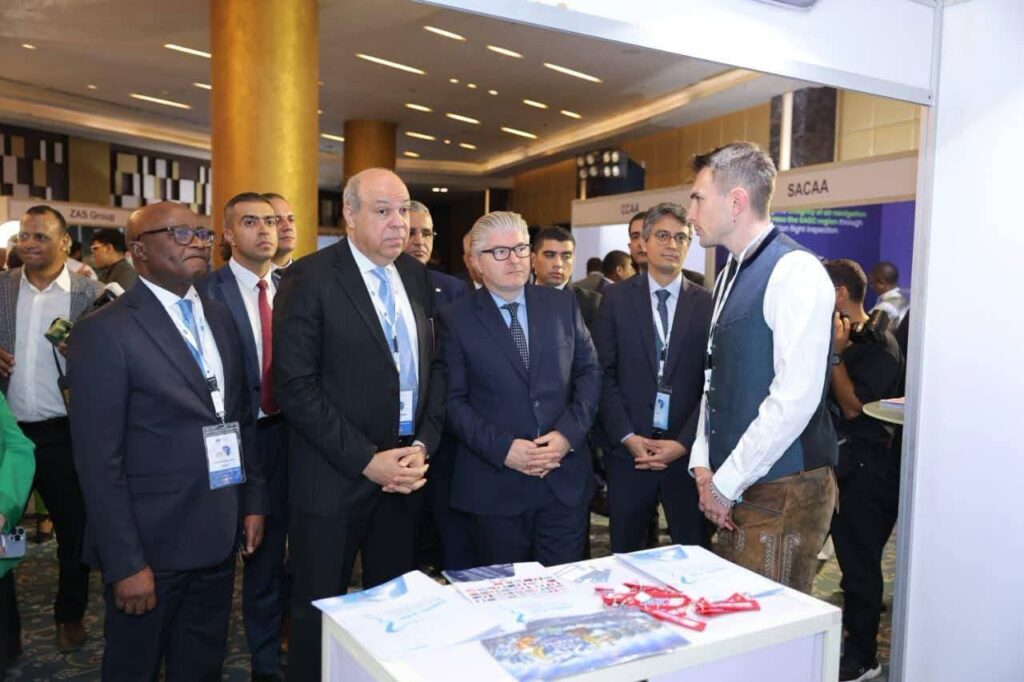
He said AFCAC continues to work closely with member states and international partners to advance SAATM, modernise aviation infrastructure, enhance safety and security standards, strengthen institutional capacity and promote the adoption of sustainable aviation fuel across the continent.
AFI Aviation Week is ICAO’s premier regional aviation forum for Africa and the Indian Ocean, convening governments, regulators, airlines, airports and industry stakeholders to address the sector’s most pressing challenges and opportunities.
The conference is expected to conclude on July 31 with recommendations aimed at deepening regional cooperation and supporting the development of a safer, more efficient and environmentally sustainable aviation sector across Africa.


