
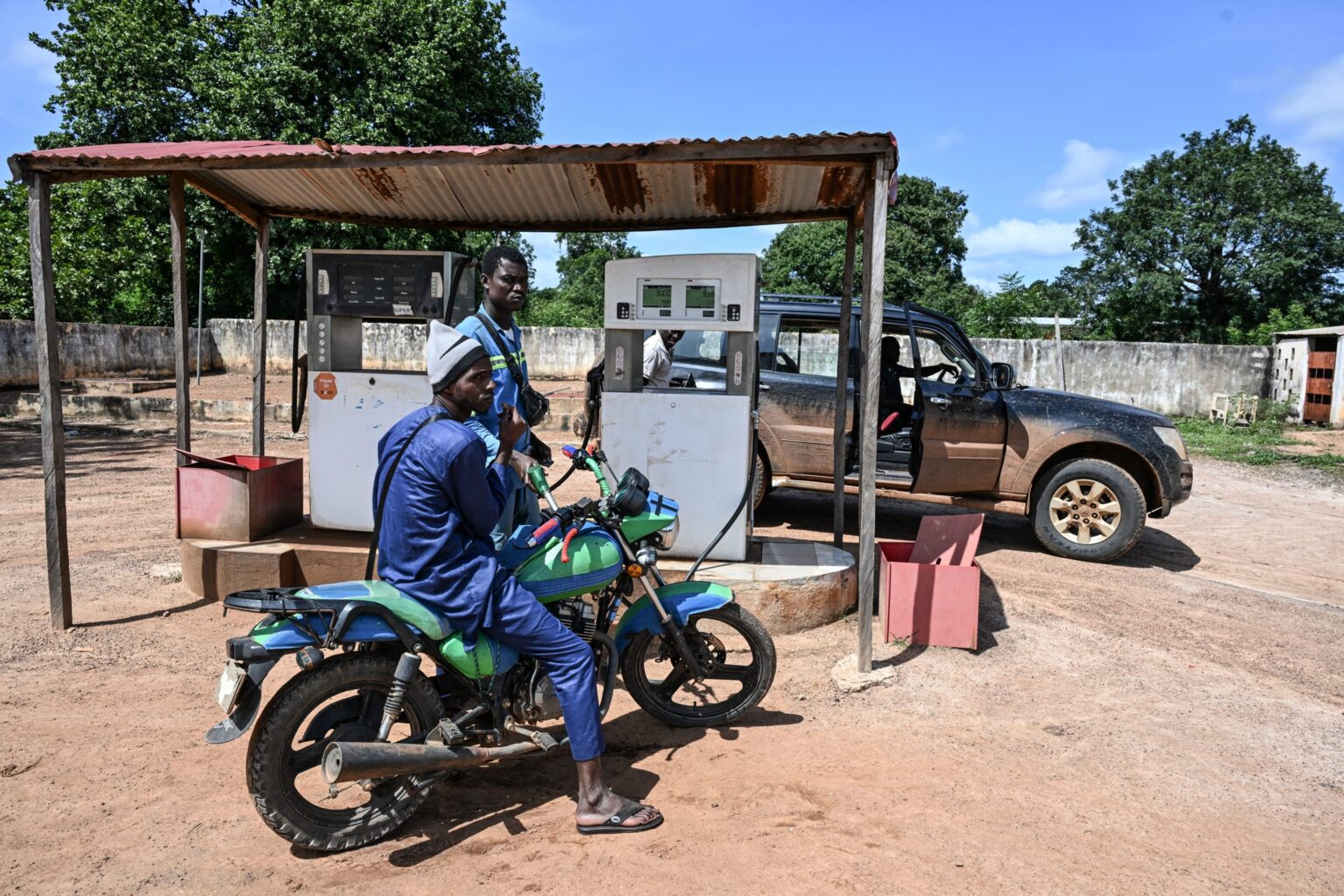

Although global oil prices have retreated from recent highs as tensions in the Middle East eased, consumers across much of Africa have yet to see meaningful relief at the pump, underscoring the region’s continued vulnerability to structural weaknesses in fuel markets.
The softer price environment was reinforced after OPEC+ agreed to raise oil production by a further 188,000 barrels per day from August, saying the decision reflected what it described as a healthy market outlook while reaffirming its commitment to maintaining market stability and remaining responsive to changing conditions.
Yet lower crude prices have been slow to translate into cheaper fuel across Africa.
According to Business Insider Africa, high taxes, weaker local currencies, transport costs and limited refining capacity continue to limit the pass-through of lower international oil prices to retail markets.
It reported that several African countries remained among the world’s most expensive fuel markets despite the recent decline in global oil benchmarks.
In May, retail petrol prices ranged from $1.59 to $2.01 per litre in Cabo Verde, Rwanda, Sierra Leone and Tanzania.
In Nigeria, petrol prices have also remained stubbornly high despite reductions in refinery gate prices. A survey by The Guardian Nigeria found petrol selling between ₦1,317 and ₦1,336 per litre in Abuja, illustrating the lag between falling crude prices and retail fuel costs.
Analysts say the limited pass-through of lower crude prices reflects structural challenges in African fuel markets, including reliance on imported refined products, weaker local currencies and high transport costs.
While recent easing in global oil prices has improved the outlook for supply, traders remain alert to geopolitical risks in the Middle East, warning that any renewed disruption could quickly reverse recent gains and further delay relief for consumers across the continent.


