

Ghana’s stool land revenue reached GH¢405.3mn (about $34mn) by 30 October 2026, more than double the GH¢189.5mn collected in all of 2025, the Office of the Administrator of Stool Lands said.
The figure, announced by the Ministry of Lands and Natural Resources, is already above the office’s 2026 target, and much of the money goes to district assemblies and traditional authorities that rely on it for local projects.
How did stool land revenue rise so fast?
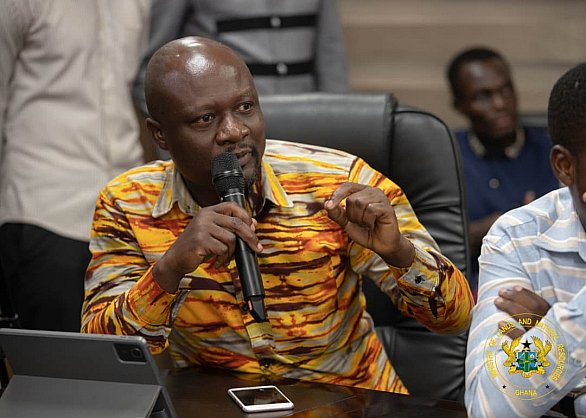
Gad Asorwoe Akwensivie, the Administrator of Stool Lands, told the government’s Progress Series briefing that the office had revised ground rents, opened new offices and collection points, digitised its operations and tightened its monitoring of regional and district offices, according to a statement from the Ministry of Lands and Natural Resources.
The figures are the office’s own and have not been independently audited. They are consistent with earlier official data: Lands Minister Emmanuel Armah-Kofi Buah said in July that GH¢265.61mn had been collected by the end of June, against an annual target of GH¢351.88mn, the Information Services Department reported.
Stool lands are lands held by chiefs and families on behalf of communities, and the office collects rents and royalties on them. After it keeps 10% for administration, the law shares the rest: 25% to the land-owning stool, 20% to the traditional authority and 55% to the Metropolitan, Municipal and District Assemblies (MMDAs) for development, the office said.
What does the rise in stool land revenue mean for district assemblies?
On those shares, district assemblies would receive just under half of all stool land revenue collected, roughly GH¢200mn of this year’s GH¢405.3mn, a DNE Africa calculation based on the percentages the office gave. Traditional authorities and stools would share most of the rest.
The Office of the Administrator of Stool Lands was created under Article 267 of Ghana’s 1992 constitution to collect and distribute these payments. Its Customary Land Secretariats record land transactions at the level of the stool or family, a role set out in the Land Act, 2020 (Act 1036), the office said in January.

What else has the Stool Lands office reported?
The office said it set up 10 new Customary Land Secretariats in Greater Accra, Eastern, Bono and Central regions this year, bringing the total to 131. In January it had said 110 secretariats were operating and announced plans for 300 new ones in 2026, MyJoyOnline reported at the time.
It also said it had trained 67 traditional authorities in alternative dispute resolution with the University of Professional Studies, Accra, and held education sessions in 836 of a targeted 1,000 communities, plus 47 radio programmes on how stool land revenue is collected and spent.
What are the targets for 2027?
The office is aiming to collect GH¢630mn (about $53mn) in stool land revenue in 2027, a 55% increase on the amount collected by October this year, and to open 50 more Customary Land Secretariats, Mr Akwensivie said. It plans 80 public education programmes, a short course with the Department of Land Economy at KNUST and closer monitoring of how MMDAs spend their share.
He said the goal was for revenue from customary lands to produce visible development and support the government’s “Reset Agenda”. Ghana is seeking to raise more domestic revenue under its IMF-supported programme; an IMF team assessed Ghana’s reforms ahead of the 2027 budget, and the government has also widened its tax base, including a 20% tax on foreign digital services.
FAQ
How much stool land revenue has Ghana collected in 2026?
GH¢405.3mn by 30 October 2026, against GH¢189.5mn in the whole of 2025, according to the Office of the Administrator of Stool Lands.
Who receives stool land revenue?
After the office’s 10% share, 25% goes to the land-owning stool, 20% to the traditional authority and 55% to district assemblies.
What is the stool land revenue target for 2027?
The office is targeting GH¢630mn and 50 new Customary Land Secretariats.


