
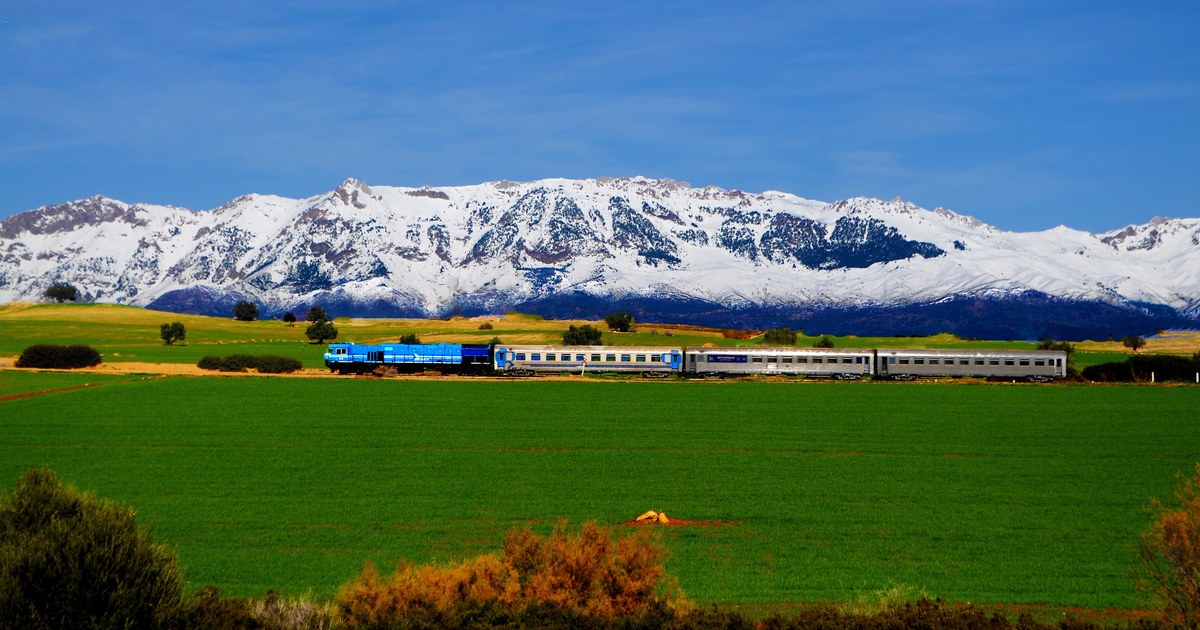

Algeria has released 68.26bn dinars (about $500mn) for railway infrastructure in a presidential decree published in the Official Journal, the latest step in an Algeria railway investment drive aimed at opening up the south and its mines.
The money adds to multi-billion-dollar spending on three new lines that link iron ore and phosphate deposits to industry and ports, and that are meant to tie the Saharan south more closely to the coast. Algeria railway investment is central to the government’s plan to earn more from minerals and less from oil and gas.
What does the decree say?
The decree opens 68.26bn dinars in commitment authorisations for 2026 under the “railway infrastructure and guided transport” programme of the Ministry of Public Works and Basic Infrastructure, in the sub-programme for developing rail infrastructure, according to the text published in the Official Journal and reported by TSA Algerie (in French). The sum is booked as investment spending.
The decree does not say which project the money is for. Commitment authorisations allow the ministry to sign contracts up to that amount; payments are made from separate credits as work proceeds.
Where is Algeria railway investment going?
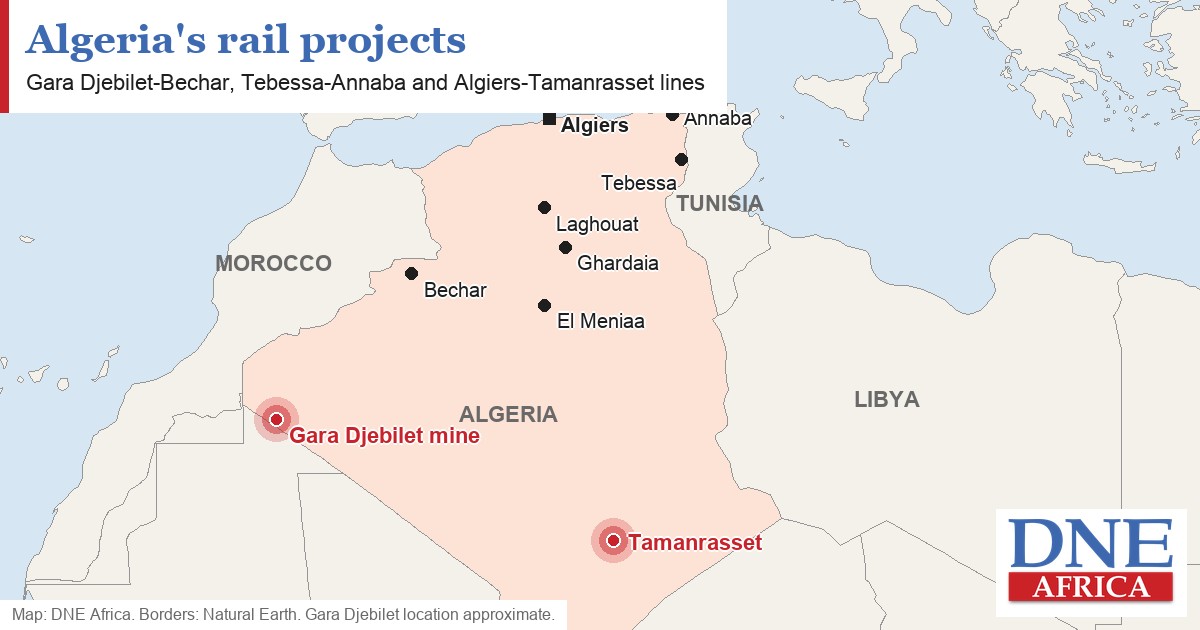
Three projects dominate Algeria railway investment, according to TSA Algerie:
- Gara Djebilet to Bechar: a 950km line linking the Gara Djebilet iron ore deposit near the Mauritanian border to Bechar, inaugurated by President Abdelmadjid Tebboune on February 1st 2026.
- Blad el Hadba to Annaba: a 425km line carrying phosphate from Tebessa province to the port of Annaba, and passengers in the far east of the country, due to be delivered in the first quarter of 2027.
- Algiers to Tamanrasset: a line of more than 2,000km to the far south, of which 308km is complete. The remaining work is costed at $14.6bn, and Mr Tebboune has said trains should reach Tamanrasset in 2028.
The new Algeria railway investment is modest next to earlier allocations. A presidential decree in January 2024 moved 432.64bn dinars (then about $3.2bn) to the public works ministry for new lines, including the line to Tindouf and Bechar.
Why does the money matter for Algeria’s economy?
Hydrocarbons still provide most of Algeria’s export earnings. The government wants iron ore from Gara Djebilet to feed domestic steel plants and phosphate from Blad el Hadba to supply fertiliser exports, and both depend on rail to move bulk cargo over long distances.
The dollar value of the allocation depends on the exchange rate. The official rate is close to 137 dinars to the dollar, compared with 120 in 2019, while on the parallel market in Algiers the dollar traded at a record 248 dinars on Saturday, according to TSA Algerie. A weaker dinar raises the local cost of imported rails, locomotives and equipment.
The ministry has not said when contracts under the new allocation will be awarded, or whether further Algeria railway investment will follow in the 2027 budget. Other recent figures on the economy include growth in electronic payments.
FAQ
How much has Algeria released for railways?
A presidential decree published in the Official Journal opens 68.26bn dinars, about $500mn at the official rate, in 2026 commitment authorisations for rail infrastructure.
Which projects get the Algeria railway investment?
The decree does not name a project. The main lines under way are Gara Djebilet to Bechar, Blad el Hadba to Annaba and Algiers to Tamanrasset.
Who manages the money?
The Ministry of Public Works and Basic Infrastructure, under its programme for railway infrastructure and guided transport.
When will the Algiers to Tamanrasset line be finished?
President Tebboune has set 2028 as the target for trains to reach Tamanrasset. About 308km of the more than 2,000km line had been completed, according to TSA Algerie.


