
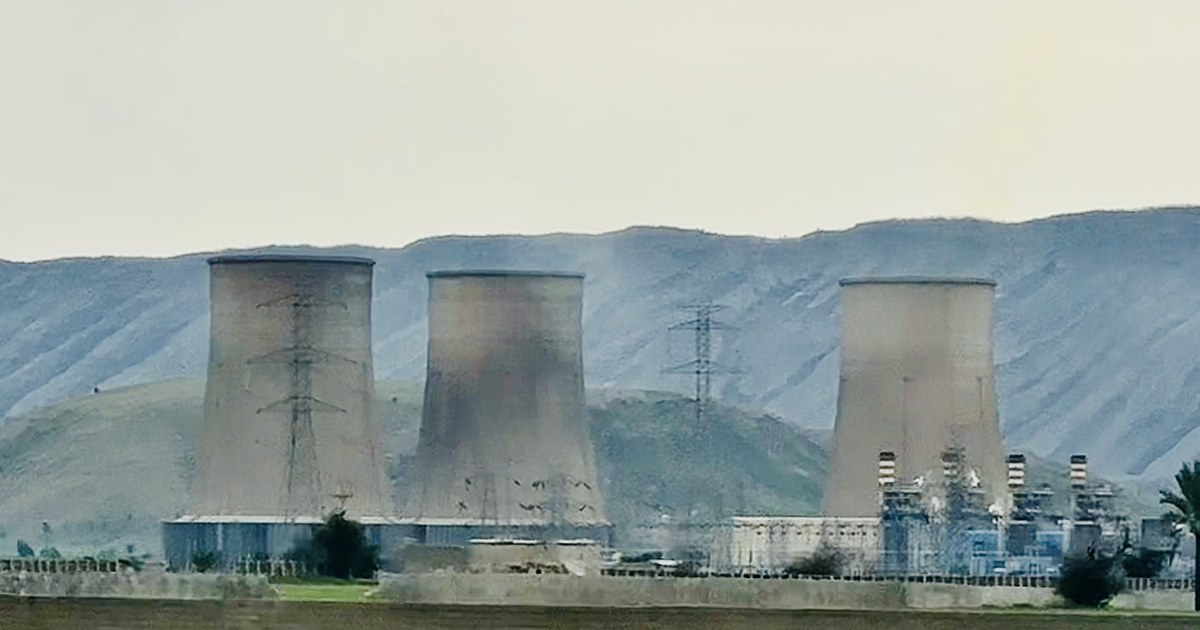

Iran power cuts will begin on Sunday for homes and businesses because power plants are short of fuel, the head of Tavanir, the state grid company, said on Saturday, with outages of up to two hours every two days.
The rationing shows how far the war that began with US and Israeli strikes on February 28th has damaged Iran’s energy system. Iran holds some of the world’s largest gas reserves, yet it can no longer fuel its own power stations as winter approaches.
What did Tavanir announce about Iran power cuts?
Mohammad Allahdad, Tavanir’s chief executive, said scheduled outages would start on Sunday, the first day of the Iranian month of Azar, Radio Farda reported (in Persian). He said cuts would probably last at most two hours over two days, and could rise to two hours a day if the weather gets colder.
The restrictions will fall mainly on households, shops and other non-productive users, so that factories and production units keep their supply, he said. He added that the final timetable was not yet ready. The company said the aim was to manage limited fuel and keep the national grid stable.
Mr Allahdad also warned that customers whose use is far above the set pattern could have their power cut for several weeks, Iran International reported (in Persian).
Why is Iran short of fuel for its power plants?
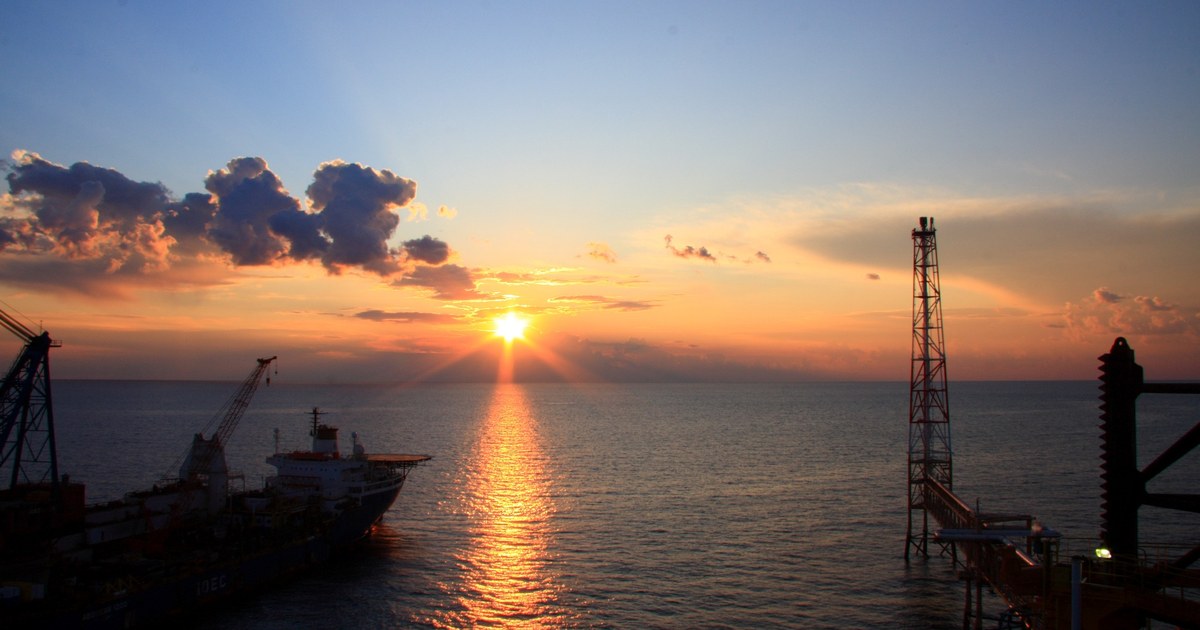
Most of Iran’s electricity comes from gas-fired plants. Mr Allahdad said about 230mn cubic metres a day of the country’s gas production capacity had been lost because of damage to gas infrastructure in the war, and that about 100mn cubic metres a day was still unavailable, according to Radio Farda. He said gas output remained below last year’s level and that fuelling power stations would become harder in the coming months.
Iran faced power and gas shortages before the war. Rolling blackouts hit Tehran and other cities in the winter of 2024-25 and again in the summer of 2025, as old plants, subsidised prices and high demand strained the grid. The new Iran power cuts come earlier in the season than those of recent years, as heating demand starts to climb.
Separately, an electricity industry spokesman, Ehsan Zabihzadeh, said text messages sent to some Tehran customers announcing two-hour cuts related to grid repairs, not to the fuel shortage, according to Persian-language media.
What do Iran power cuts mean beyond Iran?
The rationing adds to pressure on Tehran as the United States and Israel weigh new strikes and as fighting spreads across the Gulf. On Saturday evening Iran’s Revolutionary Guards said they had hit US radars in Bahrain, and Bahrain said an Iranian attack set fire to an industrial site (follow our live coverage).
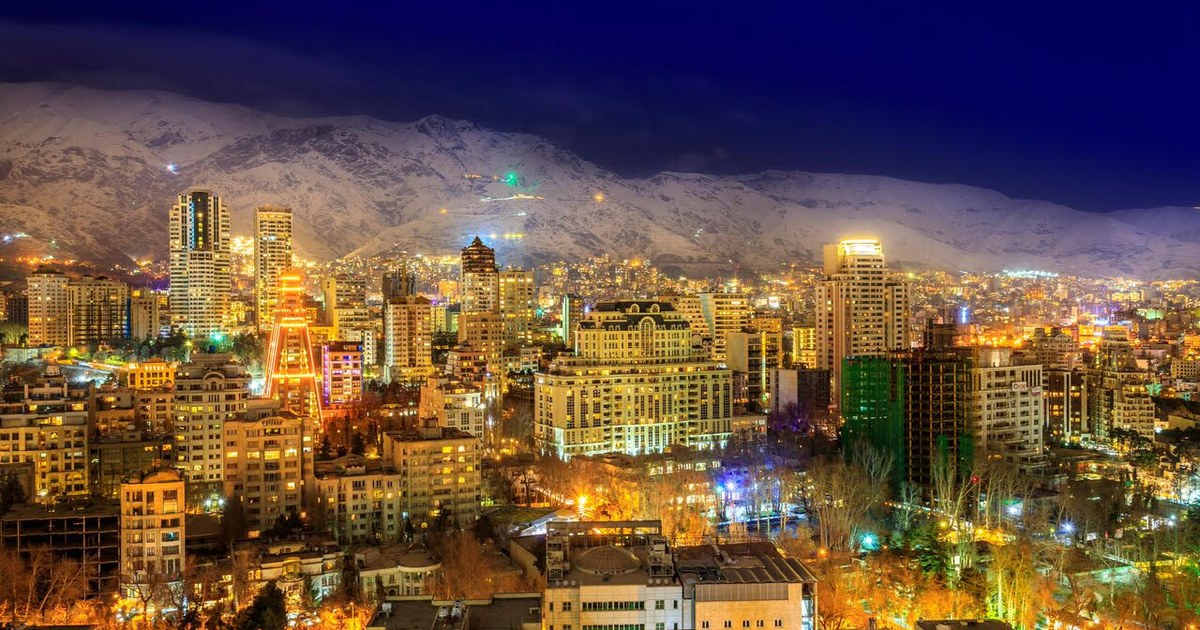
Energy markets outside Iran are already under strain. Shipping through the Strait of Hormuz was about 65% below pre-war levels in the week to November 18th, according to the UK Maritime Trade Operations centre, after a series of attacks on tankers. Oil and gas importers, including many African economies, pay for that disruption through higher fuel prices and freight costs.
Tavanir is expected to publish the outage timetable by province before the cuts begin. Officials have not said how long the rationing will last.
FAQ
When do Iran power cuts start?
Tavanir’s chief executive said scheduled cuts would begin on Sunday November 22nd 2026, the first day of the Iranian month of Azar.
How long will the outages last?
Mohammad Allahdad said cuts would probably last up to two hours every two days, rising to two hours a day if the weather turns colder. The final timetable had not been published on Saturday.
Who will be affected by Iran power cuts?
Mainly households, shops and other non-productive users. Tavanir said the aim was to keep supplying industry and production units.
Why is there a shortage?
Tavanir said gas production is below last year’s level and that war damage to gas infrastructure cut about 230mn cubic metres a day of capacity, leaving power plants short of fuel.


