
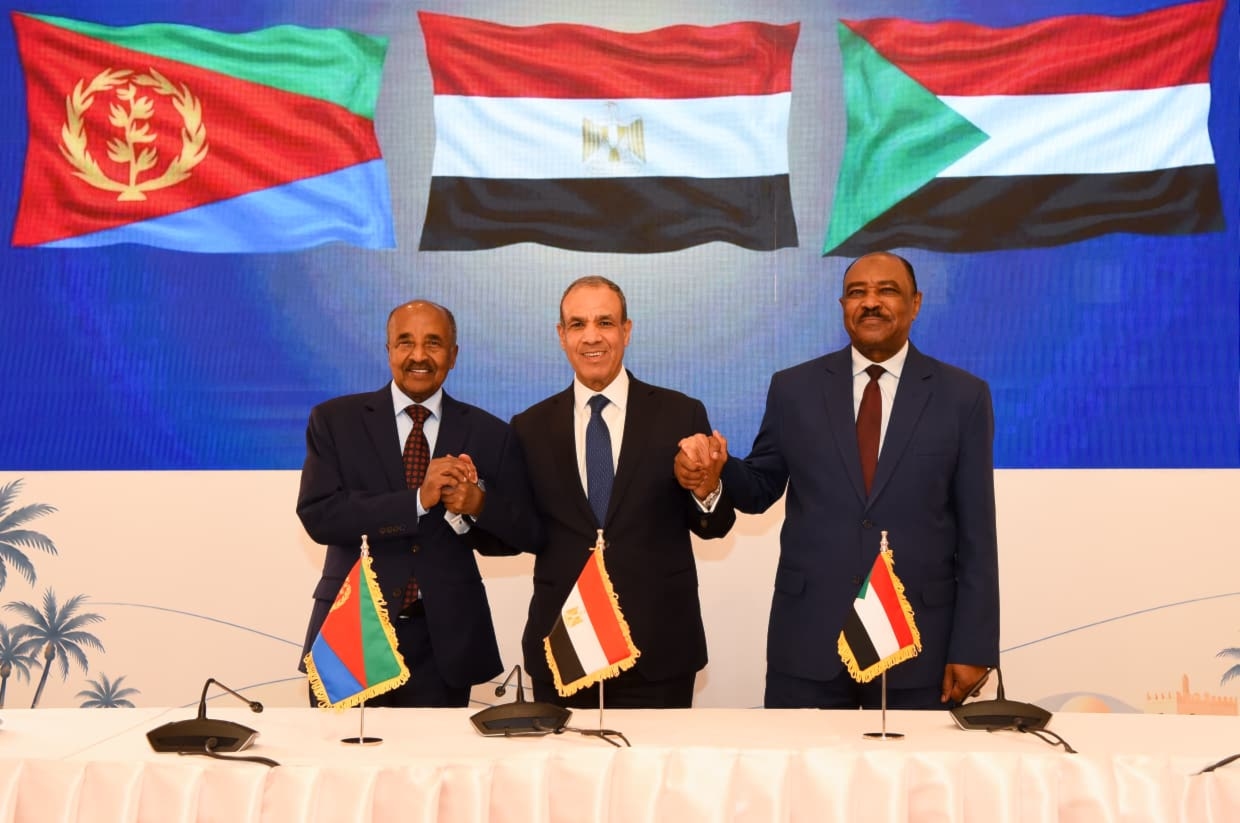

The foreign ministers of Egypt, Sudan and Eritrea said on Saturday in Aswan that Red Sea security is the responsibility of the states on its shores, and rejected unilateral steps on security and water.
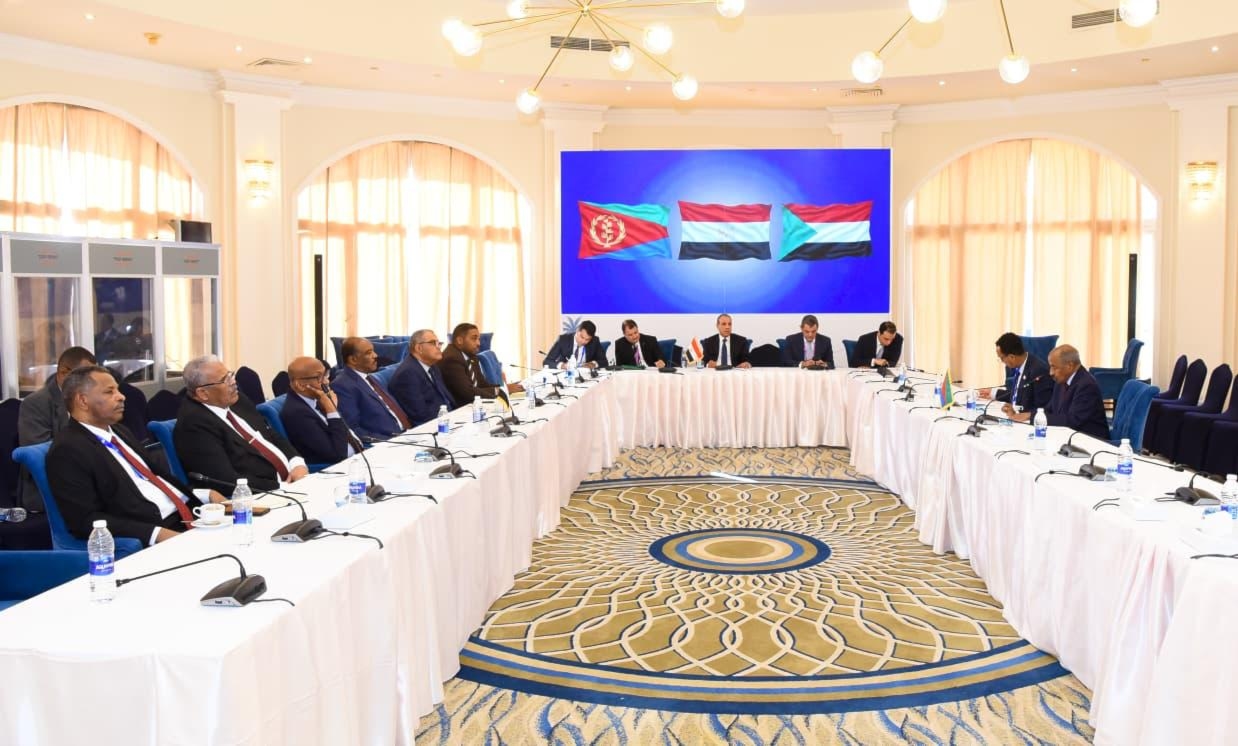
The three-way meeting, held on the sidelines of the sixth Aswan Forum for Sustainable Peace and Development, brought together Egypt’s Badr Abdelatty, Sudan’s Mohieldin Salem and Eritrea’s Osman Saleh. It follows up a leaders’ meeting in October that also included Somalia, and comes as war in Sudan, tension between Eritrea and Ethiopia and attacks on shipping keep the region on edge.
What did the three ministers agree on Red Sea security?
The ministers stressed the need to keep the Red Sea secure and stable and to guarantee freedom of navigation through international shipping lanes, according to a statement from the Egyptian Ministry of Foreign Affairs (in Arabic). They said responsibility for governing the Red Sea and protecting its security “lies with the littoral states”, the ministry said.
Ambassador Nader Zaki, the ministry’s spokesman, said the three ministers agreed to build on the momentum in their relations and to step up consultation and co-ordination on issues of shared interest, to support regional security and stability.
The ministers also said they rejected “unilateral measures, whether in the security field or on water security issues”, the statement said. They did not name any country.
What did they say about Sudan, Somalia and Eritrea?
The ministers called for respect for Sudan’s sovereignty, unity and territorial integrity and for the preservation of its national institutions. They rejected “the role of armed militias and their arming from abroad”, according to the ministry. Sudan’s army has been at war with the RSF militia since April 2023.
They renewed their support for Somalia’s unity, sovereignty and territorial integrity and rejected “the establishment of any parallel entities”. Somaliland declared independence from Somalia in 1991 and is not recognised by most governments. The ministers also affirmed support for the unity, sovereignty and territorial integrity of Eritrea.
Mr Abdelatty said he intended to brief Somalia on the talks, to keep up four-way consultation, the ministry said. The three ministers said their consultation aims above all to uphold non-interference in states’ internal affairs and respect for sovereignty.
How does the Aswan meeting fit the four-country bloc?
The ministers agreed to keep building on the outcomes of the consultative summit held in New Alamein in October, which brought together the leaders of Egypt, Sudan, Eritrea and Somalia. That summit issued a declaration on Red Sea security, the Nile and Somalia’s territorial integrity.
Cairo and Asmara have argued for months that only coastal states should shape Red Sea security. In July, Egypt and Eritrea opposed interventions by non-littoral states. Ethiopia, which is landlocked, has said it wants access to the sea, and Egypt and Sudan have disputed with Addis Ababa for years over the Grand Ethiopian Renaissance Dam on the Blue Nile.
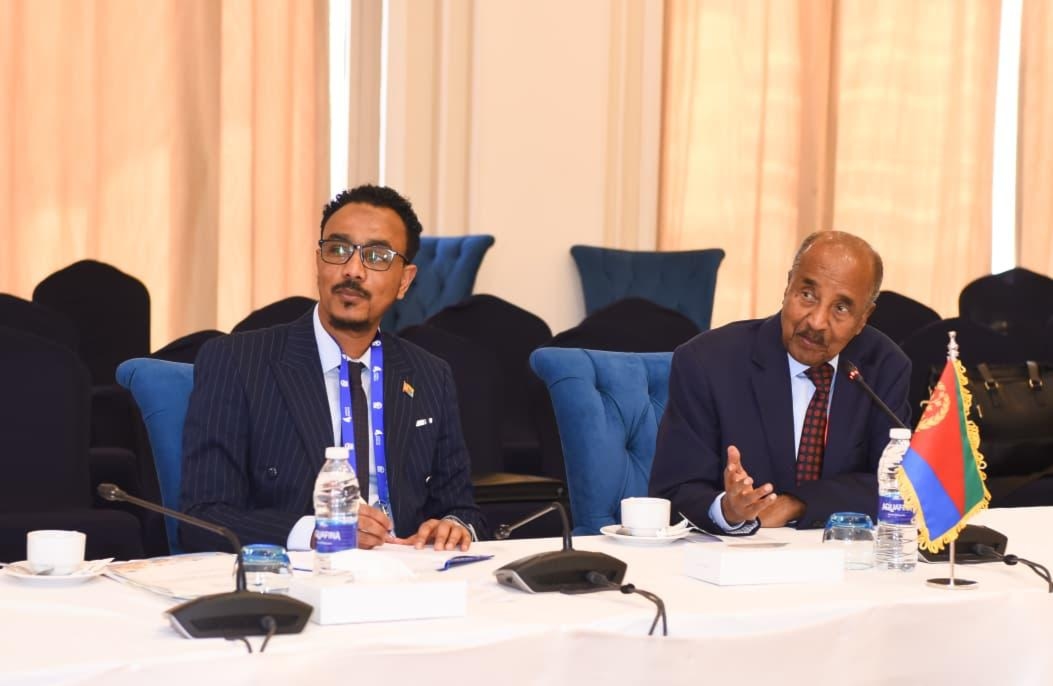
Earlier on Saturday, the same three ministers took part in a forum round table on Red Sea security and the Horn of Africa. Mr Abdelatty told it that the militarisation of the Red Sea and a growing foreign military presence raise tension and threaten shipping and trade, according to a separate ministry statement. The UN envoys for Sudan and the Horn of Africa, the AU’s representative for Silencing the Guns and the president of the International Crisis Group also took part.
Mr Abdelatty and Mr Salem also held bilateral talks and signed a memorandum on training and capacity building between the Egyptian Agency of Partnership for Development and Sudan’s foreign ministry.
What happens next?
The Aswan Forum closes on Sunday. Egypt is expected to share the content of the talks with Somalia, and the four governments have said they will keep co-ordinating through the mechanism set up at New Alamein. Neither Sudan’s nor Eritrea’s foreign ministry had published its own account of the meeting by Saturday evening.
FAQ
Who attended the Aswan meeting on Red Sea security?
Egypt’s Foreign Minister Badr Abdelatty, Sudan’s Foreign Minister Mohieldin Salem and Eritrea’s Foreign Minister Osman Saleh met on November 21st on the sidelines of the Aswan Forum.
What did the ministers say about Red Sea security?
They said responsibility for governing the Red Sea and protecting its security lies with the states on its shores, and stressed freedom of navigation through international shipping lanes, according to Egypt’s foreign ministry.
Did the ministers name any country?
No. The statement rejected unilateral measures on security and water and the arming of militias from abroad, without naming a country.
Why was Somalia not at the meeting?
Somalia was not present in Aswan, but Mr Abdelatty said he would brief the Somali side to keep up the four-way consultation launched at the New Alamein summit in October.


