
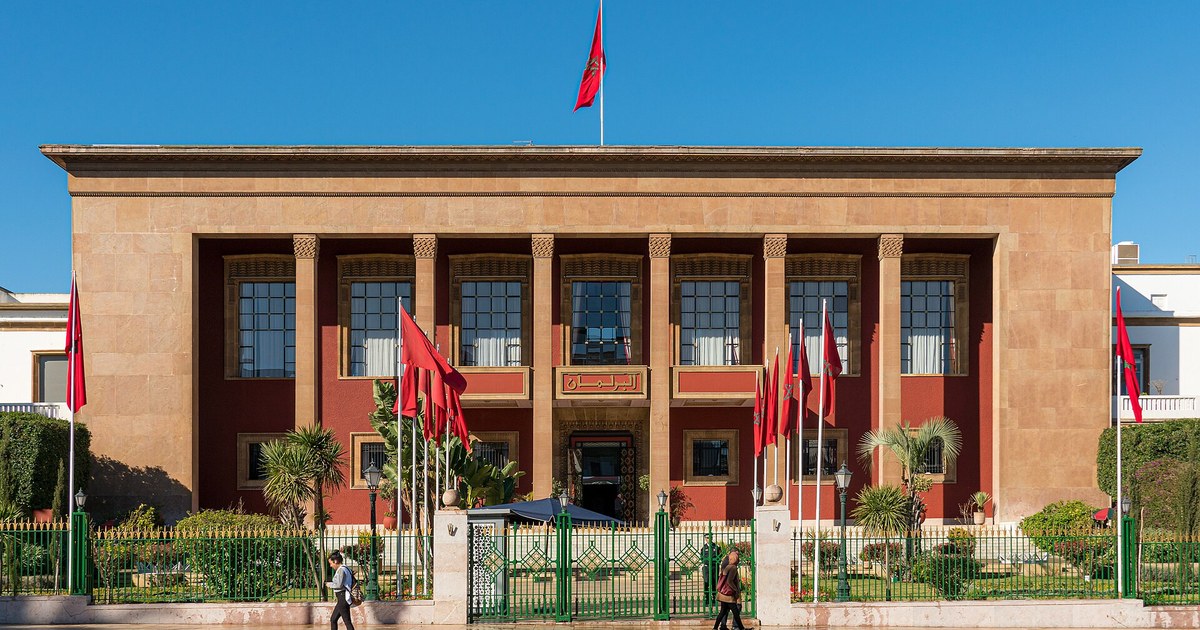

The Morocco AI ministry, created in October, plans to release the country’s first national open-source language model, adapted to Moroccan Arabic (Darija) and later Amazigh, a parliamentary committee report on its 2027 budget shows.
The plan puts language technology at the centre of Morocco AI policy, but the same report shows the ministry had committed only 6.31% of its 2026 credits by mid-October, raising questions about how fast it can spend.
What is in the Morocco AI ministry’s language model plan?
Ahmed Rahhou, minister of artificial intelligence, digital transformation and administrative reform, presented the ministry’s first budget to the interior committee of the House of Representatives on 10 November, Express TV reported. Rahhou, formerly head of the Competition Council, joined the government formed in October; a decree on 26 October gave him responsibility for national AI policy, Médias24 reported.
The committee’s written report, seen by the Arabic-language news site Hespress and reported on Monday, says Morocco expects to issue “the first open-source national language model”, with early trials to adapt a model to Darija, a Moroccan benchmark for evaluating models and a model to read Moroccan Arabic manuscripts. Quotes are translated from Arabic.
The work draws on national datasets that include about 300mn text tokens, 150 gigabytes of documents, 10,000 hours of transcribed Darija audio, the official gazette archive from 1913 to 2026 and about 90,000 legal texts, according to the report.
How does it build on earlier Morocco AI work?
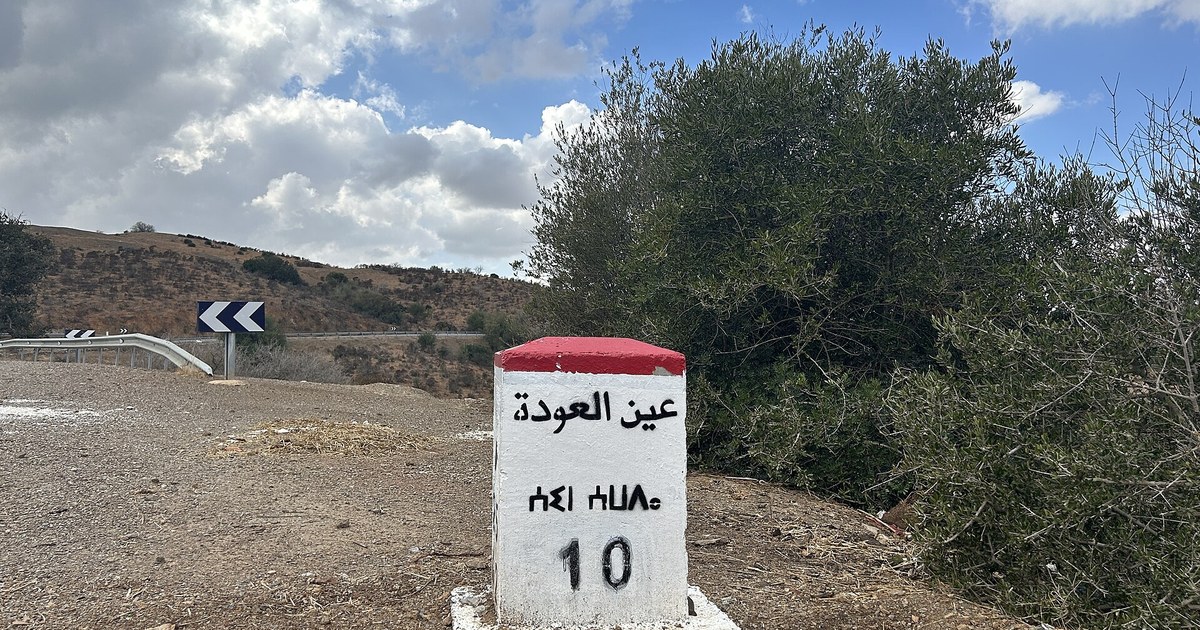
The ministry’s predecessor worked with the French company Mistral AI on open-source tools for Darija under the “Maroc IA 2030” roadmap, the government portal Maroc.ma said. The committee report says that partnership produced an open speech-recognition model.
For Morocco AI in public services, the ministry’s “Idarati” assistant, built on about 2,800 administrative procedures and analysis of some 10,000 legal texts, is to gain a voice version and an agent that follows a citizen’s request through to the result. Amazigh support will be added to a meeting assistant that already transcribes Darija. A legal assistant and a guide for entrepreneurs are also planned.
On Morocco AI infrastructure, the report lists the Al Jazari data centre, a “digital Igoudar” project in Dakhla, a computing platform with Core Nexus Systems targeting 36 megawatts, and two Oracle cloud regions worth about 1.4bn dirhams ($150mn), the first of them in Casablanca due to start operating in 2026. A “cloud first” policy for the administration will follow by circular.
Is Morocco AI spending on track?
Final credits opened for 2026 came to about 1.73bn dirhams ($186mn), but only 6.31%, about 108.9mn dirhams, had been committed by mid-October, the report shows. Investment commitments stood at 2.61%, which the ministry attributed to a 1.52bn-dirham transfer still awaiting approval from the budget directorate.
No release date for the language model was given. The ministry said it would track its sovereign AI platform by active users, task success rate, satisfaction, time saved and cost per operation. Morocco’s government has also recently revised telecoms policy, dropping a plan for a 40% tax on operators’ profits, while South Africa is pursuing its own AI investment push.
FAQ
What is Morocco’s national language model?
A planned open-source AI language model for Morocco, with versions adapted to Darija and support for Amazigh, according to the AI ministry’s 2027 budget presentation to parliament.
Who leads Morocco AI policy?
Ahmed Rahhou, minister of artificial intelligence, digital transformation and administrative reform, appointed in October 2026.
When will the model be released?
The ministry has not given a date.
How much of its 2026 budget has the ministry committed?
About 6.31% of 1.73bn dirhams by mid-October, according to the committee report, which cites a pending 1.52bn-dirham transfer.


