
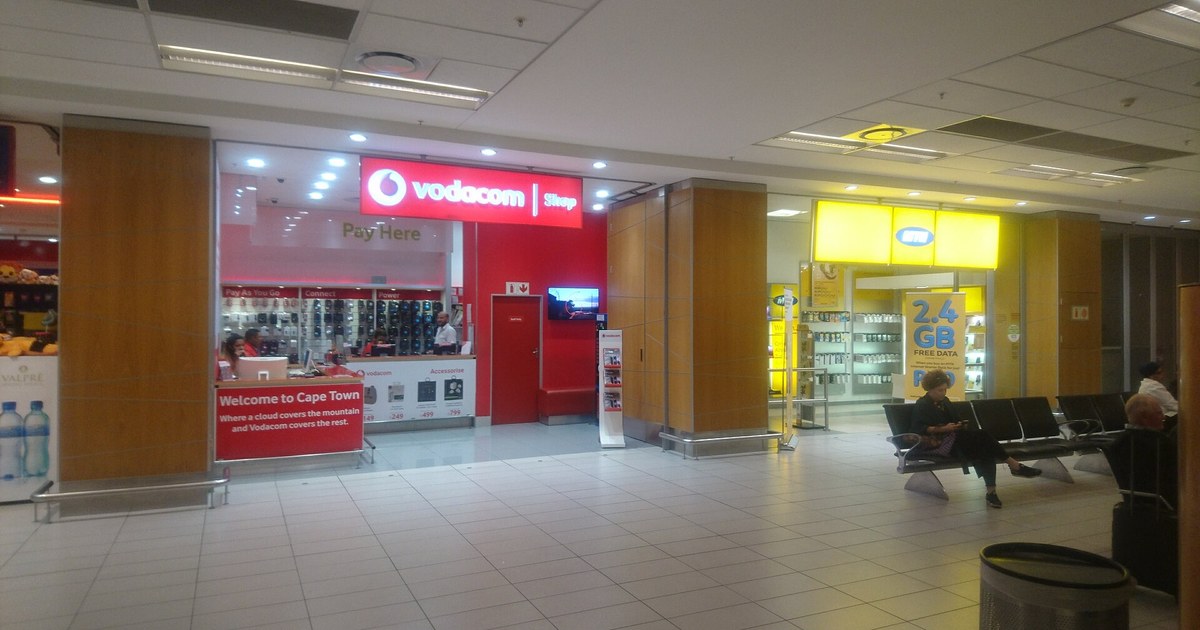

Median 5G speeds in South Africa fell 26.4% in two years, from 205.19Mbit/s in the third quarter of 2024 to 150.98Mbit/s in the third quarter of 2026, as more users moved onto the networks, speed-testing company Ookla said on Monday.
The fall in 5G speeds points to congestion on networks that operators have expanded quickly but not densified, and it comes as South African customers say they are less willing to recommend their providers. It also lands on the day MTN said it was in talks to buy rival Telkom.
Why are 5G speeds falling in South Africa?
In its report on South Africa’s telecoms market, Ookla said the drop in 5G speeds was “likely due to the load the growing number of 5G users put on the network”. Median 5G upload speeds also eased, from 16.66Mbit/s to 13.94Mbit/s, while latency rose slightly. Median 4G download speeds fell 11% to 32.70Mbit/s over the same period.
The figures come from tests that users run on Ookla’s Speedtest app and website, so they reflect the experience of people who choose to test their connections rather than a controlled network measurement.
Ookla said rollout had also suffered because operators diverted a large share of capital spending to keeping sites powered and secure during years of power cuts and theft of cables, diesel and batteries. That improved resilience but slowed the rollout of new base stations in rural areas and the densification of 5G sites.
If 5G speeds are down, why did mobile speeds rise overall?
The national median mobile download speed rose 6.5% to 55.71Mbit/s over the two years, because more users now spend most of their time on 5G, which Ookla measured at nearly five times the speed of 4G. The share of users with 5G phones who are mainly connected to 5G rose from 25.5% in 2023 to 43.9% in 2026 so far.
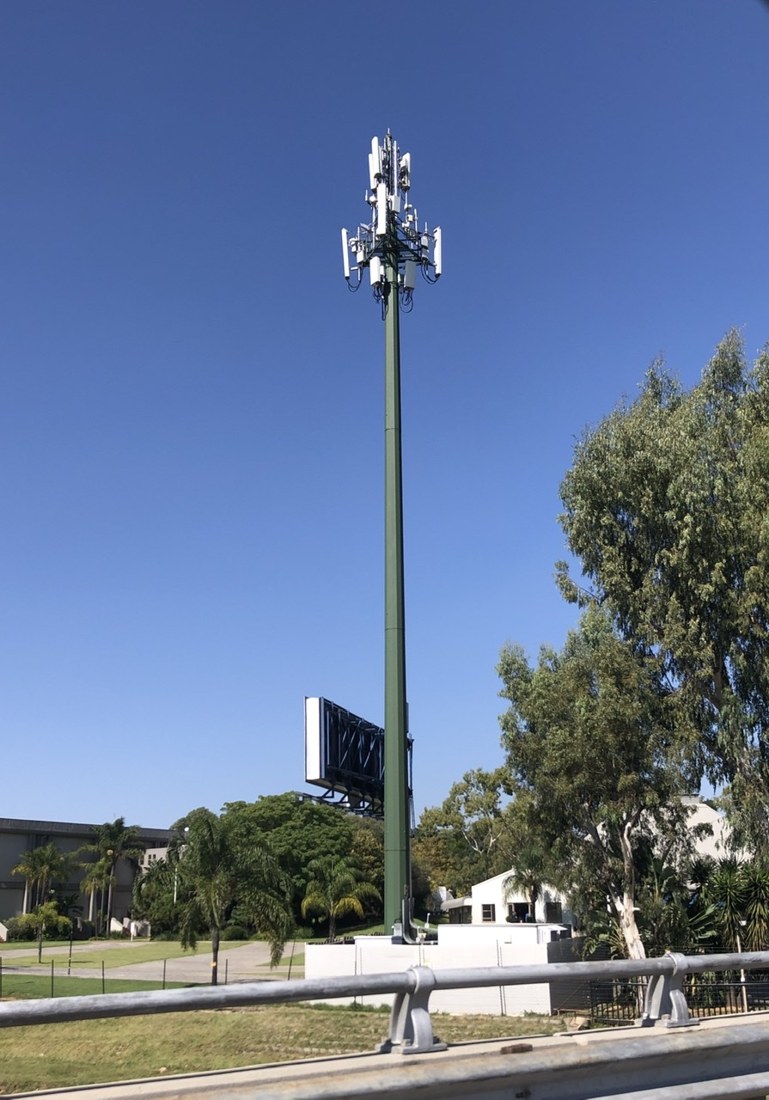
Ookla detected 5G at 47% of locations it scanned this year, up from 14.4% in 2023. Yet 5G accounted for only about 18% of mobile connections in the third quarter, according to GSMA Intelligence estimates cited in the report, against close to 80% for 4G.
In Ookla’s September global index, South Africa ranked 66th for mobile speeds, first in sub-Saharan Africa and second on the continent behind Algeria. For fixed broadband it ranked 116th, eighth in Africa, behind Egypt, Algeria, Côte d’Ivoire, Mauritius and Ghana. Egypt has held the continent’s fastest fixed internet title for five years running.
Where is the 5G gap widest?
Coverage remains concentrated in the cities. Data from the regulator, the Independent Communications Authority of South Africa (ICASA), cited by Ookla, puts 5G population coverage at 58% nationally in 2025, up from 38.4% in 2023. It ranges from 89% in the Western Cape to 30.7% in rural areas on average and 7% in the rural Eastern Cape. Outside the metros, overall mobile speeds were below 25Mbit/s in some regions.
Customers are less satisfied. Net promoter scores, which subtract the share of users unlikely to recommend a provider from the share likely to, fell from -15.2 to -23.9 for mobile operators and from -13 to -20.5 for fixed-line providers. “The priority should be to expand broadband infrastructure in underserved areas, improve service quality in urban areas, and introduce more affordable packages,” Ookla said.
What are operators doing about 5G speeds?
Vodacom said last week it had switched on 5G carrier aggregation across its network, combining several frequency bands into one wider channel to protect 5G speeds in busy areas, and that it was the first operator in the country to do so at scale, ITWeb reported. It did not publish expected speed gains, and only compatible handsets benefit. Vodacom’s latest results show rising debt as it invests, and the market may consolidate further after MTN’s approach to Telkom.
Fibre is growing faster than speeds. ICASA counted 3.01mn fibre subscriptions in September 2025, up 22%, but Ookla found the median fixed download speed edged up only from 47.75Mbit/s to 50.83Mbit/s, as many households buy cheaper, slower packages.
FAQ
How much have 5G speeds fallen in South Africa?
Median 5G download speeds fell 26.4%, from 205.19Mbit/s in the third quarter of 2024 to 150.98Mbit/s in the third quarter of 2026, according to Ookla.
Why are 5G speeds lower?
Ookla said the main reason was the extra load from a growing number of 5G users. Operators also spent heavily on backup power and security, slowing new site rollout.
How many South Africans use 5G?
About 18% of mobile connections were 5G in the third quarter of 2026, according to GSMA Intelligence estimates cited by Ookla.
How does South Africa rank for mobile internet?
It ranked 66th in the world in Ookla’s September index, first in sub-Saharan Africa and second in Africa after Algeria.


