
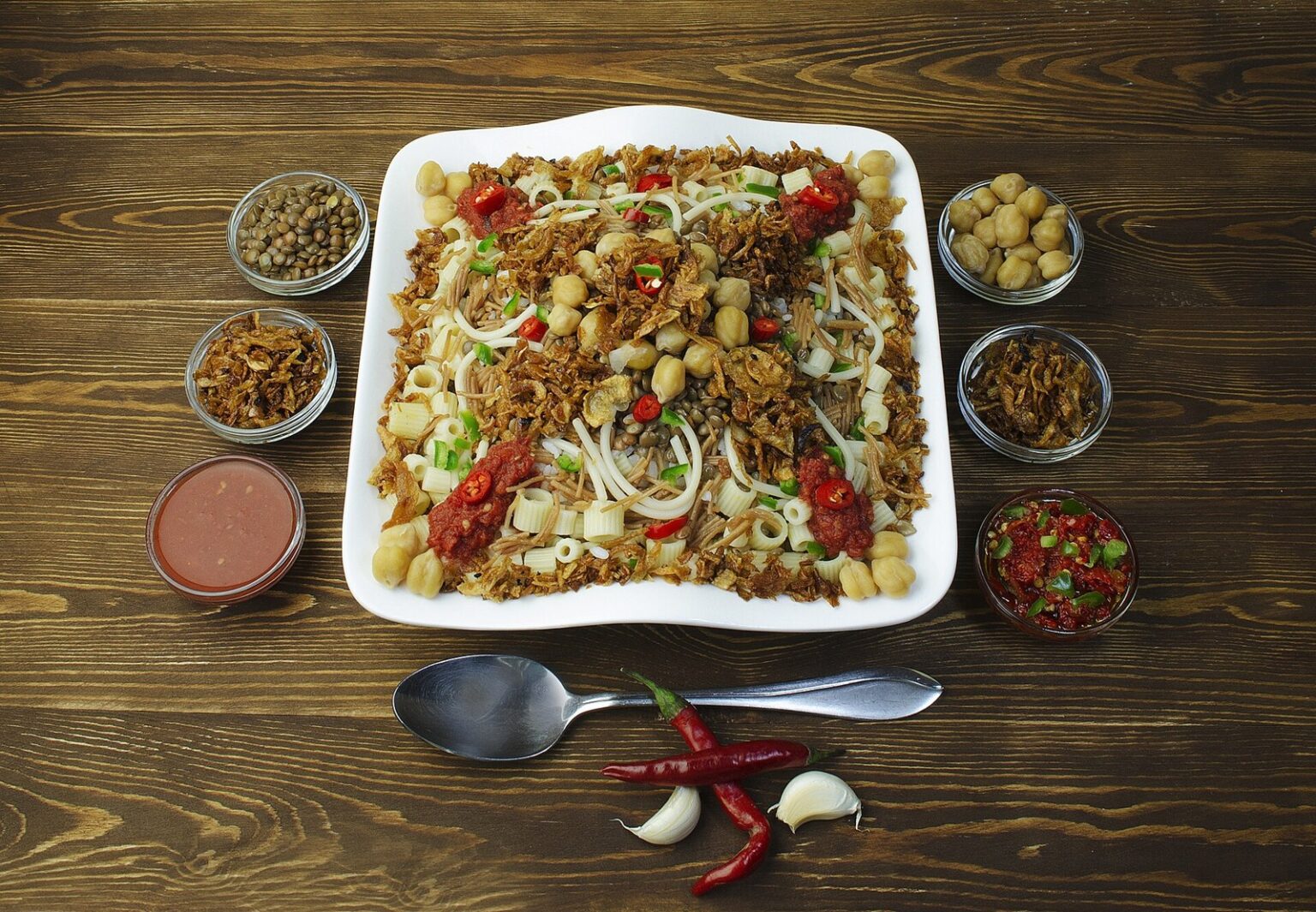

Koshary, the Egyptian dish of rice, pasta and black lentils topped with fried onions, was inscribed on UNESCO’s Representative List of the Intangible Cultural Heritage of Humanity on 10 December 2025, the first Egyptian food to be listed.
The listing covers more than a recipe. UNESCO’s entry describes a daily habit that feeds people across Egypt at low cost and gives work to cooks, street vendors, farmers and the craftspeople who build the carts it is sold from. Almost a year on, it is still the only dish among Egypt’s 11 entries on the UN cultural agency’s heritage lists.
What is koshary?
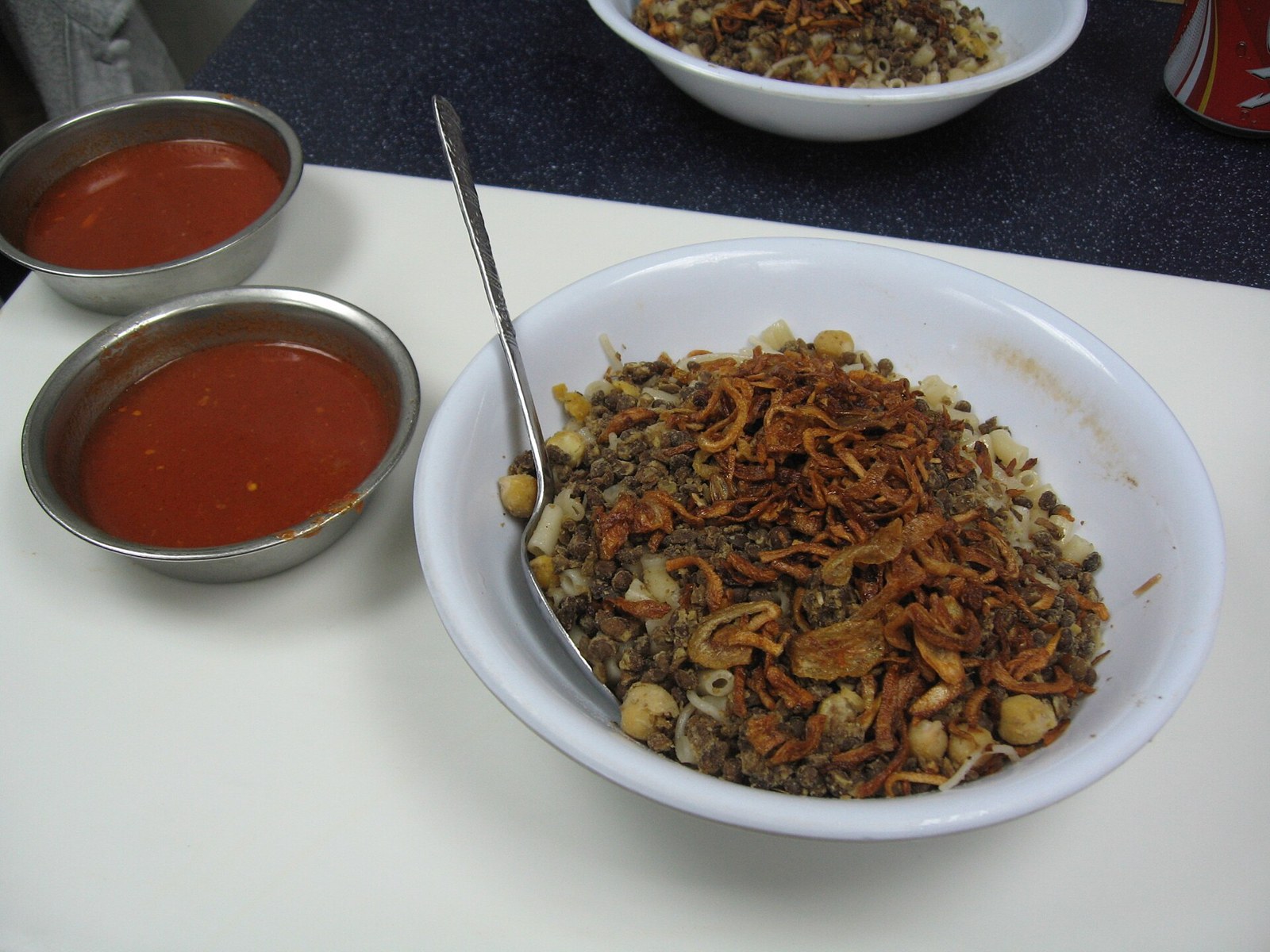
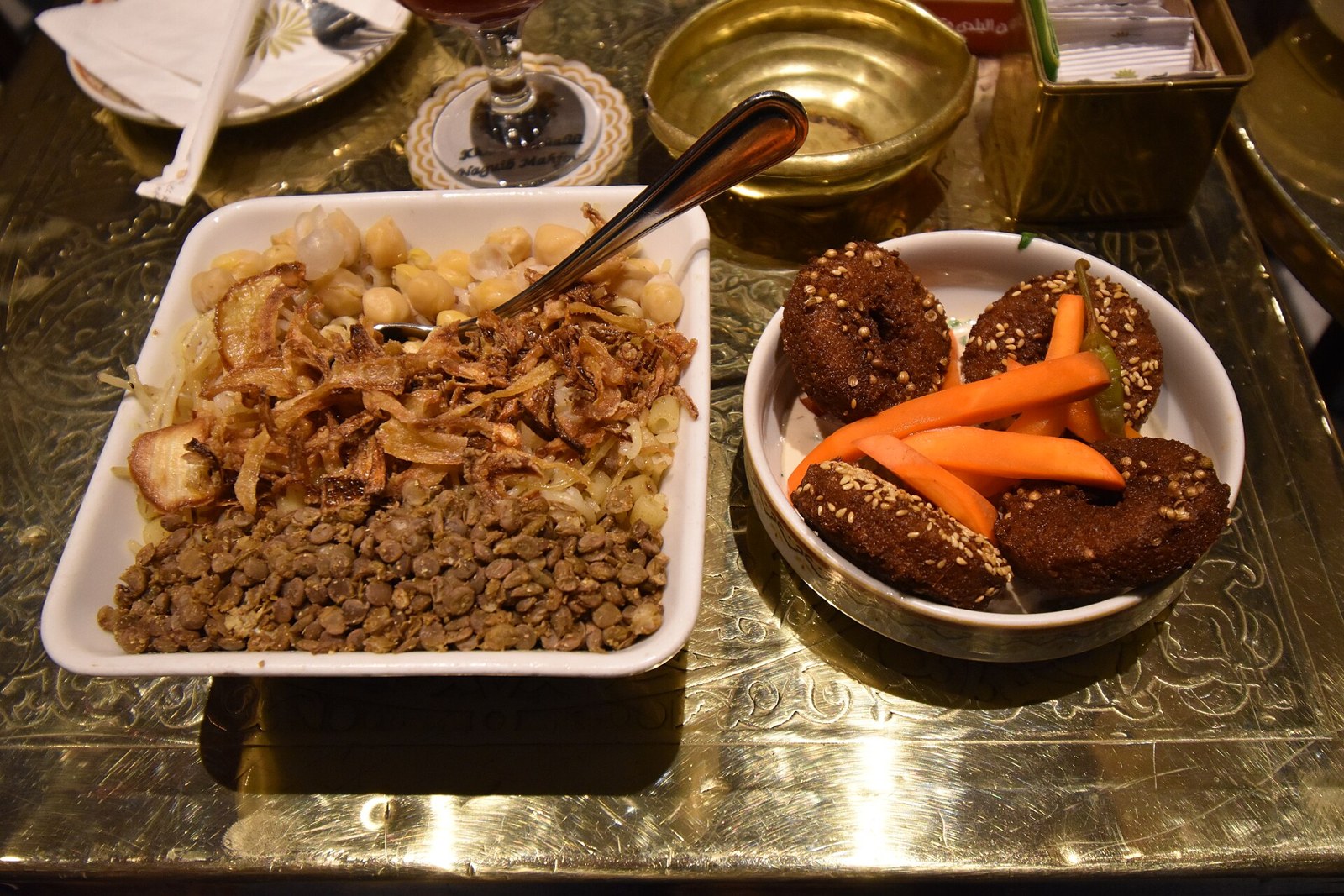
The UNESCO entry describes koshary as a filling, budget-friendly meal made from “simple, affordable ingredients”: rice, pasta, black lentils and fried onions. Diners add vinegar, garlic and hot sauce to taste. The basic recipe is the same across the country, though the entry notes regional variations.
Egyptians cook koshary at home and buy it from restaurants and street carts, which tend to set up near schools and busy areas. According to UNESCO it is eaten by people of all ages and backgrounds in rural, urban and coastal communities. Dessert shops near koshary sellers often serve rice pudding to finish the meal.
The dish contains no meat or dairy. That has made it a staple for Coptic Christians during fasting periods and for younger Egyptians who are turning vegetarian, Reuters reported when the listing was announced.
Where does koshary come from?
Accounts differ, and none is settled. Egypt’s nomination file said the dish has historical roots, citing depictions on temples and remains of its ingredients found in Pharaonic tombs, according to the culture ministry’s summary reported by Daily News Egypt.
A popular legend, recounted by Reuters, holds that a rice-and-lentil dish reached Egypt from northern India with soldiers in the 19th century and that Egyptians adapted it. What is better documented is the dish’s spread in the 20th century, when restaurants and brightly decorated carts multiplied near schools and railway stations.
UNESCO’s listing does not rule on origins. Nahla Emam, a professor of folk customs who worked on the file, told Al-Ahram Weekly in July that a nomination is meant to explain a practice’s cultural and social significance, without “a lengthy historical account”.
Why did UNESCO list koshary as heritage?
The committee’s decision, taken at its session in New Delhi, rests on how the dish is shared. Koshary is offered to neighbours and friends, served at family gatherings and at national events, including receptions at Egyptian embassies. The skills pass informally within families, “especially from mothers to daughters”, and through cooking shows, social media and culinary schools.
The committee also noted the income koshary provides to street vendors and restaurants of every size. It found the practice “vital” and not under threat. The tradition had been on a national inventory, kept by the Egyptian Society for Folk Traditions, since 2017.
The idea came from the trade. Emam told Al-Ahram Weekly that a well-known koshary restaurant first proposed the nomination and that other owners helped to prepare it. The team behind the file included scientists, restaurant owners, television cooks and housewives, the UNESCO decision says.
Ahmed Fouad Hanno, Egypt’s culture minister, said at the time that koshary was “the first Egyptian dish to be registered” and that more social and cultural practices would follow.
What else has Egypt put on the list?
Egypt’s entries began in 2008 with the Al-Sirah Al-Hilaliyyah epic, according to the State Information Service. They now include tahteeb, a stick game; Arabic calligraphy; metal engraving; henna; and the semsemiah, a stringed instrument. Aragoz hand puppetry and handmade weaving in Upper Egypt are on a separate list of traditions in need of urgent safeguarding.
Several were filed jointly with other Arab countries, the route Egypt has used to stay on the list in years when it could not submit a file of its own. UNESCO now allows each country one national nomination every two years, Emam said.
The next candidate is the oud. A joint Arab nomination for the instrument, submitted by Egypt and other countries, is due before the committee when it meets in China in December, she said. Heritage listings elsewhere on the continent this year include Tunisia’s Sidi Bou Said on the World Heritage list, and Egypt has discussed museum co-operation with Chad.
Emam said the koshary file had already drawn interest from abroad. “Many people expressed a desire to visit Egypt to try it in its country of origin,” she told the weekly.
FAQ
What is koshary made of?
Rice, pasta, black lentils and fried onions, according to UNESCO. Vinegar, garlic and hot sauce are added to taste.
When did UNESCO recognise koshary?
On 10 December 2025, at the Intergovernmental Committee’s session in New Delhi. It was Egypt’s 11th entry on UNESCO’s intangible heritage lists and its first dish.
Is koshary vegetarian?
Yes. The dish contains no meat or dairy, which is one reason it is widely eaten during Coptic Christian fasts.
Where do Egyptians eat koshary?
At home, in restaurants and from street carts, often near schools and busy areas. It is also served at family gatherings and national events.


