
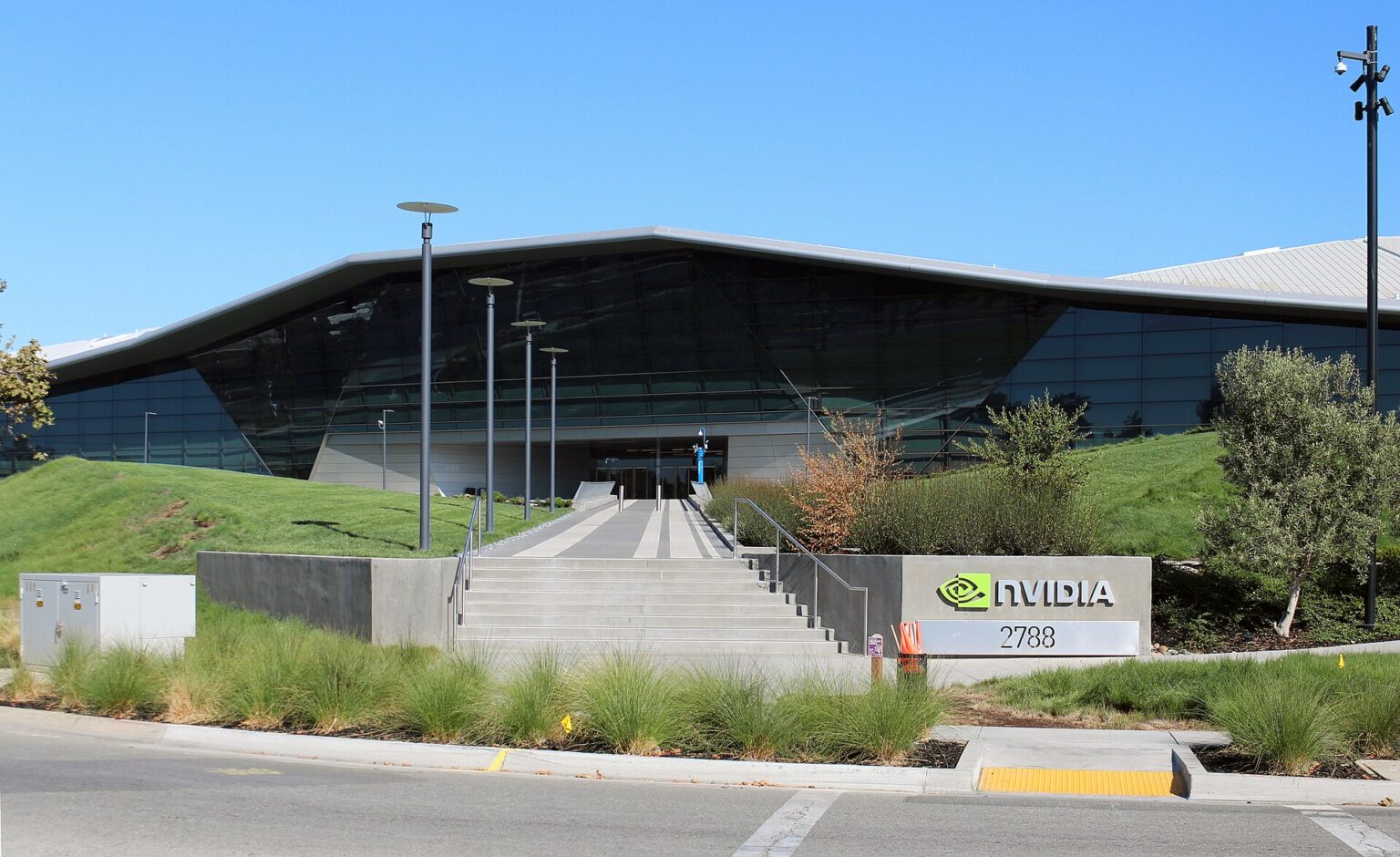

Jensen Huang resigned as chief executive of Nvidia on Thursday 12 November, leaving African data centre operators that depend on the US chipmaker’s processors and capital waiting to see whether its strategy for the continent changes.
The question matters most for Cassava Technologies, the group founded by Zimbabwean businessman Strive Masiyiwa, which counts Nvidia as both supplier and shareholder. Its plan to deploy 12,000 Nvidia graphics processing units (GPUs) across five African countries could cost up to $720mn. Neither company has said anything will change.
What did Nvidia announce about Jensen Huang?
Nvidia’s board said in a statement that Jensen Huang had resigned as president, chief executive and director with immediate effect. Colette Kress, chief financial officer since 2013, becomes interim chief executive and keeps her finance role while the board searches for a successor.
Harvey Jones, the board’s chair, said the company expected its “operations, customer commitments and product roadmap to continue without interruption”. Kress said she was committed to building on what Jensen Huang had created over 33 years.
The statement gave no reason for the departure. US media had reported in the preceding days that the board was examining Huang’s personal conduct; Nvidia’s announcement did not address those reports. The company is due to publish quarterly results on 17 November, TechCentral reported.
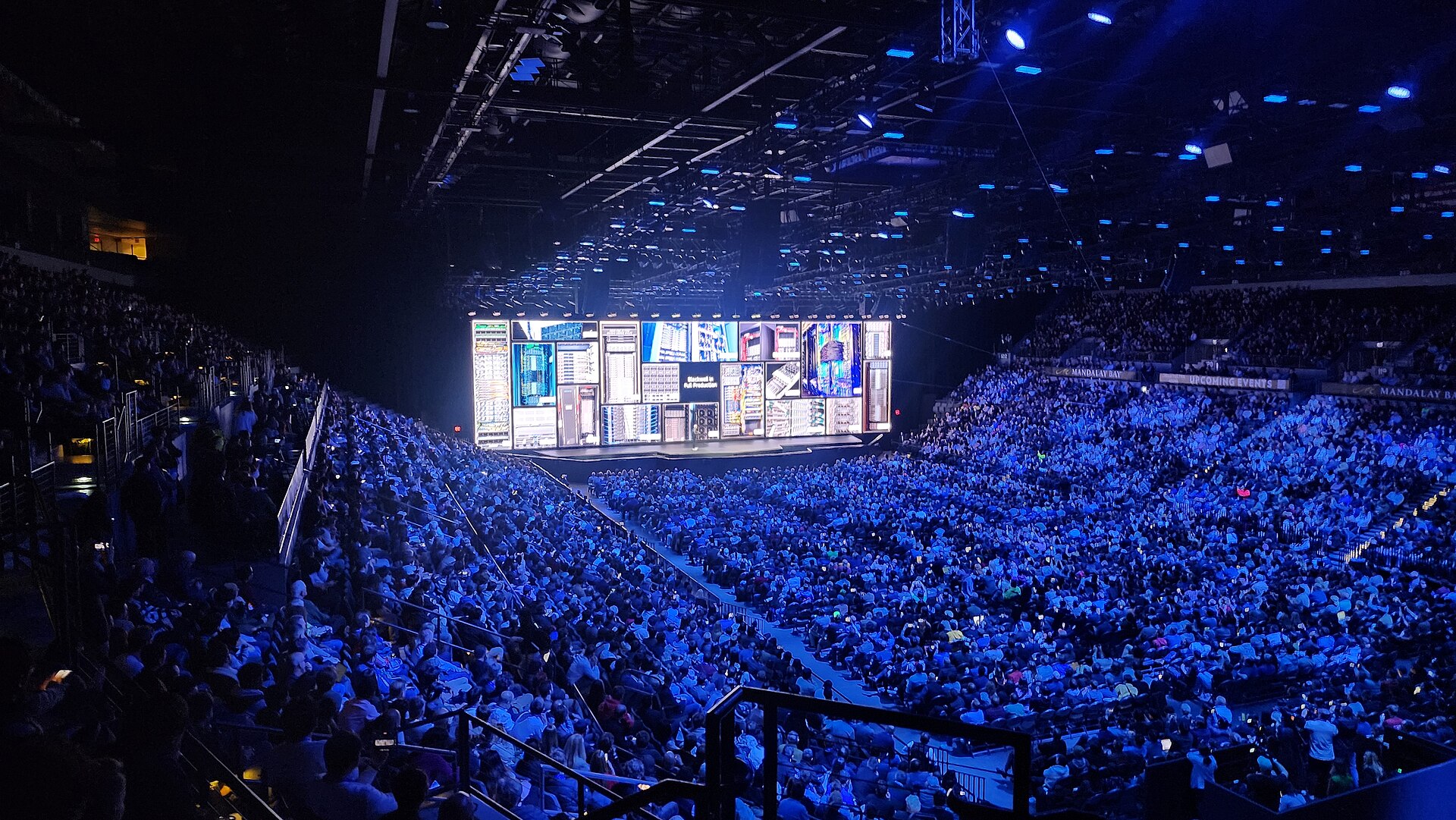
Why does Jensen Huang’s exit matter for Africa?
Training and running artificial intelligence models requires large clusters of GPUs, and Nvidia dominates their supply. Africa has little of this computing capacity, so companies there mostly rent it from data centres abroad.
Cassava is trying to change that. It announced in 2025 that it would build what it called Africa’s first “AI factory” with Nvidia hardware. Its first cluster is running in Cape Town, and Egypt, Kenya, Nigeria and Morocco are part of the expansion plan, according to TechCabal. Cassava disclosed in October 2025 that Nvidia had taken an equity stake, without giving its size.
Other projects rely on the same supplier. South Africa’s Altron said its Nvidia-powered facility went live in October 2025 with five customers, among them Lelapa AI, which builds speech tools for languages such as isiZulu and Sesotho. A consortium including Nvidia and South Korea’s Naver plans a data centre near Casablanca of up to 500 megawatts, partly to serve European customers, TechCabal reported.
Huang had personally made the case for the continent. Three weeks before he left, he told Yahoo Finance at a company conference in Berlin: “There’s a reason why we’re in Africa.”
What could change for African operators?
Nothing has changed yet, and any shift is speculation at this stage. Nvidia’s board has said customer commitments stand. Cassava had not commented publicly on the departure by Friday afternoon.
The exposure is specific, though. African operators need two things from Nvidia that a new chief executive could revisit: timely allocations of its newest chips, for which demand from US and Gulf buyers far exceeds supply, and its willingness to take equity stakes in regional partners. TechCabal noted that if Nvidia became more selective, operators would have to lean more on outside financing or sign large customers before expanding.
The economics were difficult before Jensen Huang left. Operators must cover power costs and find enough local demand to fill expensive capacity, while hardware and software remain in the hands of US suppliers. Governments are pushing for more computing capacity on African soil regardless, as DNE Africa has reported on Ghana’s call for an AI compute centre and plans for a South Africa-China AI talent centre.
What happens next?
The results on 17 November will be the first public test for Kress and may bring questions about overseas partnerships. The board has said it will consider internal and external candidates for the permanent job, and has set no timetable.
FAQ
Why did Jensen Huang resign from Nvidia?
Nvidia’s statement gave no reason. It said he resigned as president, chief executive and director with immediate effect on 12 November 2026.
Who is running Nvidia now?
Colette Kress, the chief financial officer since 2013, is interim chief executive while the board searches for a permanent successor.
What is Nvidia’s role in Africa?
Nvidia supplies the processors for AI data centres run by Cassava Technologies and Altron, and holds a stake of undisclosed size in Cassava.
Will Jensen Huang’s departure affect Cassava’s AI factory plan?
Neither company has announced any change. Nvidia’s board said customer commitments would continue without interruption.


