
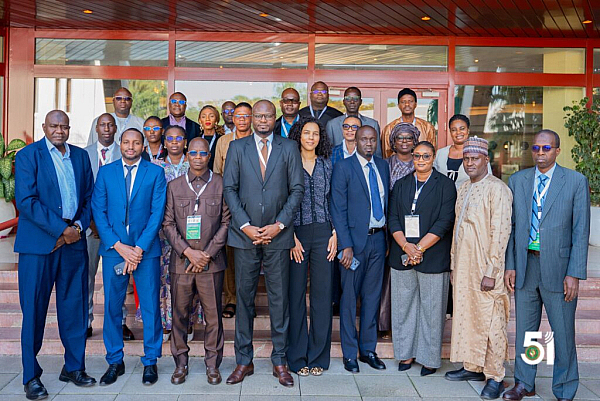

ECOWAS and the World Bank began a five-day review of the $160mn RAISE project in Abuja on Monday, as they prepare to connect 202,000 households to electricity in Togo and The Gambia.
The implementation support mission runs from 16 to 20 November, according to a statement from the ECOWAS Commission. It is the first such review since the project became effective on 29 October, and it matters because West Africa remains one of the least electrified regions in the world, a gap that holds back jobs, farming and small business.
What is the RAISE project?
The Regional Access Increase and Sustainable Energy project was approved by the World Bank on 24 June. It is implemented with ECOWAS and forms part of the bank’s wider West Africa Regional Electricity Market Program.
The RAISE project targets electricity for 1,800 localities, 202,000 household connections and 242 megawatts of renewable generation capacity, the ECOWAS statement said. The World Bank said it expects the scheme to connect about 1mn people and to generate labour income equivalent to about 11,700 jobs a year over time, 9,200 of them in Togo and 2,500 in The Gambia.
ECOWAS and the World Bank signed a separate $10mn grant agreement in July to pay for regional coordination and implementation, according to the commission.
Why do Togo and The Gambia need more power?
The World Bank said high generation costs, limited infrastructure and affordability problems had slowed electrification in both countries, particularly in rural and peri-urban areas. The project is designed to extend and densify distribution networks, lower connection costs and speed up renewable energy, reducing reliance on costly diesel generators.
“This project tackles the core barriers to electricity access, i.e. affordability, limited infrastructure, and weak sector capacity,” said Franz Drees-Gross, the World Bank’s regional director for infrastructure, when the financing was approved.
The bank also links the RAISE project to Mission 300, its effort with the African Development Bank to connect 300mn people in Africa to electricity. Regional cooperation has already produced more than 4,000km of transmission lines linking 14 West African countries, it said. A World Bank Group vice president visited Togo and Niger this week, and donors have backed the ECOWAS renewable energy centre.
What did officials say at the Abuja meeting?
Amin Amidu, the ECOWAS commissioner for infrastructure, energy and digitalisation, who took office on 1 September, described electricity access as one of the region’s main development challenges and said limited resources continued to constrain efforts to close the deficit, the commission said.
Arkadius Koumoin, director of the ECOWAS Directorate of Energy and Mines, said the absence of electricity in many rural communities remained a significant barrier to livelihoods and growth.
Ebrima Bah, the World Bank’s task team leader for the RAISE project, said implementation could be completed within three to four years at most, according to the statement.
What happens next for the RAISE project?
The mission will review the 2027 work plan and budget, environmental and social safeguards, regional and national procurement in Togo and The Gambia, and financial management. Its findings will shape the first year of construction work on the ground.
FAQ
How much is the RAISE project worth?
The World Bank approved $160mn for the RAISE project in June 2026. ECOWAS also signed a $10mn grant agreement with the bank in July for regional coordination.
Which countries benefit from the RAISE project?
Togo and The Gambia. ECOWAS coordinates the project at regional level.
How many people will get electricity?
The World Bank expects about 1mn people to be connected. ECOWAS said the target is 202,000 household connections across 1,800 localities.
When will the project be finished?
The World Bank’s task team leader said implementation could take three to four years at most. The project became effective on 29 October 2026.


