
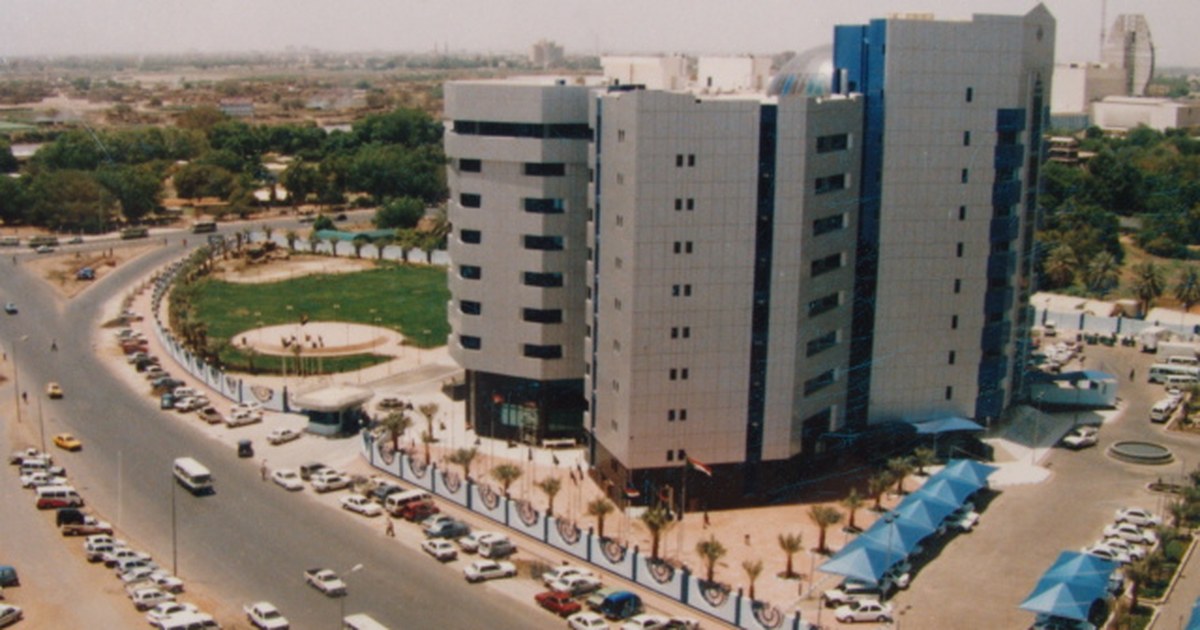

The Sudan central bank has ordered banks to freeze the accounts of dozens of companies and individuals, including some state-owned firms, at the request of prosecutors investigating suspected money laundering, Sudan Tribune reported.
The move widens the government’s campaign to control the flow of money in a wartime economy where the pound has lost most of its value, gold is smuggled abroad and much trade runs outside the banks.
What did the Sudan central bank order?
The Central Bank of Sudan sent two letters, dated 15 and 16 November, to the general managers of banks operating in the country, each with lists of accounts to be frozen, according to Sudan Tribune’s Arabic edition, which reported the letters on 17 November. The orders were based on requests from the Public Prosecution and the Anti-Money Laundering and Terrorism Financing Prosecution, the newspaper said.
The lists cover companies, commercial establishments and individuals working in gold and jewellery, import and export, petroleum, solar energy, telecommunications and engineering, the report said. Sudan Tribune did not publish the names, and the Sudan central bank has not made a public statement on the orders.
A prosecution source told the newspaper the freezes followed criminal complaints and investigations under the laws on money laundering, terrorism financing and arms financing, and were meant to protect the national economy. Banking sources cited suspected illicit enrichment, pointing to large sums and repeated transfers through the accounts. Those named will be questioned about the origin of their funds, the report said. No one named in the lists has been charged in court.
Why is the Sudan central bank tightening controls now?
The freezes follow months of new rules. On 30 April the Sudan central bank issued circular No. 8/2026, setting new controls against money laundering, terrorism financing and the financing of weapons proliferation, based on a 2026 banking law and the 2014 anti-money laundering act, Sudan Tribune reported. In August it told banks to update customer records and classify accounts, a deadline later extended to the end of the year. The bank’s anti-money laundering page lists the laws and circulars that banks must apply.
The pressure on the currency is the backdrop. Sudan raised the customs dollar rate by 16% this week, with the pound trading near 11,000 to the dollar on the parallel market. Gold, Sudan’s main export, is a particular concern: the government said last week it would form a joint force to fight gold smuggling and illegal mining.
Has Sudan done this before?
Yes. In December 2017 the central bank ordered banks to freeze the assets of dozens of people and companies charged by the State Security Prosecution with trading currency outside official channels, Radio Dabanga reported at the time. That campaign also cited money laundering and terrorism financing.
The difference now is scale and context. Since war broke out between the army and the Rapid Support Forces in April 2023, the government has moved its administration to Port Sudan, and the banking system has been badly disrupted, pushing more trade into cash and informal transfers.
What happens next?
Prosecutors are expected to summon account holders to explain their funds, and banks must report the frozen balances. The inclusion of state companies suggests the investigation reaches beyond private traders; whether the Sudan central bank publishes the lists, or the cases reach court, will show how far it goes.
FAQ
Why did the Sudan central bank freeze accounts?
It acted on requests from Sudan’s Public Prosecution and its anti-money laundering prosecution, which are investigating suspected money laundering and illicit enrichment, according to Sudan Tribune.
Which sectors are affected?
Companies and individuals in gold and jewellery, import and export, petroleum, solar energy, telecommunications and engineering, the report said.
Are government companies included?
Yes. Sudan Tribune said some state-owned companies were on the lists sent to banks on 15 and 16 November 2026.
Have the names been published?
No. The Sudan central bank has not published the lists, and no one named has been charged in court.


